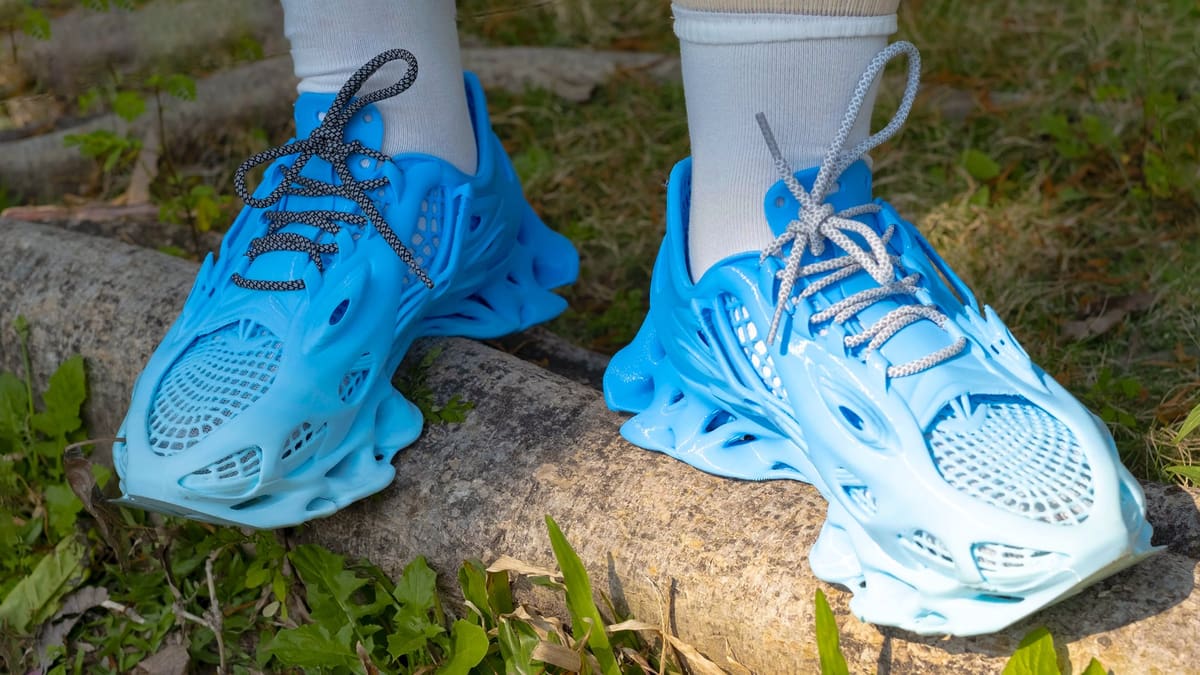
TPU 3D Prints: 30 Useful Designs Only Possible with Flexible Materials

Ready to make your own flexible TPU prints? Check out our list of cool things you can 3D print with TPU and other flexible filaments!
Not so long ago, flexible filament was considered the ultimate challenge in desktop FDM printing. Clogged nozzles, extruder jams, and wasted material were common when printing with flexible materials. With the latest generation of 3D printers featuring excellent direct-drive extruders, printing TPU and other thermoplastic materials (TPE) has become way more accessible.
This means we are seeing a massive trend toward functional applications, such as shoes and slippers, or airless balls and tires, which took the file repositories by storm, as well as custom-fit household gaskets, ergonomic grips, and even orthopedic aids.
In this article, we present a range of models that use the potential of flexible filament. If you’re new to TPU, scroll down to the end for some printer settings and handy tips.

+ Shoes
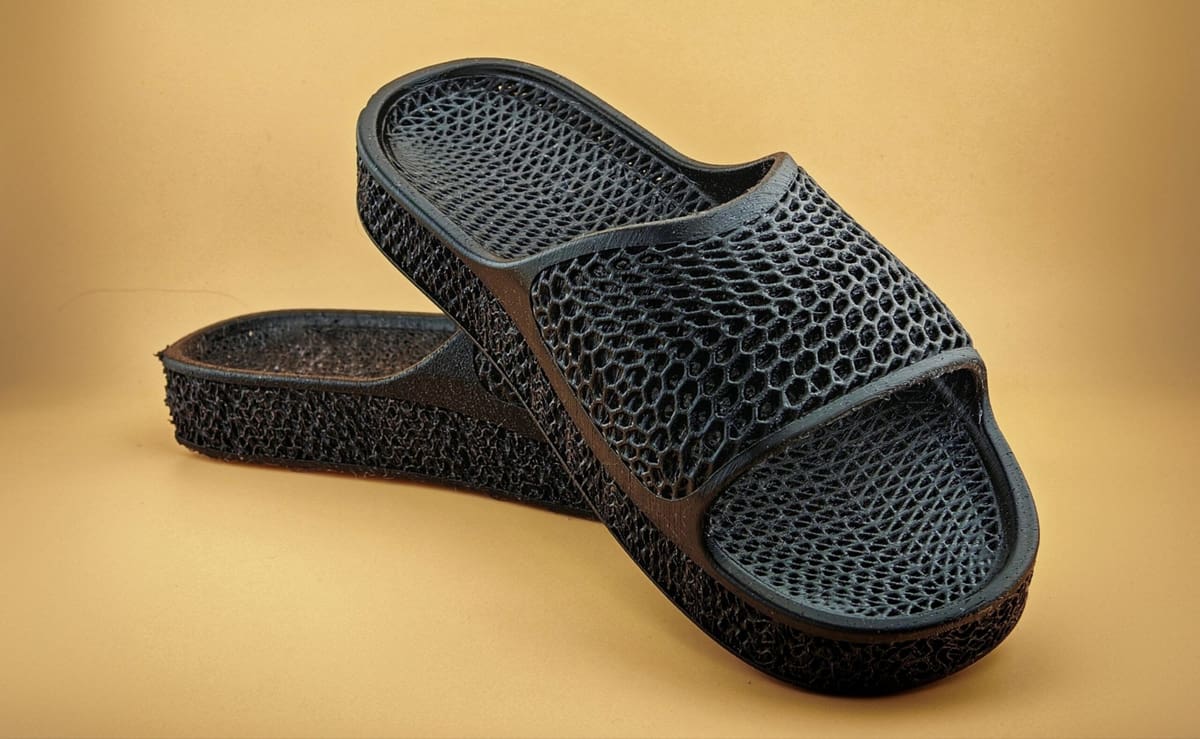
3D printed footwear has evolved from uncomfortable prototypes into stylish, breathable sneakers and slides. These may not yet rival commercial brands, but here at All3DP, we wear ours around the office. By leveraging flexible TPU and clever lattice geometries, makers can now create shoes that offer genuine cushioning and support without the need for foam or glue.
Before you start the days of printing shoes take, test print a quick pare in PLA to measure for “approximate” size and make sure you like the styling.
3D printing the popular Crocs shoes may be a fun way to put your printer to the test and compare them to the original, but one thing to keep in mind when printing shoes is that some designs, such as Crocs and Air Jordans, are the patented intellectual property of their respective companies. There’s no legal cases that we can find of companies like Nike, Adidas, Crocks, or Birkenstock going after individual makers for downloading an STL printing out a pair, but we’re not going to feature branded shoes here.
Whaleberry Sport Shoes
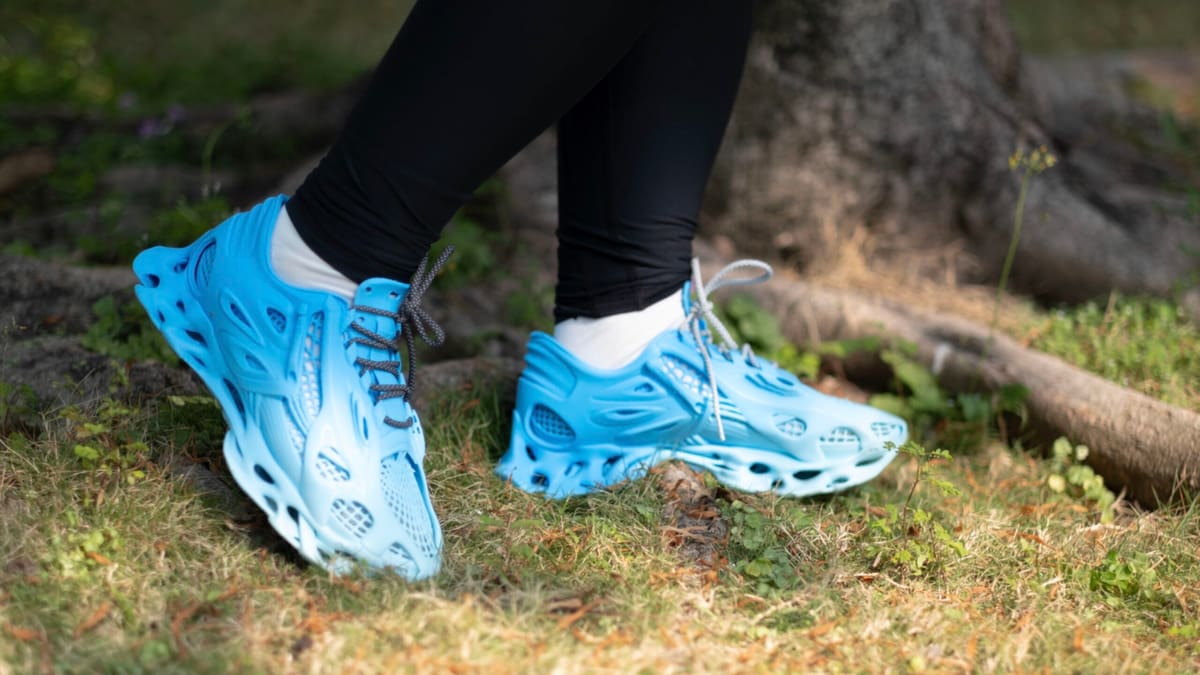
If you’re looking for a shoe that balances sports aesthetics with everyday wearability, the “Whaleberry” is a good choice. Designed with a striking, generative thick sole and a streamlined upper inspired by marine forms, this slip-on shoe is sure to be a conversation starter.
Unlike simpler models, the Whaleberry is engineered for actual walking comfort, featuring a sole structure that effectively absorbs impact. It’s great for casual urban use. The designer has even included a nifty feature for customization: you can easily insert your own vector graphics (SVG) into the model using Bambu Studio to add a signature or logo directly onto the shoe.
The designer recommends TPU 90A for flexibility and structure, specifically Bambu Lab’s “Frozen” or “Blaze” for a nice gradient effect. Be prepared for a long print time – around 80 hours per pair – so ensure your filament is dry and your bed adhesion is solid.
- Who designed it? CloudBerry
- How printable/popular is it? It’s a massive hit on MakerWorld, with over 20,000 likes and 12,000 downloads, proving that complex footwear can be printed at home.
- Where to find it? MakerWorld
Bambu Lab Presq Fig.(0)
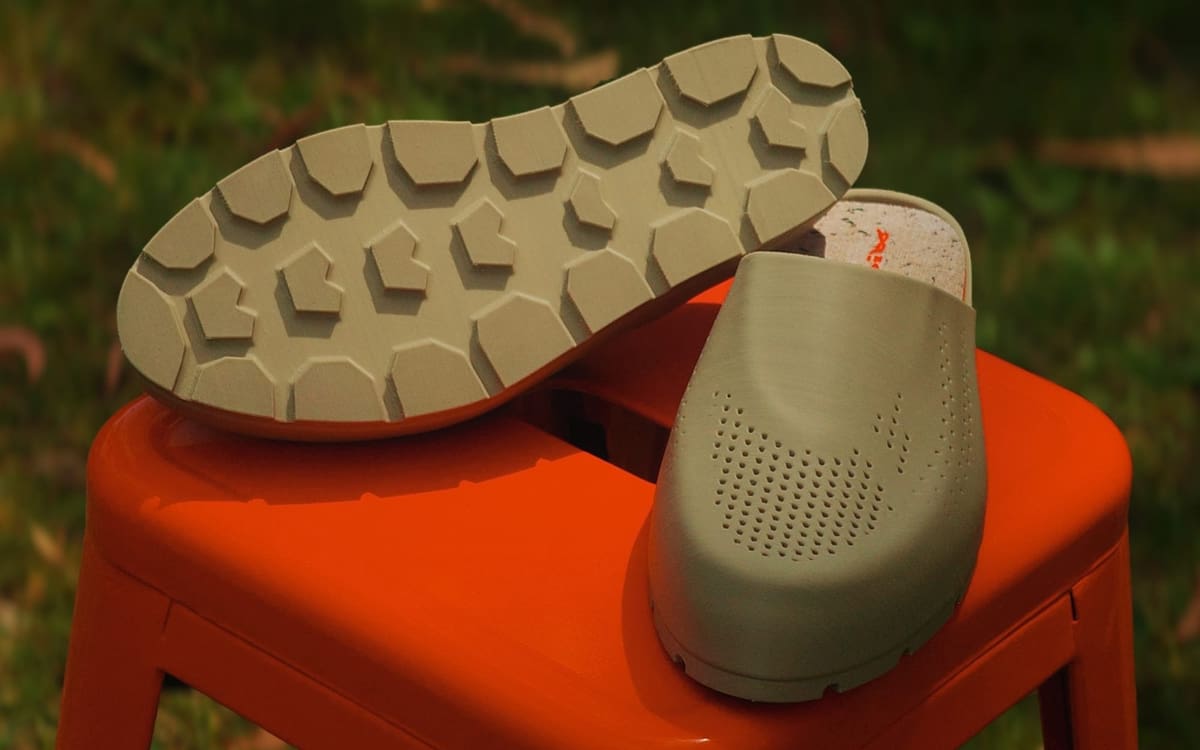
Fig.(0) is an open-source footwear design released through a collaboration between Bambu Lab and Los Angeles–based design-tech studio Presq, aimed at making 3D-printed shoes accessible, customizable, and wearable for the broader maker community. The initial release includes ready-to-print files for a U.S. men’s size 10 along with a scaling coefficient table to adjust for other sizes, a pre-sliced .3mf file optimized for Bambu H2D printers using matte TPE 85A and PLA support material for a clean and functional finish, and the full CAD model that invites creators to remix and adapt the design with modular attachments, textures, and performance tweaks.
Every month, Presq will release a new design drop with fresh styles you can explore, print, and make your own.
Rather than keeping 3D printed footwear proprietary and closed, Bambu Lab and Presq explicitly designed Fig.(0) as a platform for experimentation and creative expression, giving designers, makers, and innovators practical tools to print their own shoes and tailor them to personal preferences. The collaboration signals a new direction in which digital fabrication and culturally resonant design converge, and it’s just the first of monthly open-source design drops intended to broaden participation in the future of footwear making.
Bambu Lab also has shoe collaborations with Formism
- Who designed it? Presq (and you)
- How printable/popular is it? With a full guide to scaling the shoe to your size, this is the first shoe everyone interested in printing shoes should try.
- Where to find it? MakerWorld
CityStep Casual Sneaker
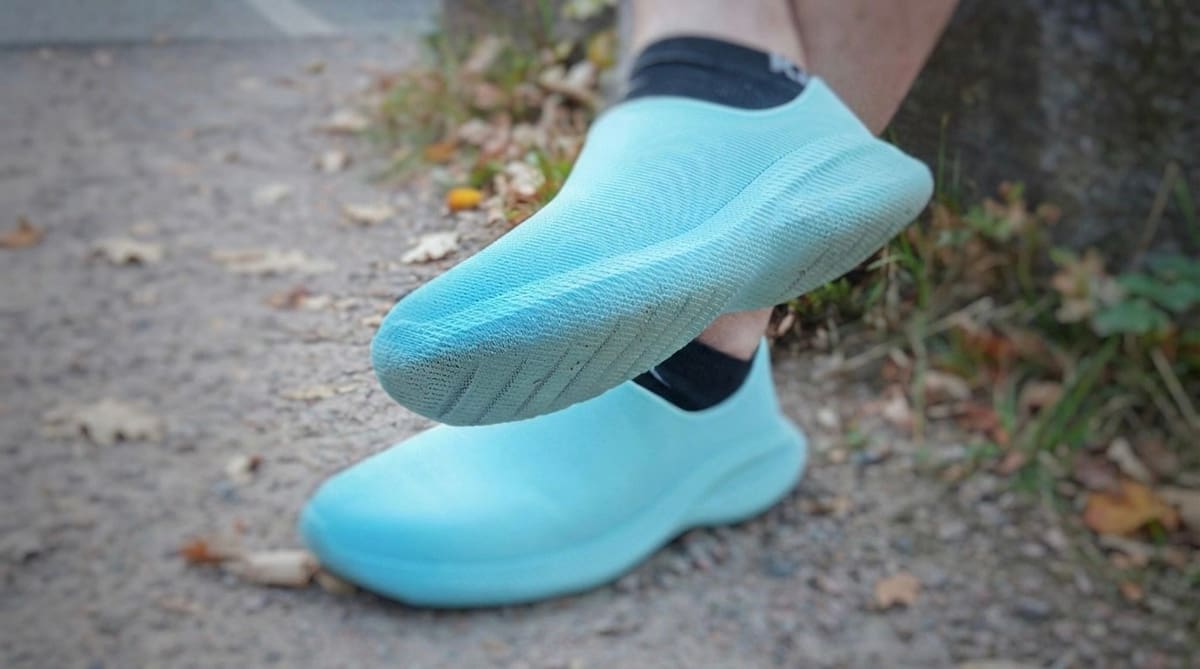
If you think 3D printed shoes have to look like clunky plastic bricks, the CityStep sneaker is here to prove you wrong. This design mimics the look and feel of modern “knit” sneakers by using a clever slicer trick: The shell is printed with no solid outer walls and 100% infill. This creates a breathable, mesh-like structure that is surprisingly comfortable and flexible.
The shoe prints as a single piece, standing upright, which minimizes the need for complex internal supports. It features a structured heel and sidewalls to keep your foot secure, making it a viable option for actual daily wear.
- Who designed it? DjangoCashflow
- How printable/popular is it? This model has taken MakerWorld by storm, earning a “Featured Model” badge with over 6,000 downloads and 3,000 likes.
- Where to find it? MakerWorld
Tongue Sandals
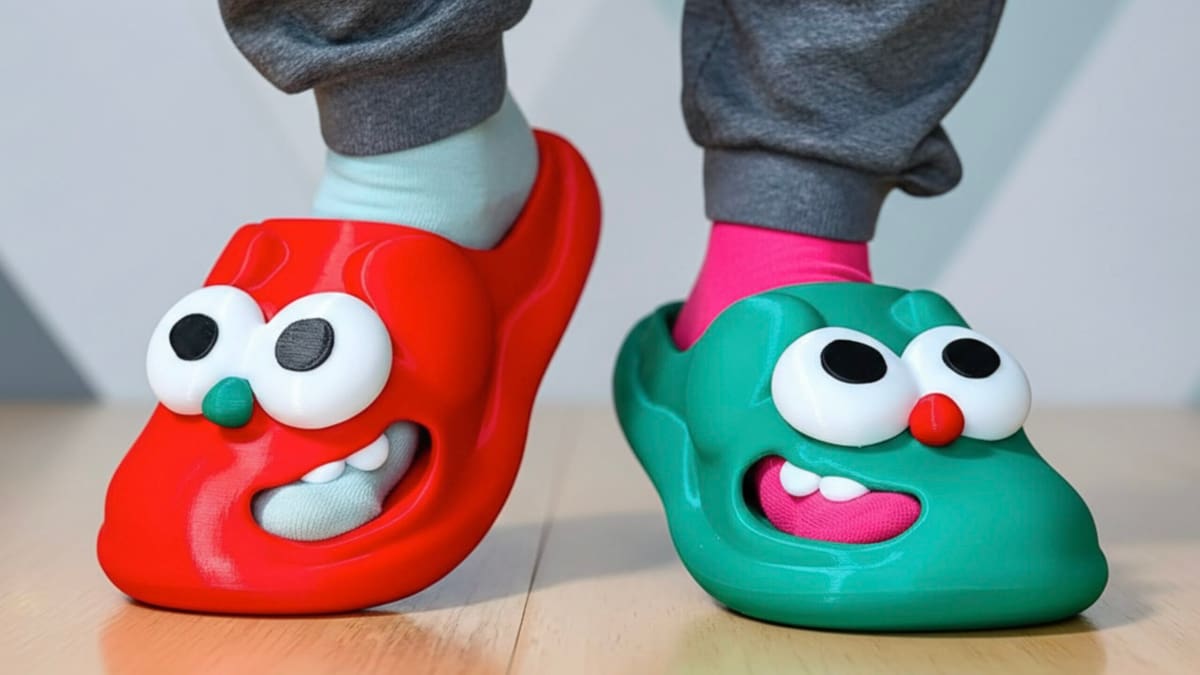
Sometimes 3D printing is about engineering, and sometimes it’s just about having a laugh. The “Tongue Sandals” (or “Lenguudos”) fall squarely into the latter category, but with surprisingly good execution. The concept is simple yet hilarious: the sandal is shaped like a monster’s mouth, and the front opening is positioned so that your own big toe protrudes to act as the “tongue.”
Designed by the creator of the popular dino-themed Triceracrocs, this model is optimized for Bambu Lab AMS (multi-material) systems, allowing you to print the eyes, teeth, and gums in different colors for maximum effect. Despite the joke factor, the sandal is a functional slide that can be worn for casual fun (or to embarrass your family).
- Who designed it? 3DXAV
- How printable/popular is it? It’s a newer, niche model perfect for those wanting to test their multi-material TPU skills.
- Where to find it? MakerWorld
Voronoi Slides
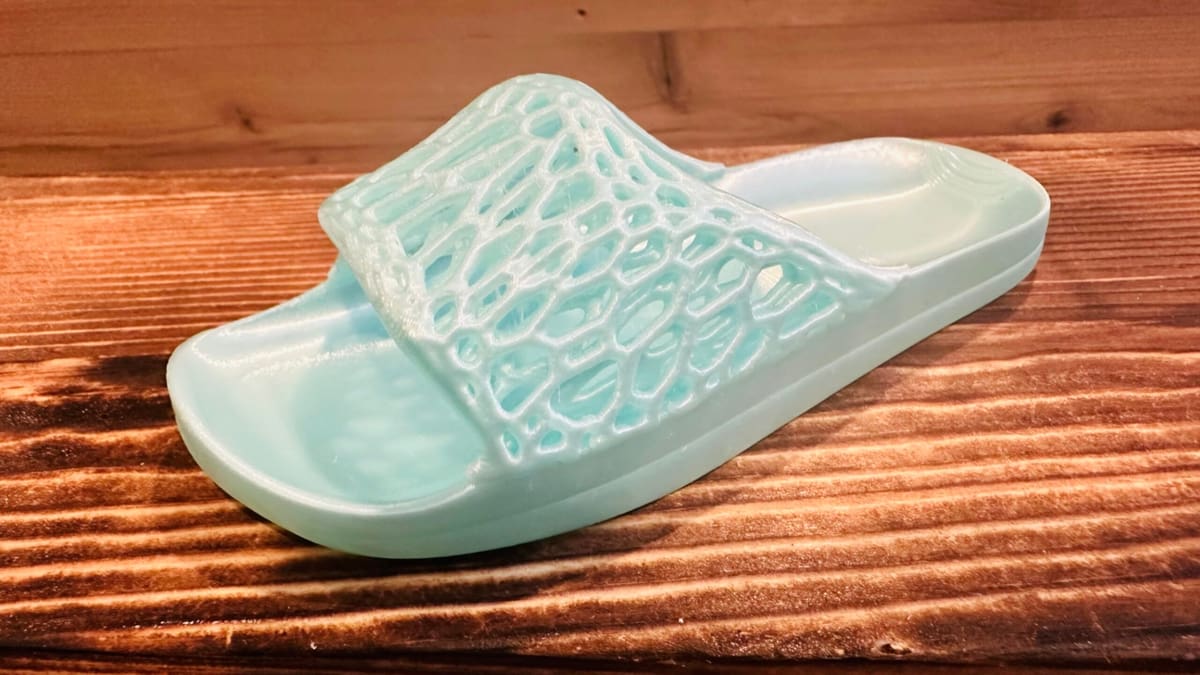
If standard “pool slides” feel too boring (or too sweaty), this remix is the perfect upgrade. Designer Tsandome has taken the classic slide silhouette and modified the upper strap with an organic Voronoi pattern. This not only gives the shoe a distinct, futuristic look but also significantly improves ventilation, making it ideal for hot summer days.
The model includes three pattern variations, with the designer noting that the first and third are easiest to print. It combines the stability of a solid sole with the flexibility of a mesh-like upper, creating a shoe that looks complex yet prints relatively easily.
For genuine comfort, 85A TPU (or softer) is highly recommended. Because the Voronoi pattern involves many overhangs and retractions, ensure your filament is perfectly dry to avoid stringing between the holes.
- Who designed it? Tsandome
- How printable/popular is it? A hidden gem on MakerWorld (approx. 400 downloads), it’s a great example of how smart texturing can elevate a simple design.
- Where to find it? MakerWorld
Flip-Flops
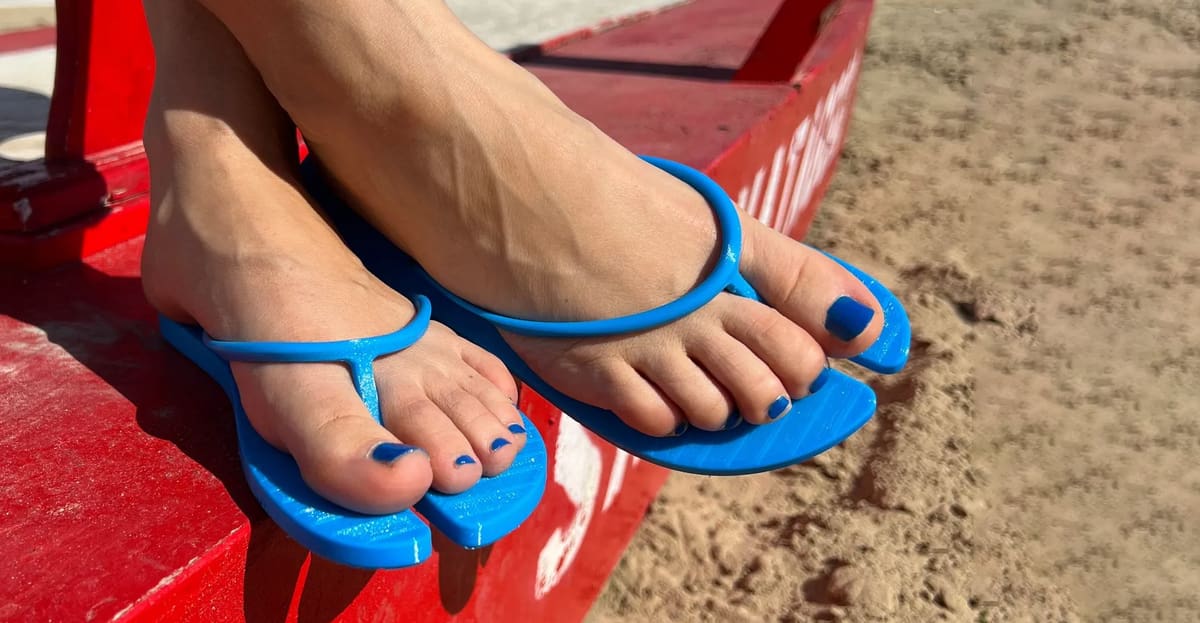
Get summer-ready with these super stylish 3D-printed flip flops—perfect for the beach, pool, or anywhere you want to show off your maker vibes. Designed to print in place with no supports, they’re quick to produce and surprisingly simple to assemble; just snap the parts together with a pair of pliers or some solid finger strength and you’re good to go.
Available in EU sizes 39–44, they can easily be scaled to fit other sizes. For the best comfort and flexibility, use soft TPU or other low-Shore-hardness flexible filaments. Check the included printing guide for tips, and feel free to reach out for help or more info. Now the real question is—are you ready to wear yours?
- Who designed it? IL3D
- Where to find it? Printables ($7 for the STL)
+ Personal Accessories
In this section, we’ve gathered a few common personal accessories that can be printed whenever you need them and customized to your liking.
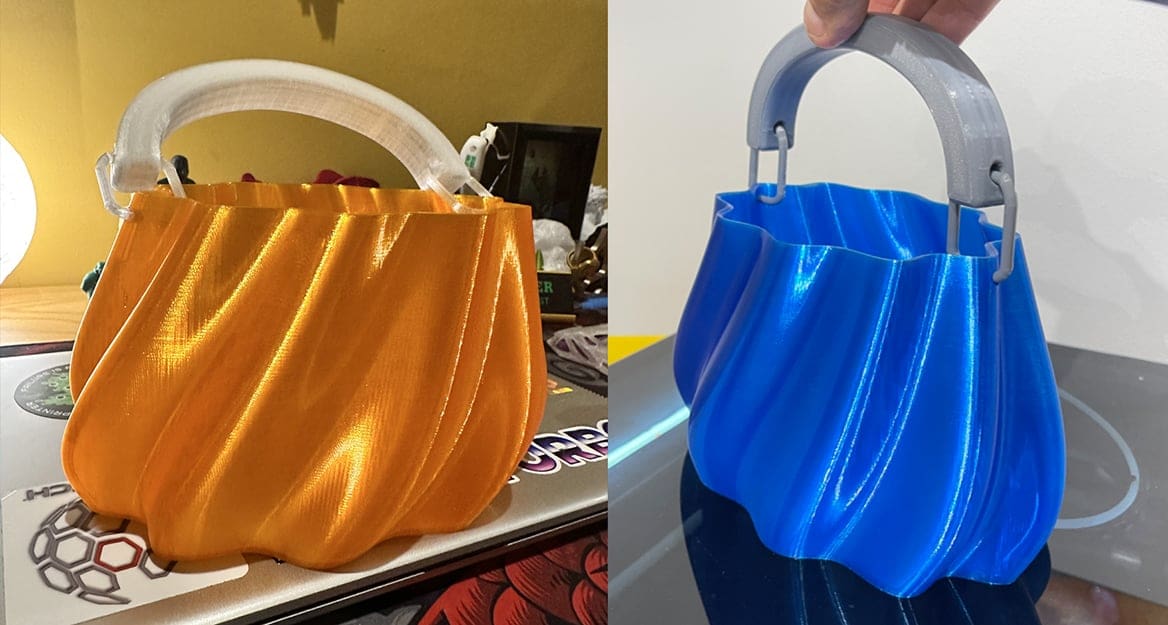
Wavy Handbag
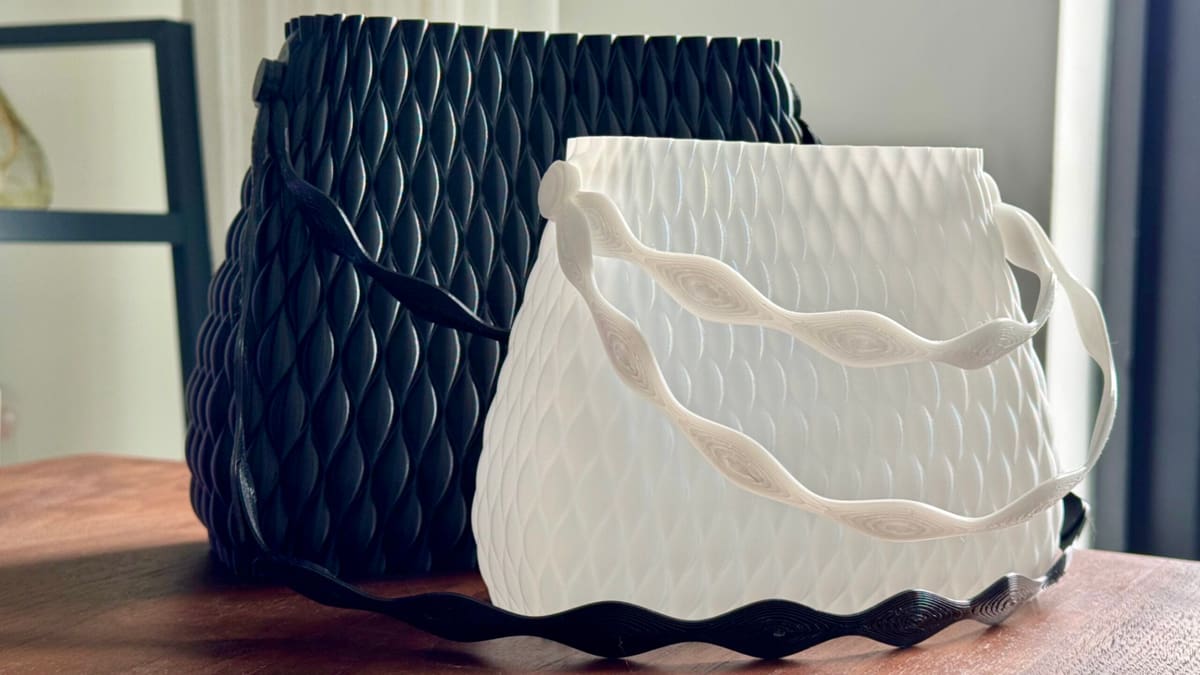
This chic “Wavy Handbag” proves that you don’t need complex assembly to create high-fashion accessories. The design features a distinct, undulating ripple pattern that looks like it belongs in a boutique window.
The genius of this model lies in its printing method: it is designed to be printed in Spiral Vase Mode using TPU 95A. This means the printer draws a single continuous line, spiraling upwards to create the bag’s body without any seams or retractions. This results in a print that is not only visually clean but also exceptionally fast to produce. The straps are printed separately and attached via simple pins, or you can opt for a longer shoulder strap using the additional files provided.
The designer strongly recommends TPU 95A and a 0.8mm nozzle (or setting your 0.4mm nozzle to extrude a 0.8mm line width) to ensure the single wall is thick enough to be durable.
- Who designed it? NoBeer
- How printable/popular is it? A rising star in the fashion category with nearly 800 likes. It’s a perfect “speed print” project for anyone wanting to test their large nozzle settings.
- Where to find it? MakerWorld
Flexi Purse
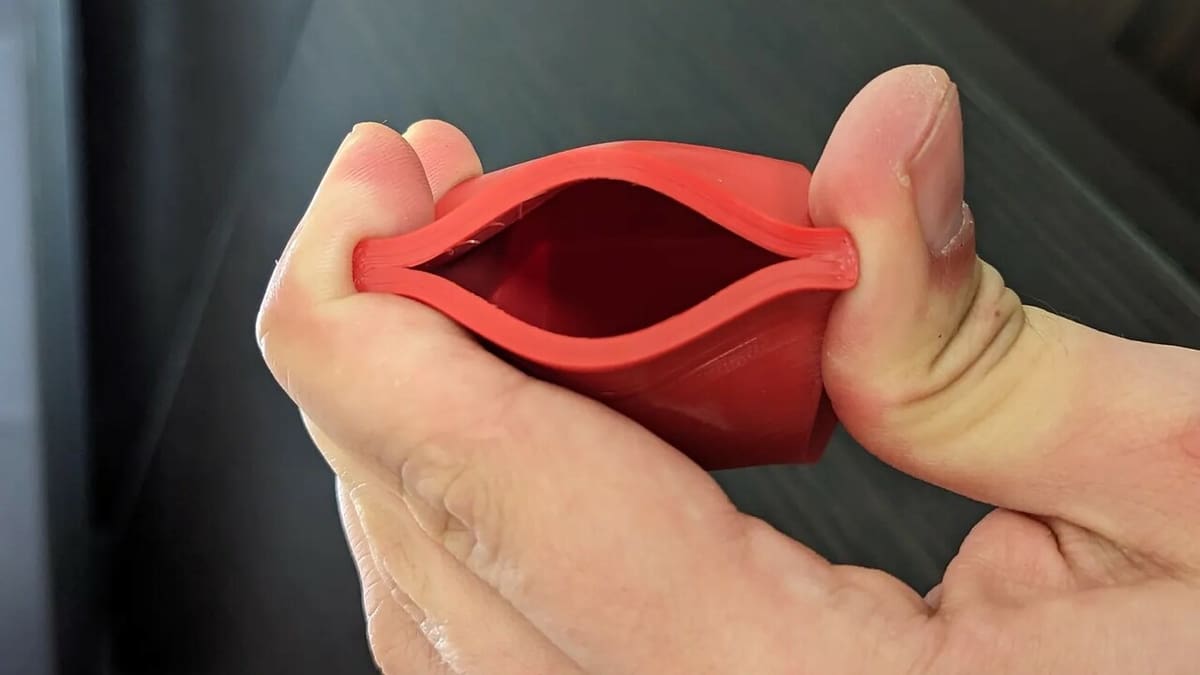
Tired of finding loose coins at the bottom of your bags (and everywhere else)? This little purse is perfect for keeping your change in one place. You can also use it for other purposes, of course. The flexible TPU body features optional latches that ensure a secure closure.
Keep in mind that you may need a sharp knife or stylus to open the bag after printing, as the final layers may stick together. If bed adhesion is a problem, the creator recommends adding a brim.
- Who designed it? 3DPrinty
- How printable/popular is it? With 57 makes and over 1,800 downloads, this is a popular TPU print.
- Where to find it? Printables
Massage Tools
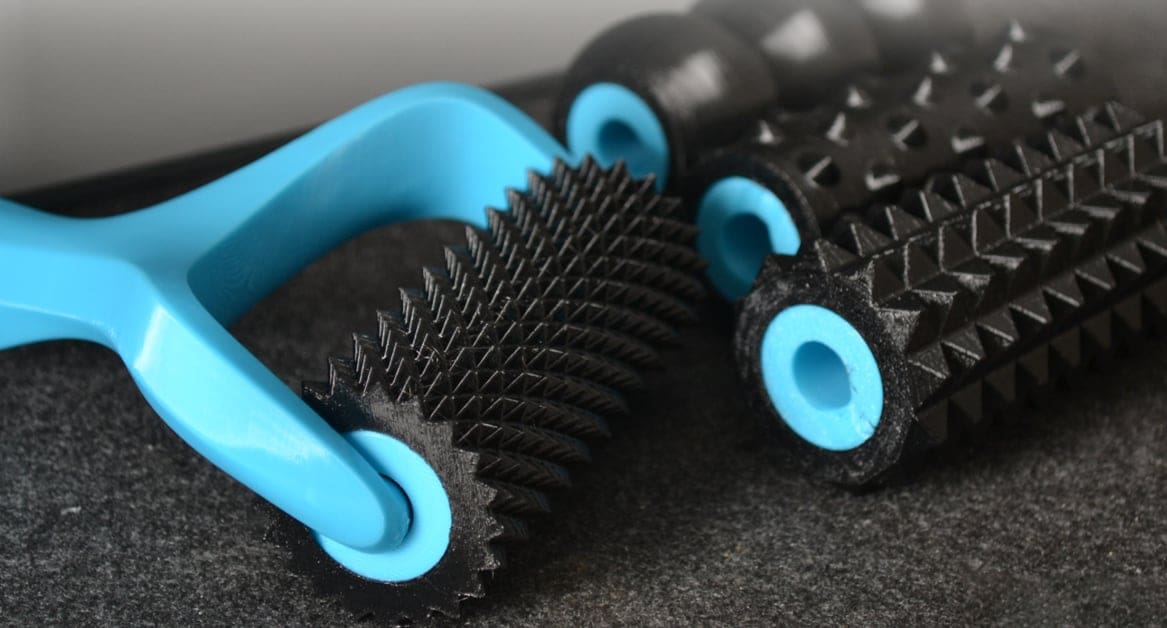
This modular massage tool set features a handle with quick-swap TPU rollers designed for targeted relief across the back, legs, arms, stomach, and more. The rollers can also be used on their own for foot massage—simply place a roller on the floor and move your foot back and forth. A custom storage box keeps all components neatly organized, and four different interchangeable massage attachments highlight both the functional and aesthetic uniqueness of the design.
The project combines PLA for rigid parts and TPU for flexible rollers, with separate print sheets to simplify material setups. The large PLA storage case prints without supports, though some overhang areas may be a bit rough. TPU rollers require dialed-in settings for best results, so users should tune temperatures and retraction to match their own filament and printer. Thoughtfully engineered and refreshingly customizable, this set makes a practical, personal, and satisfying print for everyday recovery and relaxation.
- Who designed it? Emay-Design
- Where to find it? MakerWorld
Flexible Net Bag
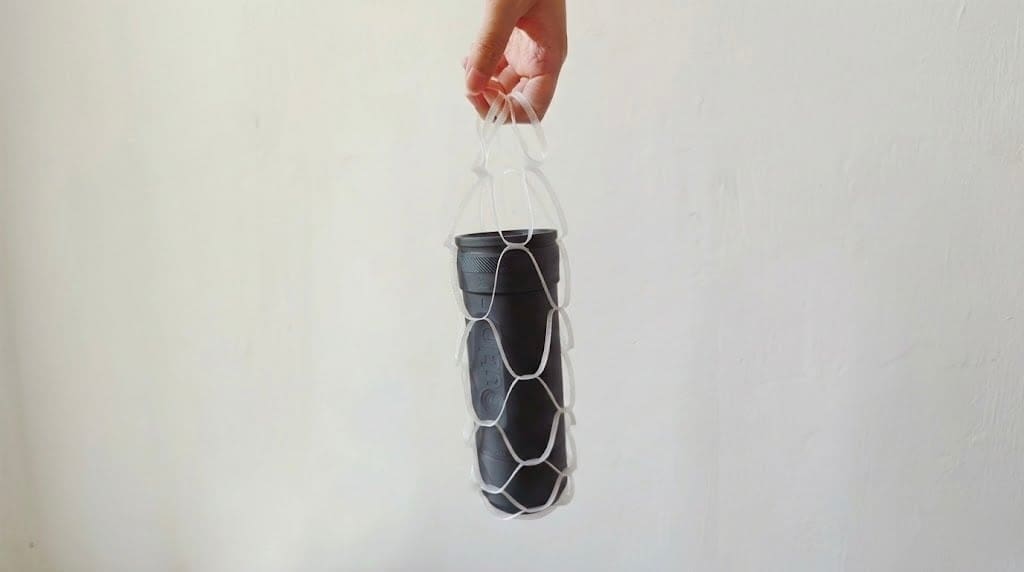
This clever design leverages TPU’s exceptional durability and flexibility. Printed flat as a series of concentric cuts, the “Flexible TPU Net Bag” expands under gravity when you lift it, transforming a flat disc into a spacious mesh carrier. It’s an ingenious use of geometry that requires zero assembly.
The bag is robust, with the designer noting it can easily carry loads exceeding 670g (like a water bottle or heavy fruits). When not in use, it snaps back into its flat form, making it easy to store in a drawer or even another bag.
There are two main versions available: a simple one with dual handles (great for quick carrying) and a “drawstring” style with a denser mesh for smaller items.
- Who designed it? Tian
- How printable/popular is it? A highly practical print with nearly 5.0 stars. Users report it works surprisingly well even with PLA for lighter loads, though TPU is best for longevity.
- Where to find it? MakerWorld
Customizable Watch Strap
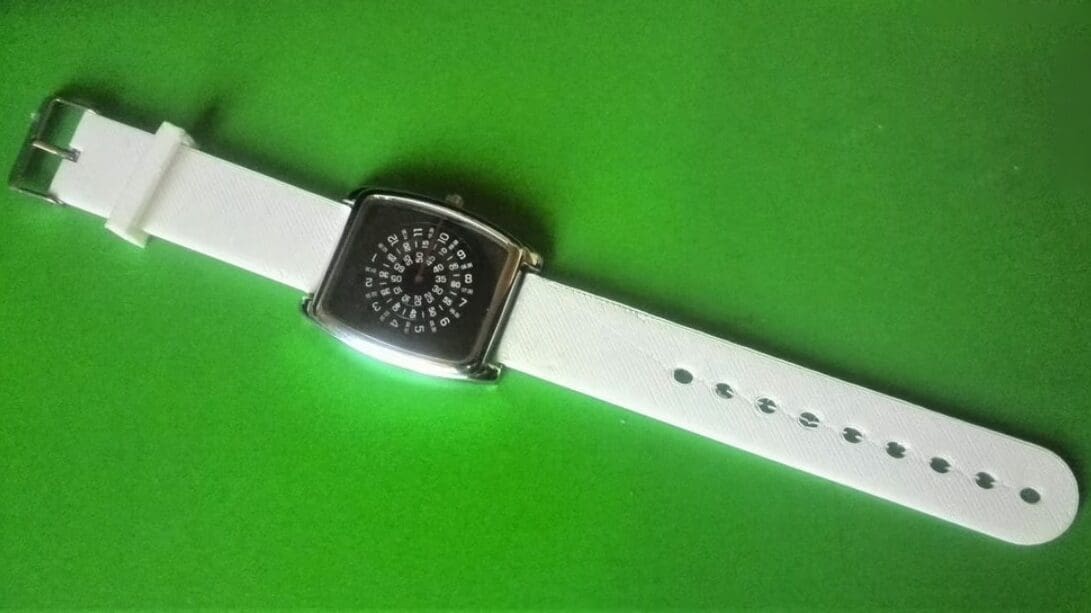
Got a broken watch band? Or want a new color? Thanks to Thingiverse’s Customizer app, you can easily customize the length and width of this design to better suit your watch and wrist size.
The designer suggests NinjaFlex, Filaflex, or Taulman 3D PCTPE. Additionally, you should print with 100% infill. Check out the designer’s instructions for guidance on swapping out the buckle and replacing the straps.
If parametric design isn’t your thing, rest assured that there are plenty of watch straps around for Apple Watch, Galaxy Watch, Garmin, and even older Casio watches.
- Who designed it? laird
- How printable/popular is it? This print has 6 recorded makes and 48 remixes.
- Where to find it? Thingiverse
Bracelet
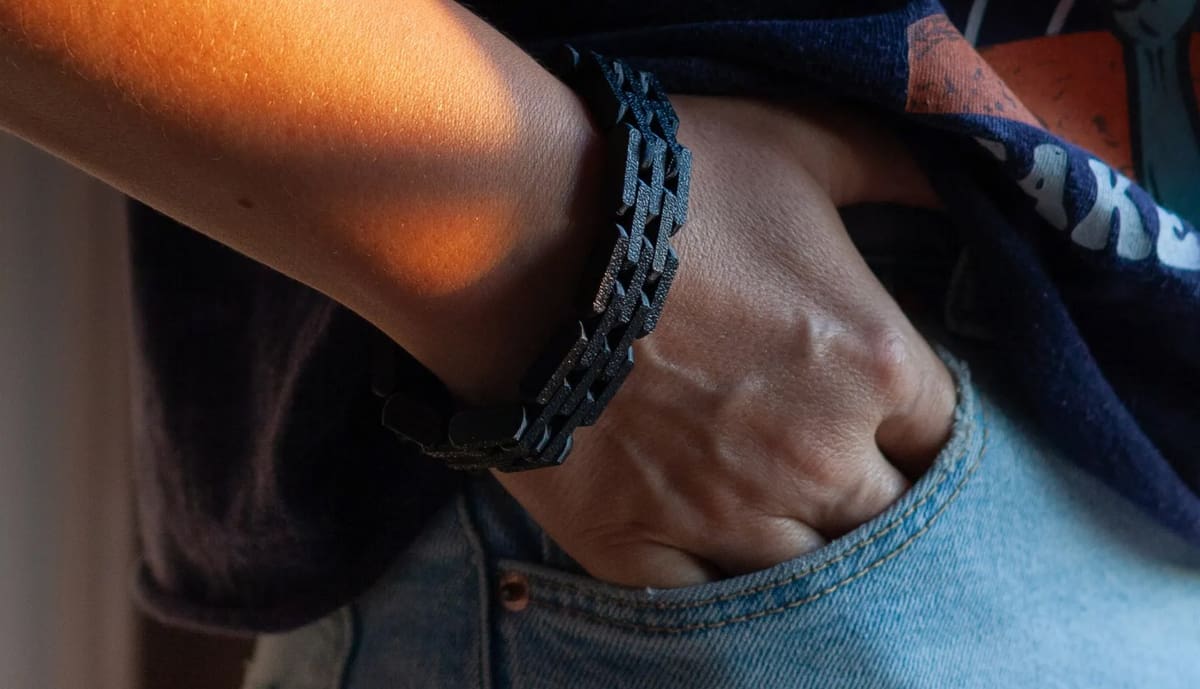
The TPU Parametric Bracelet began as an experiment in whether soft TPU could bridge and hinge—and it turns out the answer is a definite yes. With flexible interlocking segments, the bracelet can be customized to fit your wrist by simply measuring and entering the desired length into the parametric model. Because the segment size stays constant, it’s recommended to add about 30 mm to your actual measurement for a comfortable fit, and to double-check the resulting length in your slicer before printing to make final adjustments.
Printed using Overture TPU, the bracelet benefits from TPU’s squishy, bendable behavior, but settings may vary with other filaments, so tweak profiles as needed for best performance. As always with TPU, a clean, grease-free build plate helps ensure good adhesion and consistent layer bonding. Fun to customize and surprisingly functional, this flexible accessory turns a material test into a wearable project.
- Who designed it? TPU Parametric Bracelet by Jessica
- How printable/popular is it? With around 767 downloads and several unique makes across both sites, it’s safe to say that this model is both popular and printable.
- Where to find it? MakerWorld
+ Tech
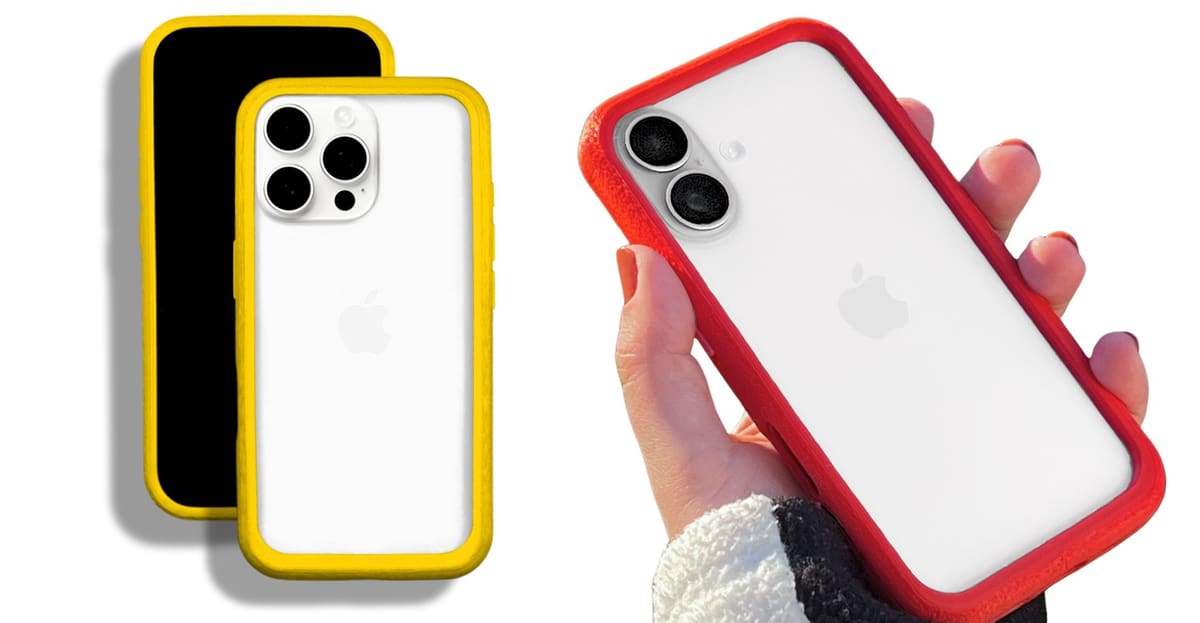
In this section, we’ve found some useful tech-related accessories. From protective covers to cable organizers, these items can certainly come in handy and make life simpler.
Cable Ties
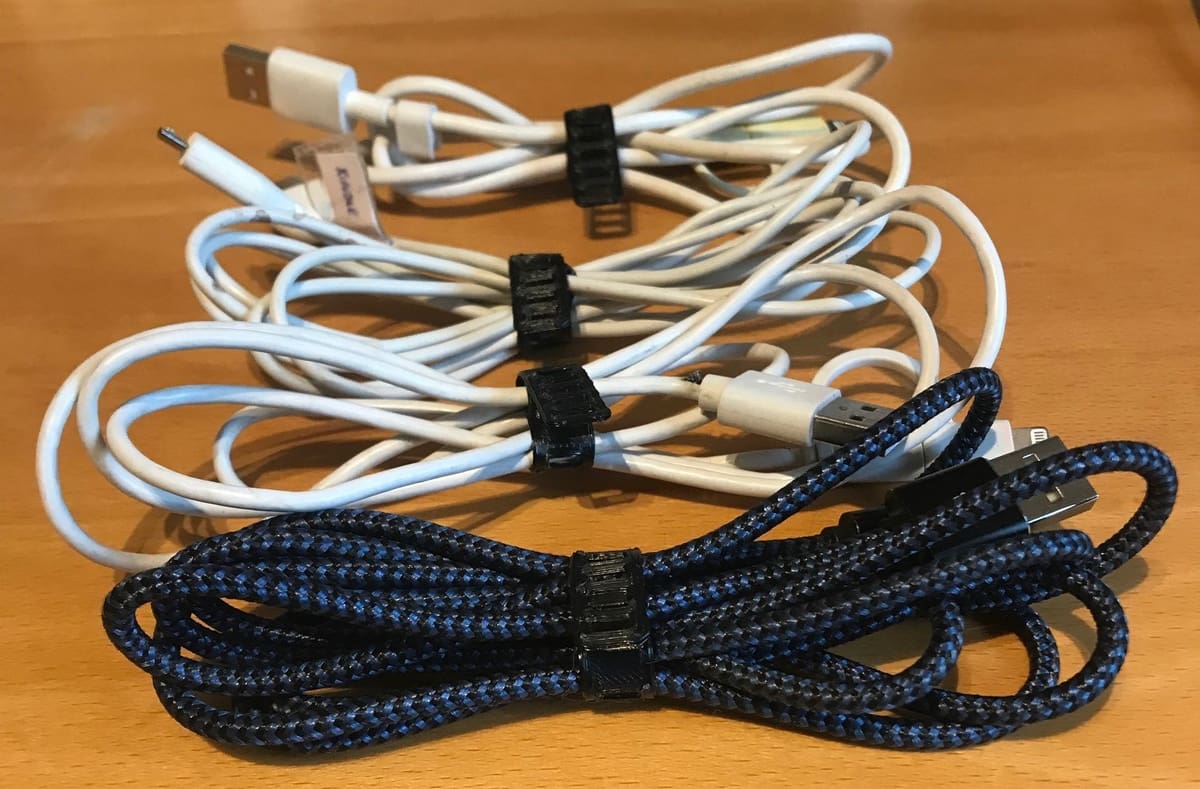
Do you never seem to have cable ties when you need them the most? These reusable cable ties will never fail in their purpose. Additionally, you can customize these ties to any length to suit your organizational needs.
The flexibility of TPU is perfect for getting a secure fit. If you have trouble with bed adhesion, there’s an optional disc that you can add to help the smaller end stay down.
- Who designed it? rainers
- How printable/popular is it? These cable ties have over 45,000 downloads.
- Where to find it? Thingiverse

Squeegee FEP Film Cleaner
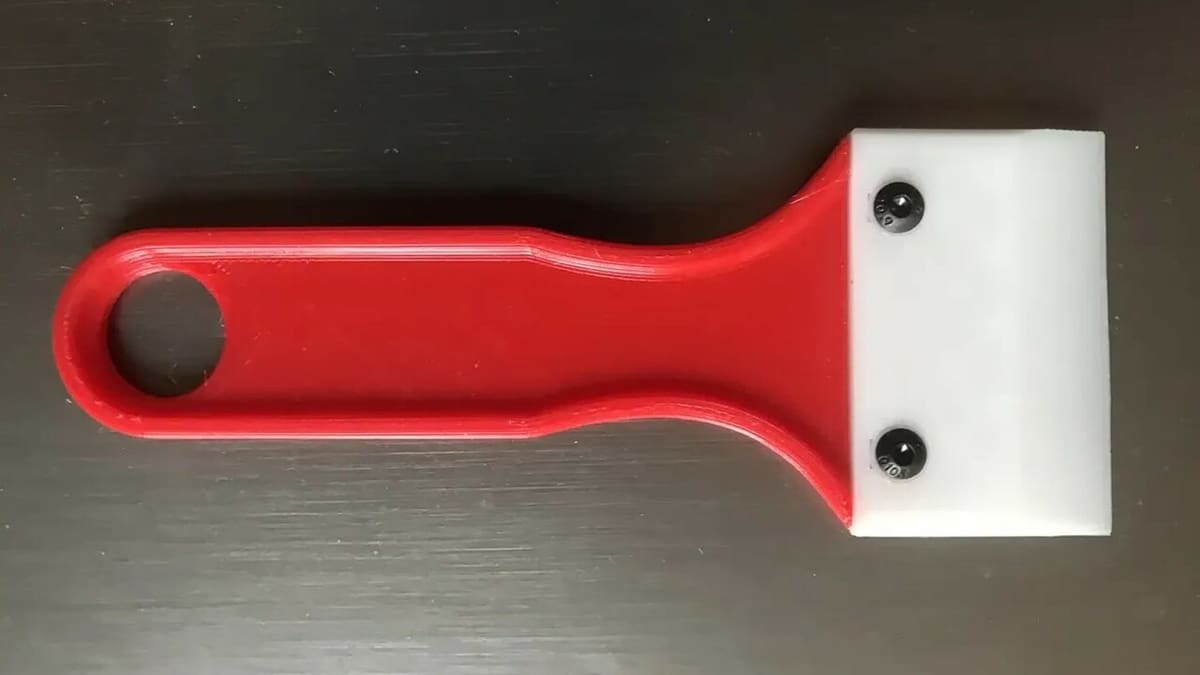
Resin printer cleaning tools can be relatively affordable when purchased in kits, but being able to 3D print your own squeegee at a moment’s notice has its perks. The flexibility of TPU filament is perfect for avoiding damage to the FEP film when draining or cleaning the resin.
You’ll want to print the handle from a non-flexible material. You can easily swap out the rubbery TPU tip if it shows signs of wear and tear. There is a nice compliment in the comment section from a maker who made, tested, and approved the squeegee!
- Who designed it? tsuipo
- How printable/popular is it? So far, there’s only two makes, but that shows it’s possible to print your own.
- Where to find it? Printables
Joystick Caps
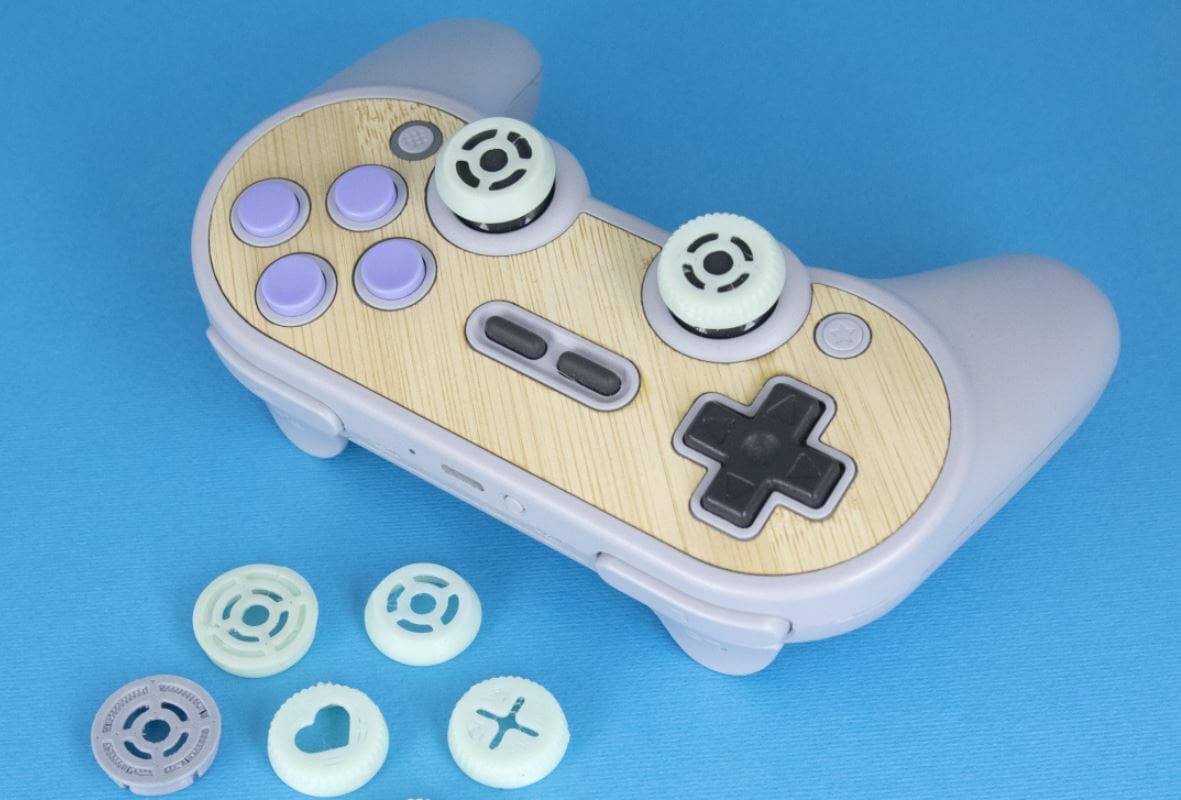
If you’re into console gaming or using a controller for other things (e.g. controlling a robot), these 3D printable joystick caps are a great way to add some visual flavor to your controller. You might even improve your aim, thanks to the improved grip on the joysticks.
The project contains a few joystick caps, each with a different design and tailored to fit an 8BitDo controller. While the designer stated that the caps are meant to be printed with a flexible material, they also included other files with “NonFlex” in their name that work with traditional printing materials like PLA. The maker of this project stated that they printed the models in NinjaTek TPU filament.
- Who designed it? MakeAnything
- How printable/popular is it? This set of flexible joystick caps has over 1,000 downloads as well as over 9,100 views.
- Where to find it? MyMiniFactory
AirPod & Apple Watch Cases
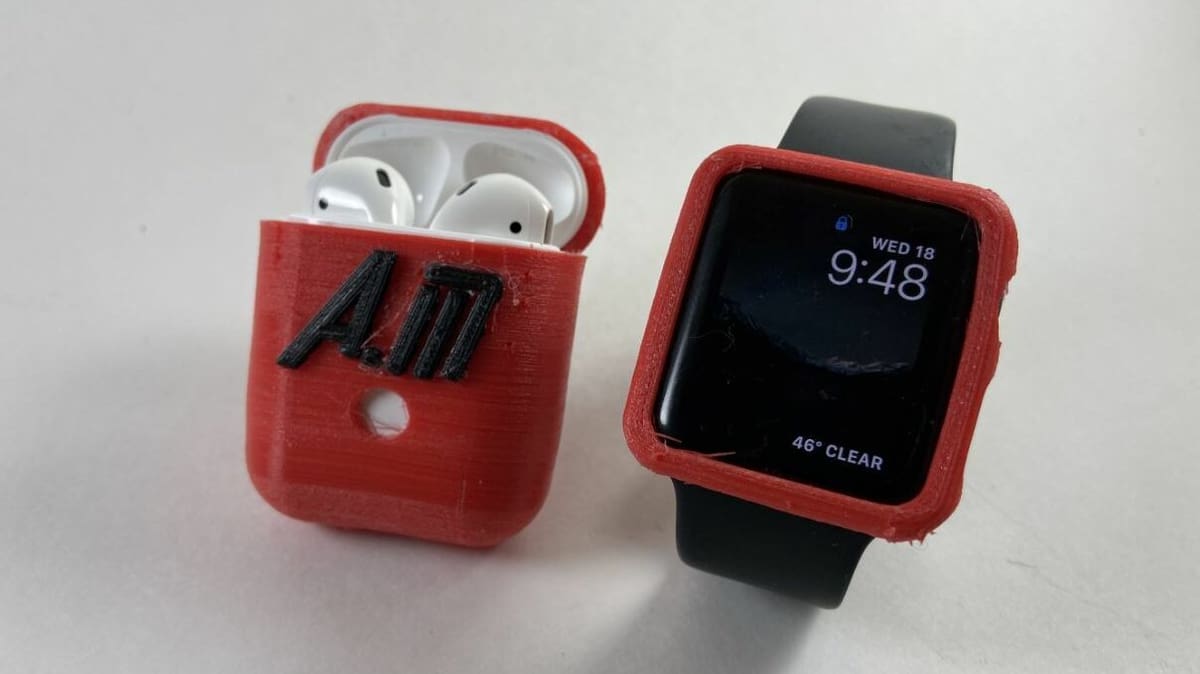
This matching case set is perfect for your Apple Watch and AirPods! Designed for the first generation, the AirPods case includes two parts: a case for the body and a case for the top. The Apple Watch case is simple and unobtrusive, so you’ll barely notice you’re wearing it.
Both cases are printed in TPU filament. The Apple Watch case takes about 40 minutes to print. The creator explains that they made the AirPod case with a slightly smaller dimension to make sure the case doesn’t fall off.
- Who designed it? AaedMusa
- How printable/popular is it? This case set has over 2,200 downloads with over 21,000 views!
- Where to find it? MyMiniFactory
AirTag Case/Keychain
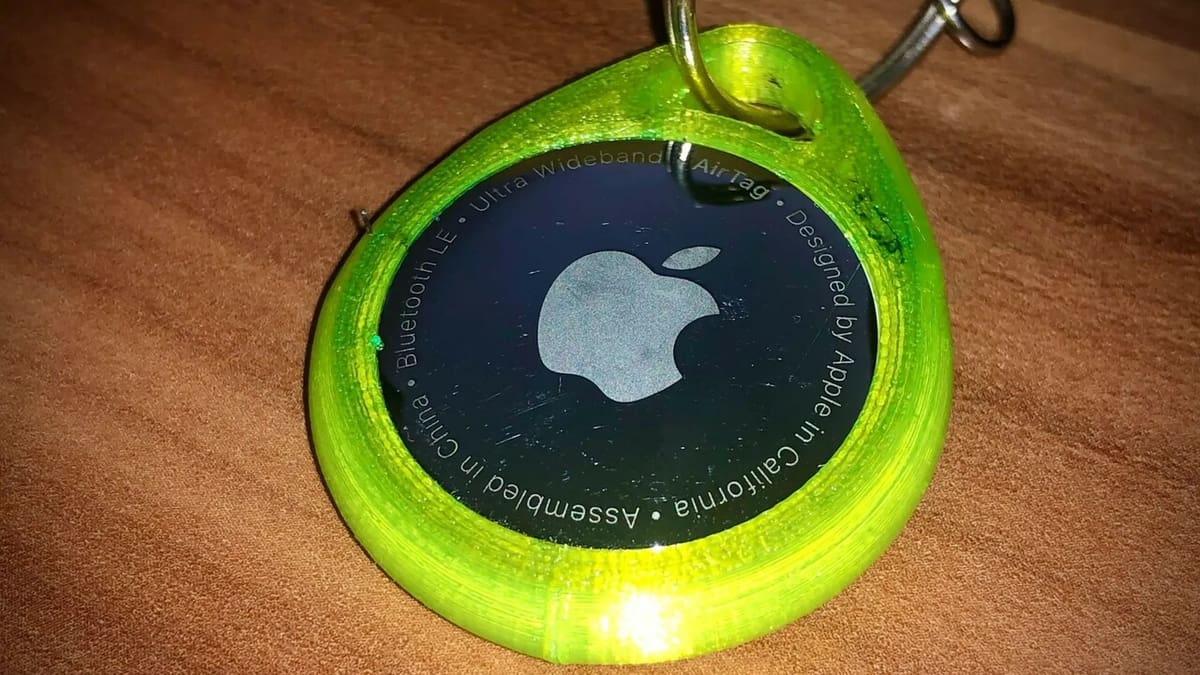
Most of us have probably gone through the terrible experience of losing a backpack, wallet, luggage, or even an important key, and know just how important it is to keep our valuables safe. After all, some things just can’t be replaced.
Designed as a key finder, an AirTag is a device that helps keep track of important items. Printing a personalized one in flexible TPU will ensure that you can take the case on and off without breakage. There are three different versions to choose from, and the designer is available through Discord or Telegram if you want a customized version.
- Who designed it? t4obrien
- How printable/popular is it? So far, this gadget has 14 makes and around 1,100 downloads.
- Where to find it? Printables
+ Home
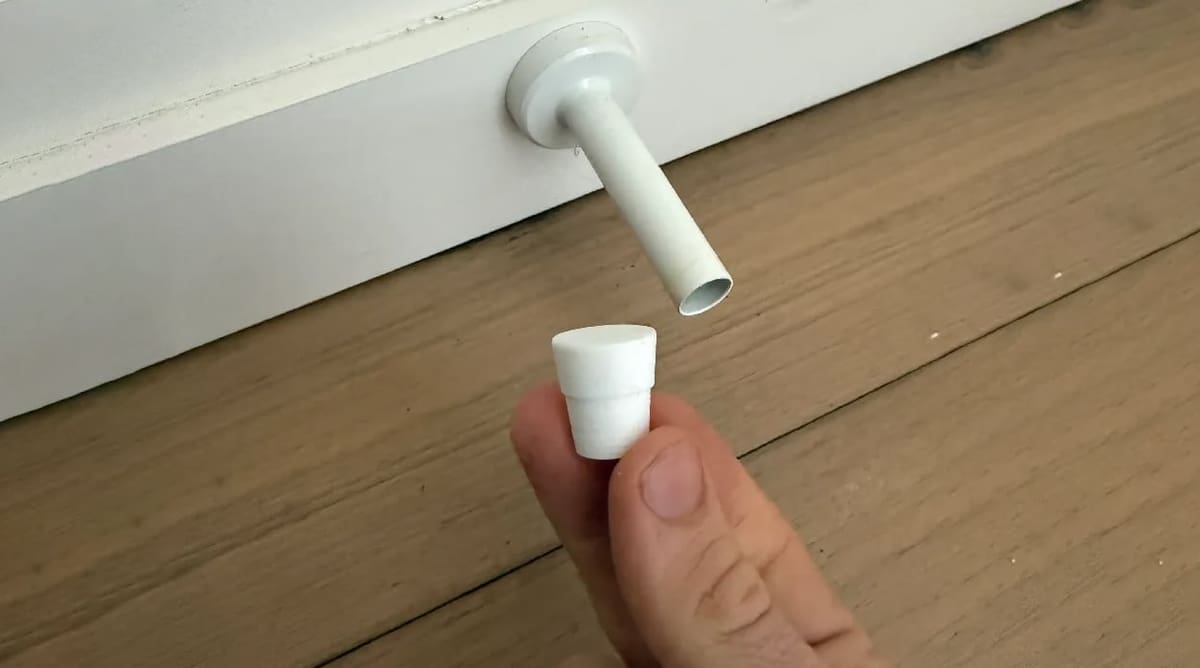
We’ve uncovered the most useful flexible prints for your home. After testing them out, you’ll wonder how you ever lived without them!
Doorstop
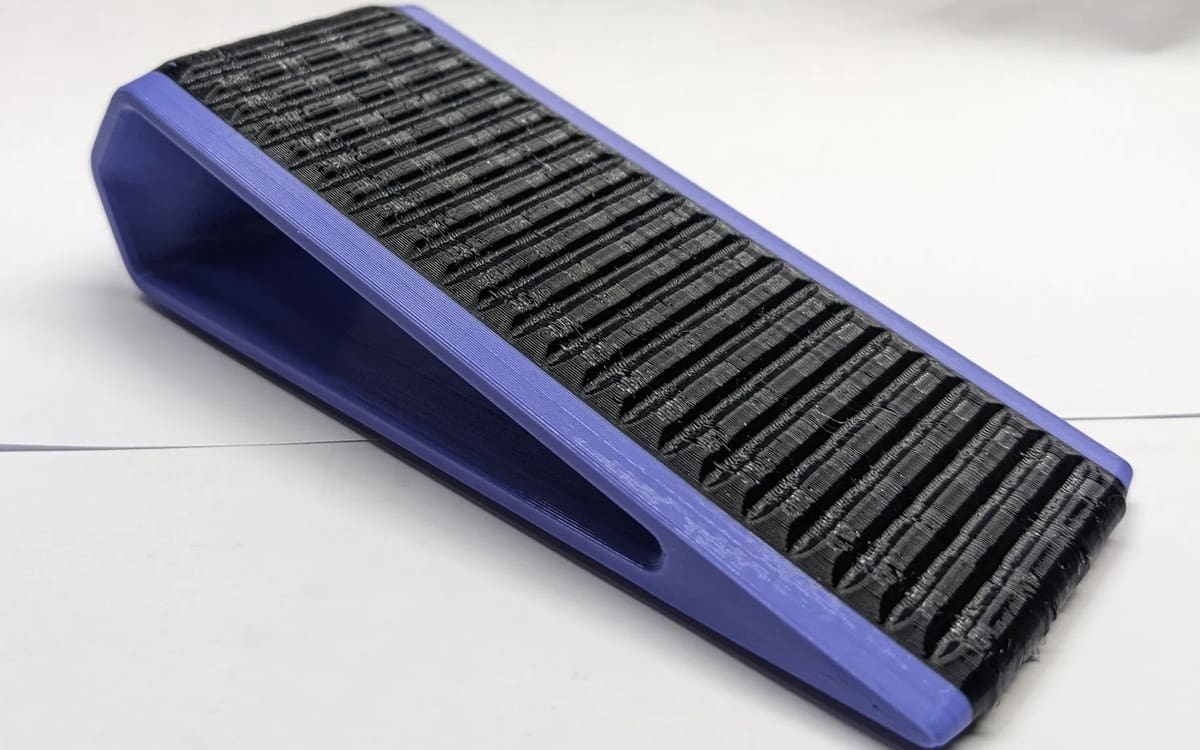
Doorstops are something that you always seem to need and never seem to have around. Printing your own doorstop will ensure that you have one for every door in your home. This model is designed to be printed in multiple materials, with a sturdy PLA or PETG base and a flexible TPU cover for better grip on the door and floor.
If you’re set on printing the entire doorstop out of TPU, the designer has included a fully assembled file, so you won’t have to print more than a single part. Some makers have mentioned that the TPU requires glue or other adhesives to stay in place once assembled, so keep this in mind if you’re having a tough time with assembly.
- Who designed it? Extrutim
- How printable/popular is it? On Printables, it has 5,300 downloads and 60 makes.
- Where to find it? Printables
Corner Protection
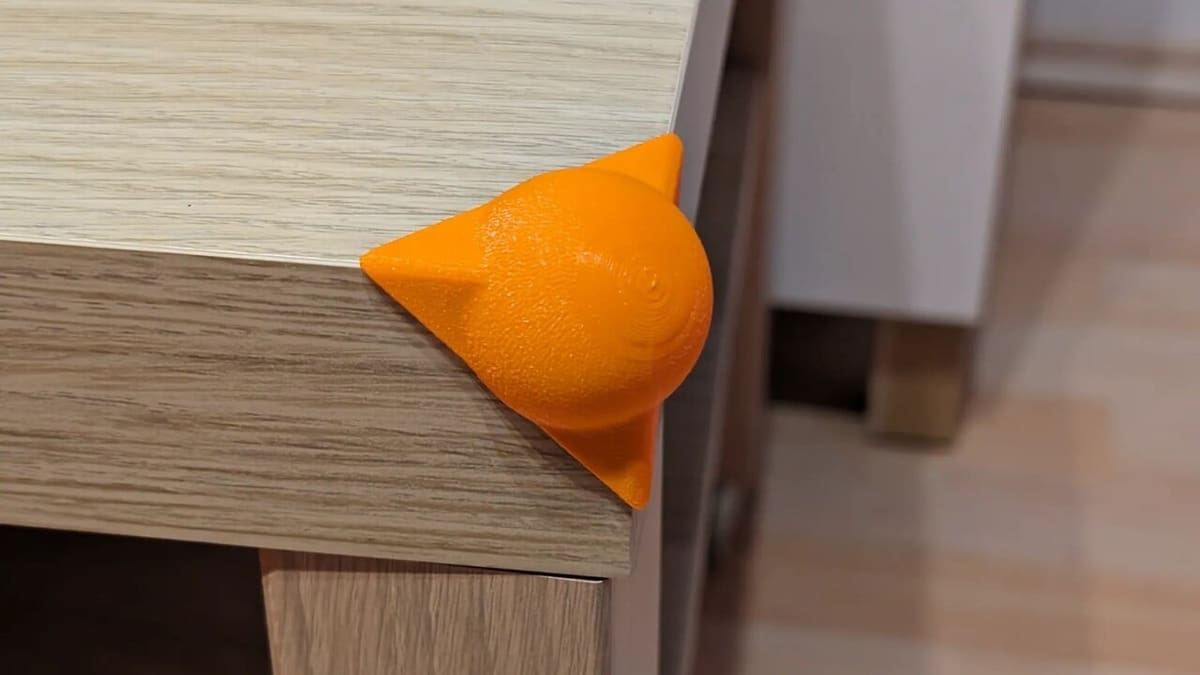
This is one of those models that exemplifies how 3D printing can transform simple objects into practical and personalized solutions for everyday life. The easy-to-attach design protects children and clumsy people from dangerous corners and edges. It’s an economical and smart solution that has already saved some shins and heads from unpleasant accidents, according to enthusiasts who have printed it.
Choosing the right TPU is essential. Users like gnux007 have reported that stiffer versions like the 95A TPU may not provide the ideal dampening. You might want to try a softer TPU.
The recommended print profile is 0.16-mm layer height, with 2 perimeter walls and 10% infill. Supports aren’t needed.
- Who designed it? chrisax212
- How printable/popular is it? This amazing idea has 600 downloads and 410 prints so far.
- Where to find it? MakerWorld
Water Bottle Sleeve
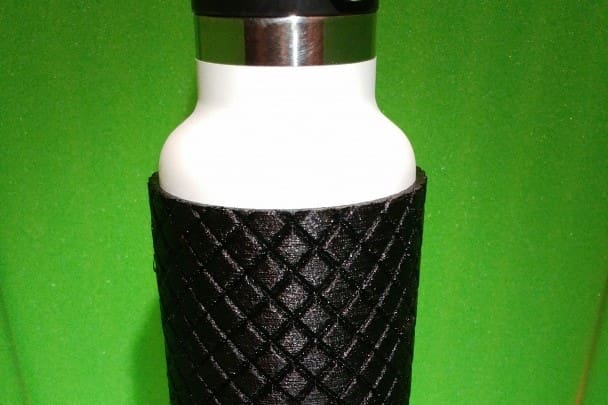
Has your water bottle suffered from numerous dents and scratches? With this sleeve, you can protect your water bottle from damage. It also offers extra grip, making your bottle less slippery.
Though the sleeve is designed for a 21-oz. Hydro Flask, you can always scale the file to customize the sleeve to your water bottle of choice. Just be aware that the detail may increase the printing time.
The designer printed the model with SainSmart TPU but says any flexible filament will work. If your printer can handle the first couple layers of the pattern, the rest is just repetition, so you should be fine.
- Who designed it? jlbimson
- How printable/popular is it? This water bottle sleeve has over 500 downloads and more than 7,200 views.
- Where to find it? MyMiniFactory
Air Duster
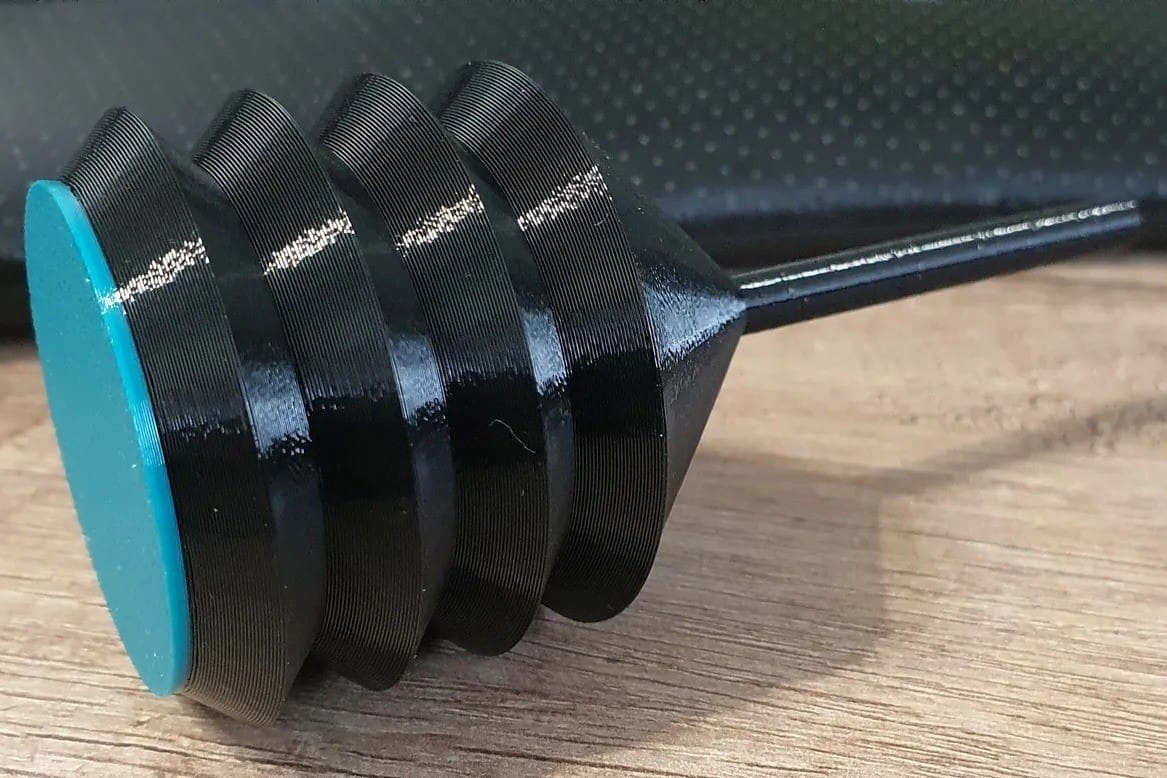
If you’re tired of spending money on canned air and want a cheaper alternative, this is the print for you. This air duster is printed entirely in TPU as a single piece. It has a hollow interior that, when compressed, will shoot air out of the tiny nozzle for surprisingly effective results. Use it to help clean out your computer and electronics, or to reach tight spaces around the house that don’t get dusted too often.
While the model is designed to be printed entirely from TPU, the designer recommends printing the base of the model with PETG for a solid base that has less potential of collapsing after continuous compression. You can find extensive details on how to get the best results for this model in the description. Many makers suggest slowing down print speed for the best results.
- Who designed it? Danthe3DPrintingDad
- How printable/popular is it? This model has already found 5,400 downloads, with more than 81 shared makes.
- Where to find it? Printables
Drink Can Lid
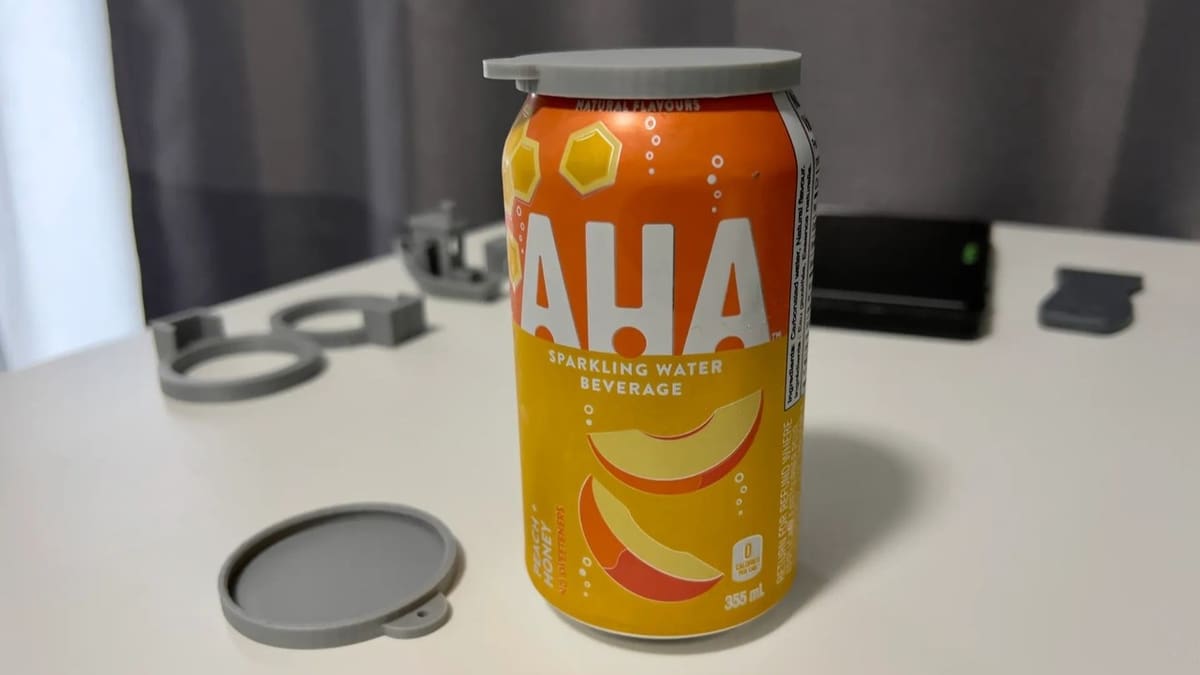
If you enjoy carrying carbonated beverages around with you during parties and family gatherings but are slow to finish your drink, you may want to print a few of these TPU can covers. The lid fits snuggly around standard-sized cans and will help prevent carbonation from leaking out of the top of an open can. They also help to prevent spills should you accidentally knock your can over.
This is a great print for adults and children alike and can be a great item to pass out during large gatherings. The designer offers two models with different sizes, should you want a tighter or looser fit around your can. Print out multiple lids in different colors to help color-code drinks for everyone!
- Who designed it? MakerCameron
- How printable/popular is it? This model is quickly gaining in popularity, with around 77 makes shared from over 6,100 downloads.
- Where to find it? Printables
Quick Towel Hangers
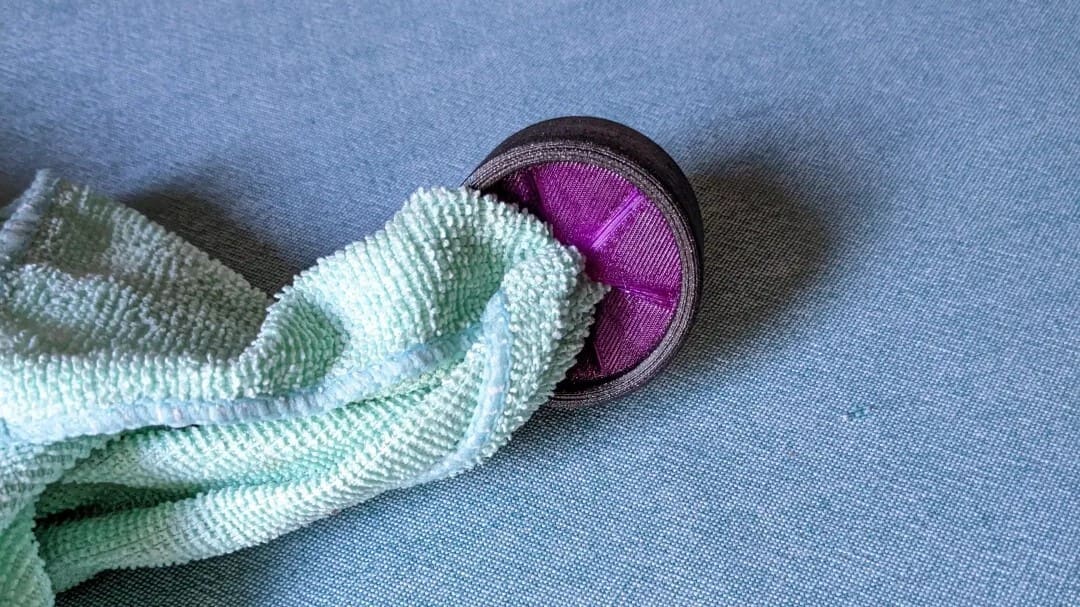
Forget about 80s hooks and flimsy clips that turn into real breeding grounds for bacteria, this towel holder is a practical and modern solution. It uses a grip ring printed in TPU to hold your towel in place. This simple design can be used in a wide variety of environments, keeping your towels safe and always within reach.
To ensure successful printing, use TPU for the grip ring with 100% infill and PLA for the other parts with a standard 0.2-mm layer height and 20% infill. No supports are necessary. In fact, reviews like Peepee poopoo’s indicate that removing the support rings can be quite a hassle.
Assembly is a piece of cake. Just fix the base to the wall with double-sided tape or screws, and fit the ring between the base and the lid. You can even customize the color combinations as you’d like.
- Who designed it? geit_de
- How printable/popular is it? With seven makes and a remix, it’ll be easy to change the look of your space to something more modern.
- Where to find it? Printables
Vice Soft Grips
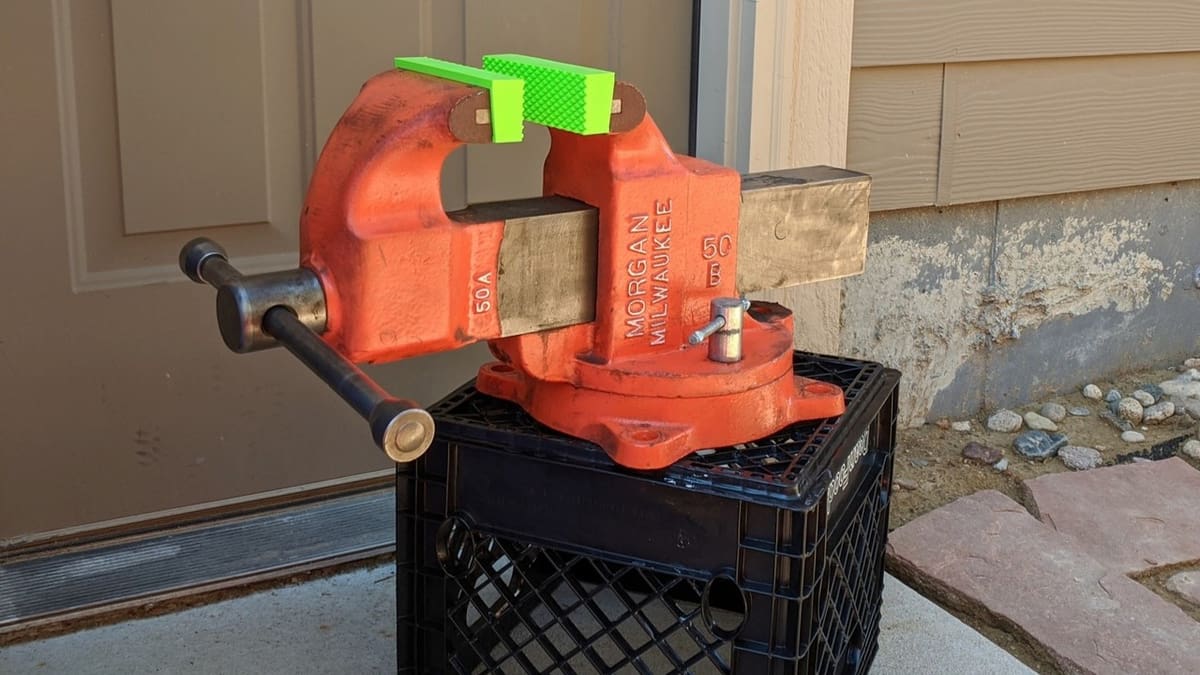
Here’s another useful TPU print. These soft grips are the perfect addition to any workshop, giving your vice grip a gentle touch for more delicate projects. Covering your vice grips can also prevent them from creating an unwanted texture on whatever object you are working on at the time. The use of TPU makes putting these sleeves on simple and gives a good cushion to their touch.
While these specific grips are designed to fit onto a Morgan Milwaukee Vice, the designer has included their STEP files so anyone can make the changes they need to cater the design to their specific vice.
- Who designed it? khalfrenzy
- How printable/popular is it? This file has around 600 downloads.
- Where to find it? MyMiniFactory
+ Sports & Fun
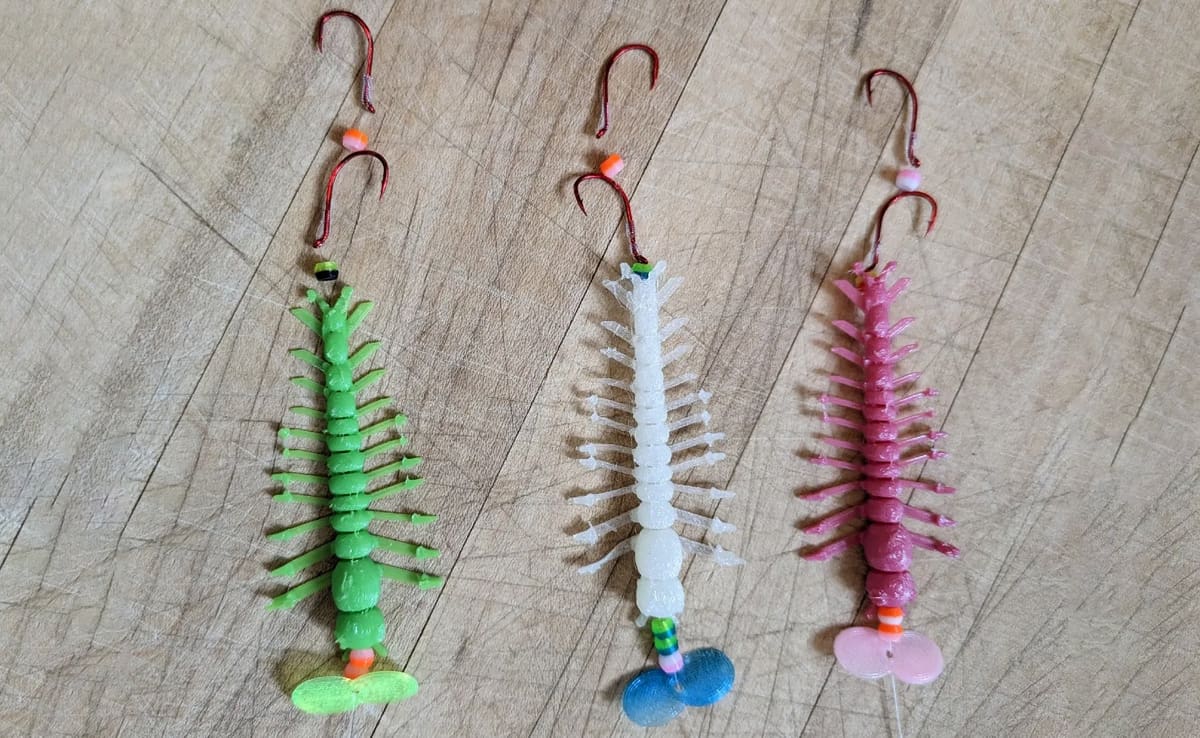
Finally, check these creative prints for humans and pets alike. The fun will be never-ending!
Airless Soccer Ball
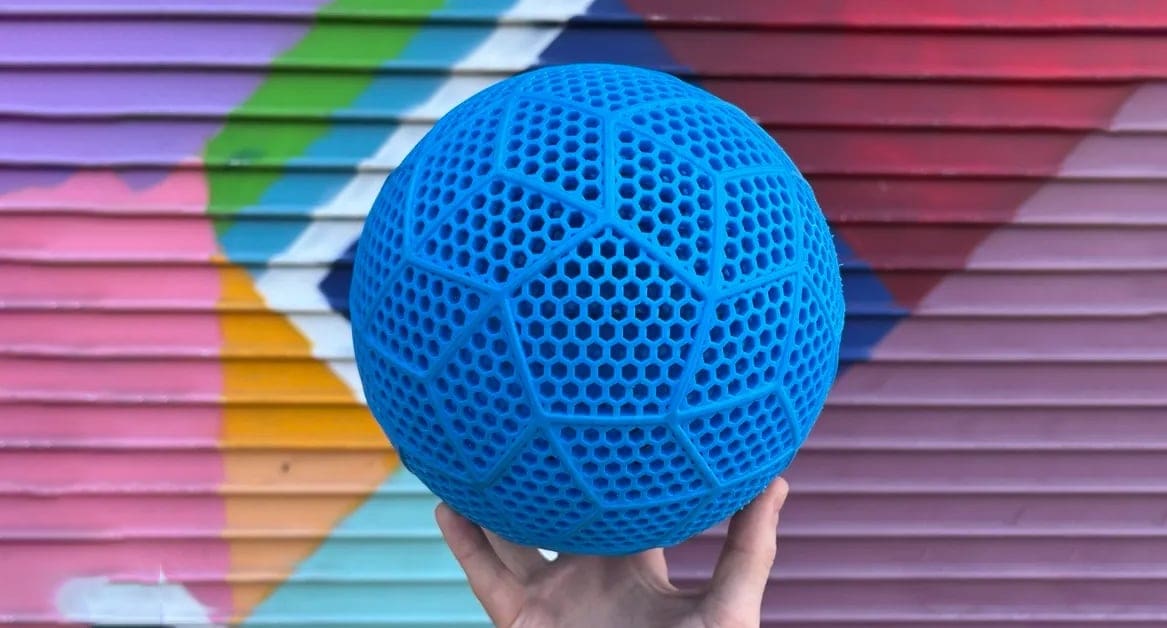
Jump into the airless ball trend with this 215 mm 3D-printed soccer-style ball that actually works on the field—and makes a surprisingly great dog toy, too! Designed for functional play, it prints in TPU and consumes less than 500 g of filament, giving you a durable, flexible ball without the need for inflation.
For the best results, Overture TPU can be run faster, but slowing down to around 2 mm³/s improves surface detail and support removal. Be aware that TPU supports are tough and may require pliers or vise grips to remove. Whether you’re curious about airless ball tech, need a rugged fetch toy, or just want a fun print, this model is ready to roll. Designed by Greg Bejtlich.
- Who designed it? Gret Bejtlich for Overture
- Where to find it? MakerWorld
Airless Tennis Ball
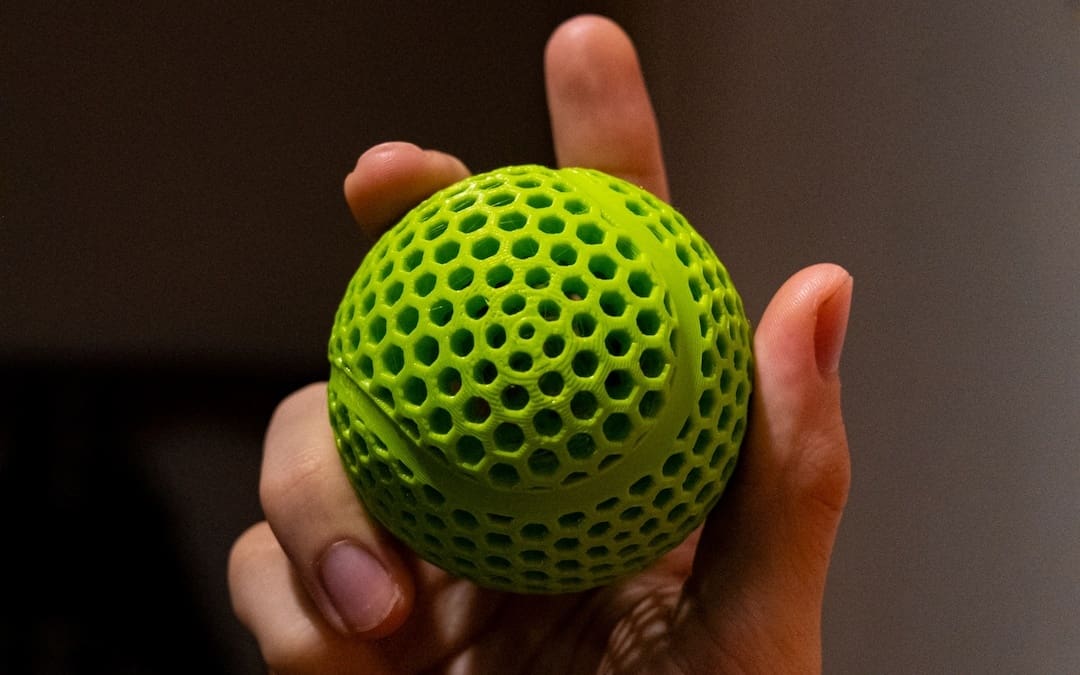
You may have seen similar airless ball designs bouncing around. Now, we have an airless tennis ball to play with as well. The ball is designed to withstand impacts and provide a similar experience to a traditional tennis ball without requiring any inflation to keep its bounce. The model doubles as a pickleball as well.
For the best bounce, TPU with a Shoreness rating of 98A is recommended, as lower ratings will dampen the ball’s bouncing capabilities. You can also use PLA Flex, as shown by the designer’s images. If you’re interested in these airless ball designs, filete3d has plenty of other designs available for different sports.
- Who designed it? filete3d
- How printable/popular is it? This is quite a popular model, with over 41,200 makes and 61,300 downloads according to MakerWorld.
- Where to find it? MakerWorld
Traffic Cone
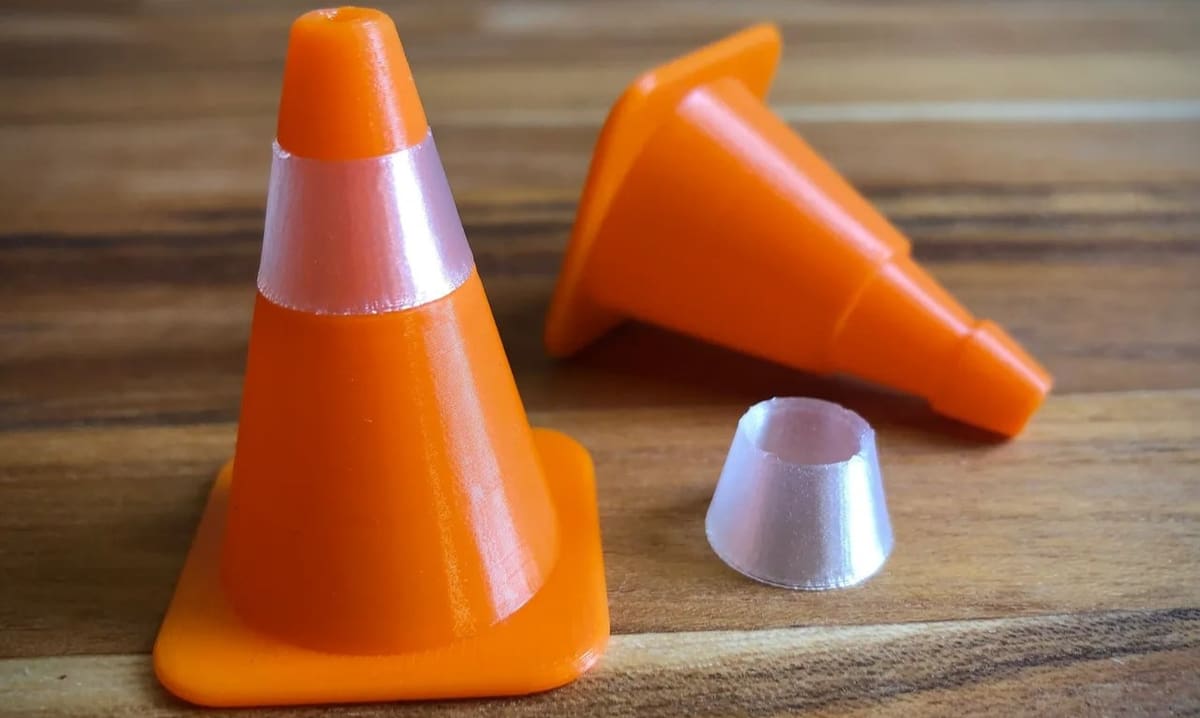
Whether used as a toy, desk decoration, or to organize small construction zones, this simple two-piece TPU print is sure to come in handy. The best part is, you won’t need to worry about supports.
The model in its original size measures 31 x 31 mm at the base and 41 mm in height, but you can also test larger sizes. There are makes reporting success with up to 130% increase in scale. If you’re experiencing stringing, the designer recommends aligning the Z seam to one side of the cone to reduce travel lines.
- Who designed it? AaronPark
- How printable/popular is it? This design already has 18 makes and over 1,200 downloads.
- Where to find it? Printables
Walking Stick Tips
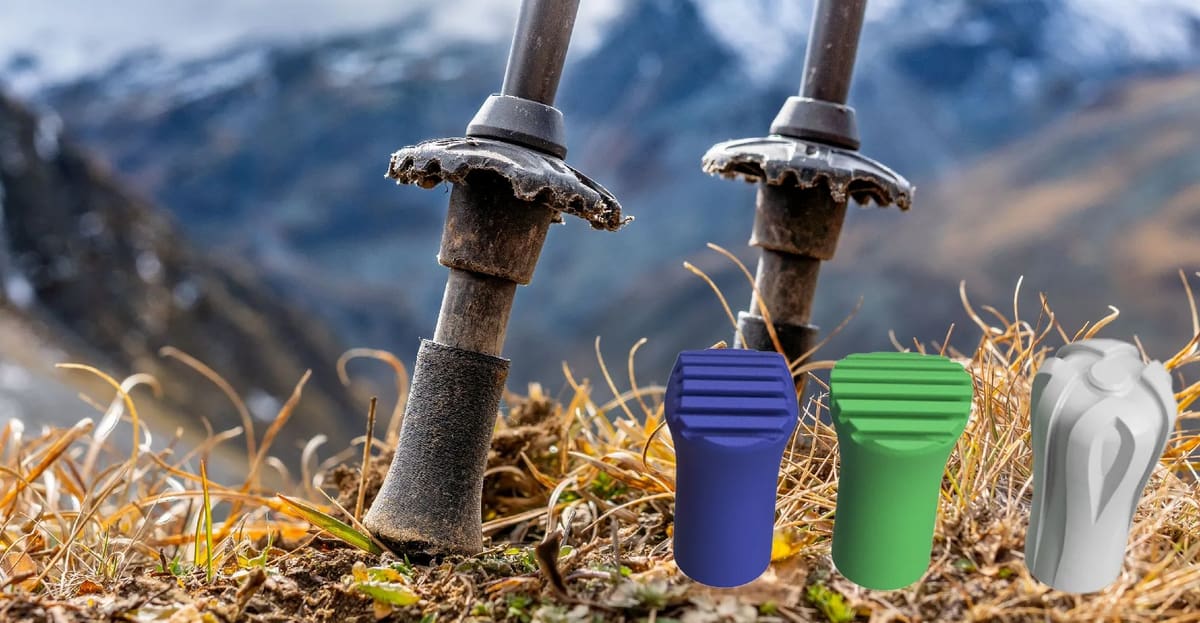
Why buy replacement trekking pole tips when you can print your own? This collection of support-free designs adapts to Leki hiking sticks and should work for other brands as well. Printed in TPU or other flexible rubbers (tested from soft TPE up through TPU-CF), the set includes multiple shapes tailored to different terrain and grip preferences: Crown for all-around use, Spike for hard or rocky surfaces, Rough Angle for angled rubber traction on mixed terrain, Bigfoot and Bigfoot Slim for softer ground, and Urban for broader damping on pavement.
Installation is simple—just press the tip onto the pole and give it a firm stomp to seat it in place. Whether you’re optimizing for grip, footprint, or terrain type, these printable tips let you customize your setup and have some fun with your trekking gear.
- Who designed it? Meister Edel
- Where to find it? Printables
Slingshot
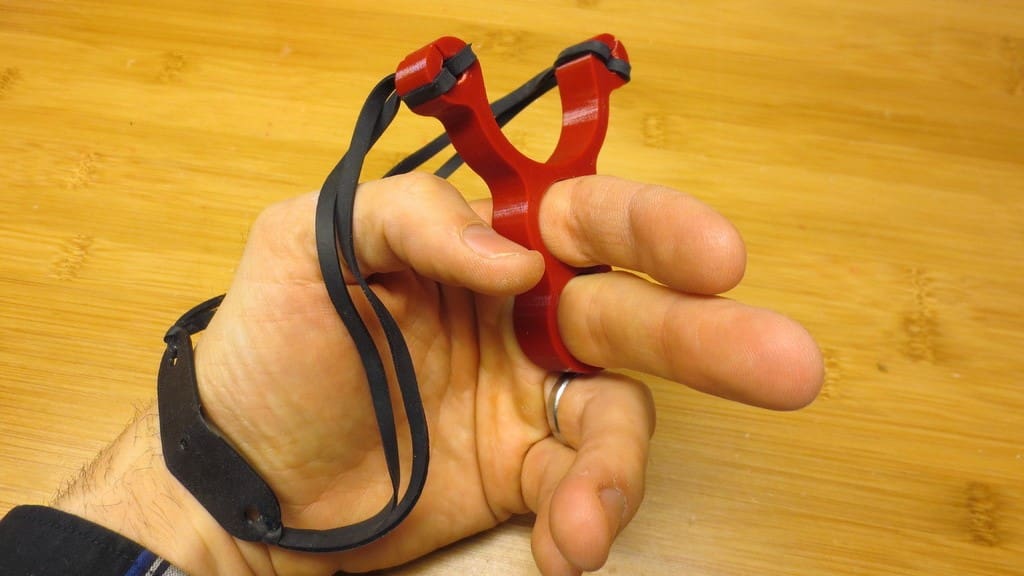
This slingshot won’t disappoint! Despite its small size, it works really well and beats the rubber band-through-the-fingers variant by a long shot. The maker hints at large marshmallows for ammunition; so beware, food incoming!
This print is very simple, and as there are no overhangs, does not require any supports. The creator used Priline TPU, but any flexible material should work. Additionally, the model comes in three sizes to accommodate different finger sizes.
- Who designed it? MechEngineerMike
- How printable/popular is it? This slingshot has over 8,200 downloads and 12 posted makes.
- Where to find it? Thingiverse
Bike Grips
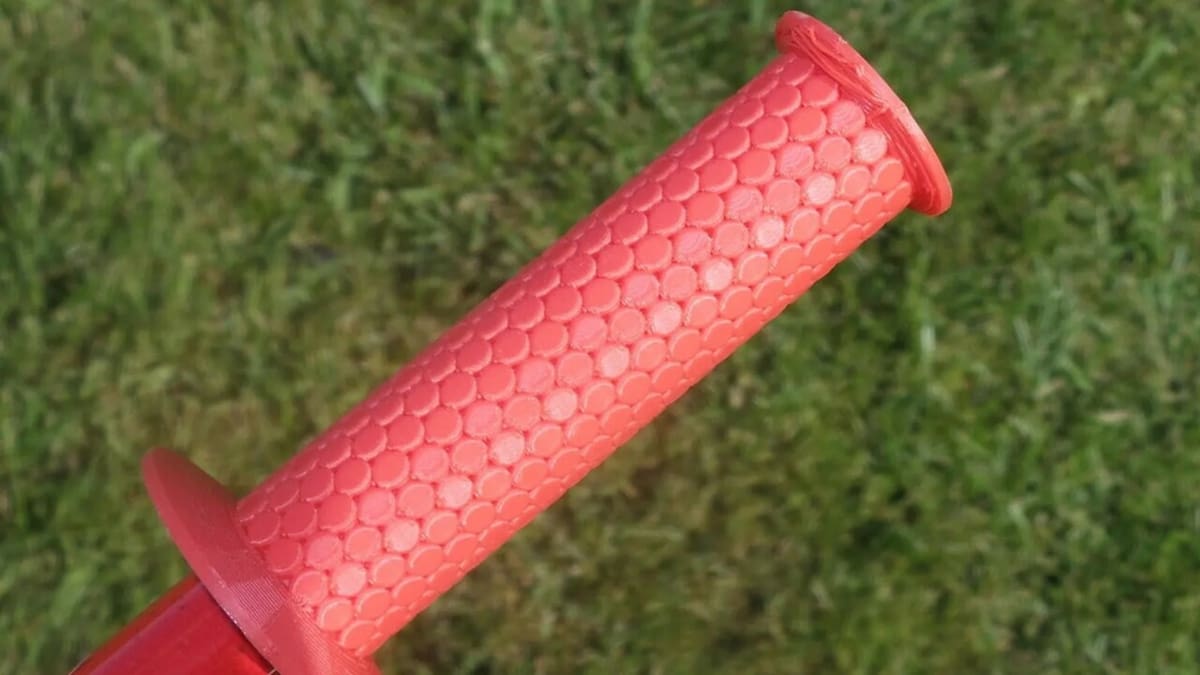
How about customizing your bike with a stylized grip? Or simply replacing a worn-out one? For those who love sports and bikes, it’s always good to have options at hand. Sizes are for bikes with 7/8 handlebars.
For flexible printing, it’s recommended to reduce the size a little for a tighter fit, and no supports are needed. If you want to make any modifications, there’s a link on the template page that takes you to Tinkercad.
- Who designed it? jayden17
- How printable/popular is it? So far, 14 makes have been shared.
- Where to find it? Printables
+ How to Print Flexible Materials
Choose the Right Material
When purchasing a spool of TPU, the Shore hardness is your primary specification. This scale measures a material’s resistance to indentation – essentially, how “squishy” it is. The higher the number, the harder the material.
- The Sweet Spot (95A – 98A): Most standard TPUs sit in this range. They are roughly as hard as a shopping cart wheel or a rubber heel. This is the easiest flexible material to print with. Recommended for beginners.
- The Soft Stuff (60A – 85A): Filaments in this range feel more like a rubber band or soft shoe insole. While they offer superior flexibility, they are significantly more difficult to feed through the extruder and often require specialized setups.
You don’t always need a softer filament to get a softer part. By reducing your infill density and wall count (perimeters), you can make a “harder” 95A TPU feel surprisingly soft and pliable. Additionally, materials like VarioShore TPU alter their density and hardness based on the print temperature. For more information, refer to our guide on flexible materials.
Pick the Right Settings
A common myth is that you must completely disable retraction for flexible materials. This is true for older, Bowden-style printers, but modern direct-drive extruders handle retraction quite well. Disabling it entirely often leads to severe stringing (that “hairy” look).
Because TPU is elastic, it acts like a spring inside your extruder. If you pull it back too quickly or too far, it stretches rather than retracts, leading to inconsistent pressure or clogs.
Popular slicers switch to the appropriate settings when you select the right material profile. This is a good starting point for experimenting. These are the parameters you want to explore:
- Don’t turn retraction off, turn it down: Keep retraction distances short (e.g., 0.4 mm – 0.8 mm for Direct Drive) and speeds slow to avoid “yanking” the filament.
- Dry your filament: Often, what appears to be a retraction issue is actually moisture. Unfortunately, TPU absorbs water from the air. If your print looks fuzzy or you hear popping sounds, no amount of retraction tuning will fix it – you need to dry the filament first.
License: The text of "TPU 3D Prints: 30 Useful Designs Only Possible with Flexible Materials" by All3DP is licensed under a Creative Commons Attribution 4.0 International License.