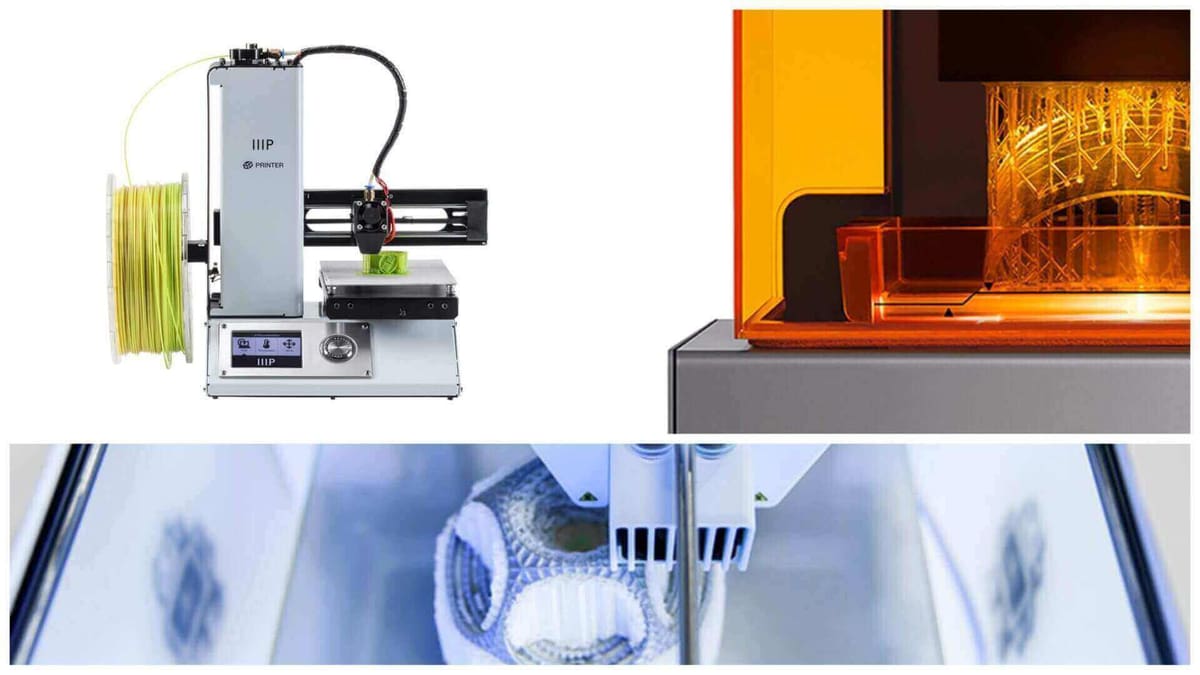
Where to Buy a 3D Printer & Which to Buy?

Where should I buy a 3D printer? Which should I buy? There is an overwhelming number of choices, so let us boil it down a bit for you.
Not so long ago, 3D printers were confined to industry-only use, costing tens of thousands. Nowadays, it seems like consumer printers are available at every corner, with more popping up by the day. Such choice comes with the luxury of dropping prices, meaning you can pick up a decent printer for as little as $200. The difficulty is in choosing the right one.
While we’re not going to help you choose the specific printer for you here (though our 3D printer buyer’s guide can help there), we will point out some things to consider before you buy a 3D printer: What type of 3D printer is right for you? How much should you spend? And where’s the best place to buy one?
To answer these questions, and more, we’ve compiled this guide to point you in the right direction with respected retailers, potential pitfalls, and helpful links.

Question #1: Should I Buy a 3D Printer?
Before you start shopping, first think about the things you want to 3D print and how often you’ll do so.
If you’re eager to try out the technology, you can always check out a fab lab or makerspace in your area before investing. Depending on your needs, a 3D printer can be expensive and have a steep learning curve. Talking with experienced users of 3D printers will quickly help you sound out if the technology is right for you, and maybe even take your first steps in learning how to use it, since such spaces typically have machines members can use – try before you buy!
If you only need a single part printed on occasion, you might be better off using a 3D printing service such as Craftcloud.

If none of the above float your boat, let’s assume you are buying a printer and continue with the questions.
Question #2: What Type of 3D Printer Should I Buy?
Currently, there are 11 major 3D printing technologies, of which only a small handful are relevant to home 3D printing and desktop 3D printers.
You likely do not want to invest in a $100,000 3D printer capable of sintering metal, so instead, we’ll direct your attention to two branches of 3D printing technology, fused deposition modeling (FDM) and vat polymerization (typically, SLA, DLP, or MSLA).
Should I Buy an FDM 3D Printer?
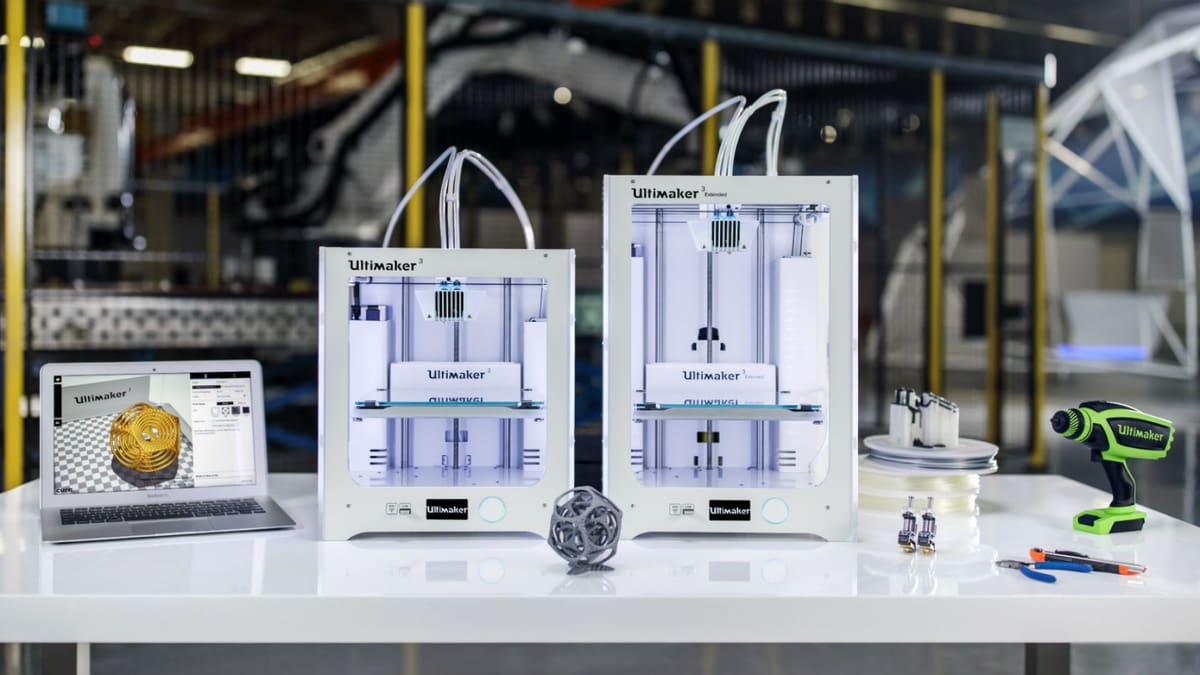
Fused deposition modeling (FDM) is the most common printing method used in desktop 3D printing.
A thermoplastic filament is heated and extruded through a nozzle, depositing the molten plastic in layers on a print bed. These layers are fused, building up throughout the print and eventually forming the finished part.
Such 3D printers are a cost-effective means for product development and rapid prototyping in small business and make for a great educational tool in schools. For home use, they can produce simple replacement parts quickly, and many are put to use creating elaborate decorative items and even costumes.
There are many advantages to using an FDM 3D printer. Primarily, material choice is vast, with inexpensive colorful filaments rubbing shoulders with engineering-grade plastics. They are easy to use but can require lots of maintenance if something goes awry.
We keep tabs on the best FDM printers for home use, making it easy to find the right printer for you.
Should I Buy a Resin 3D Printer?
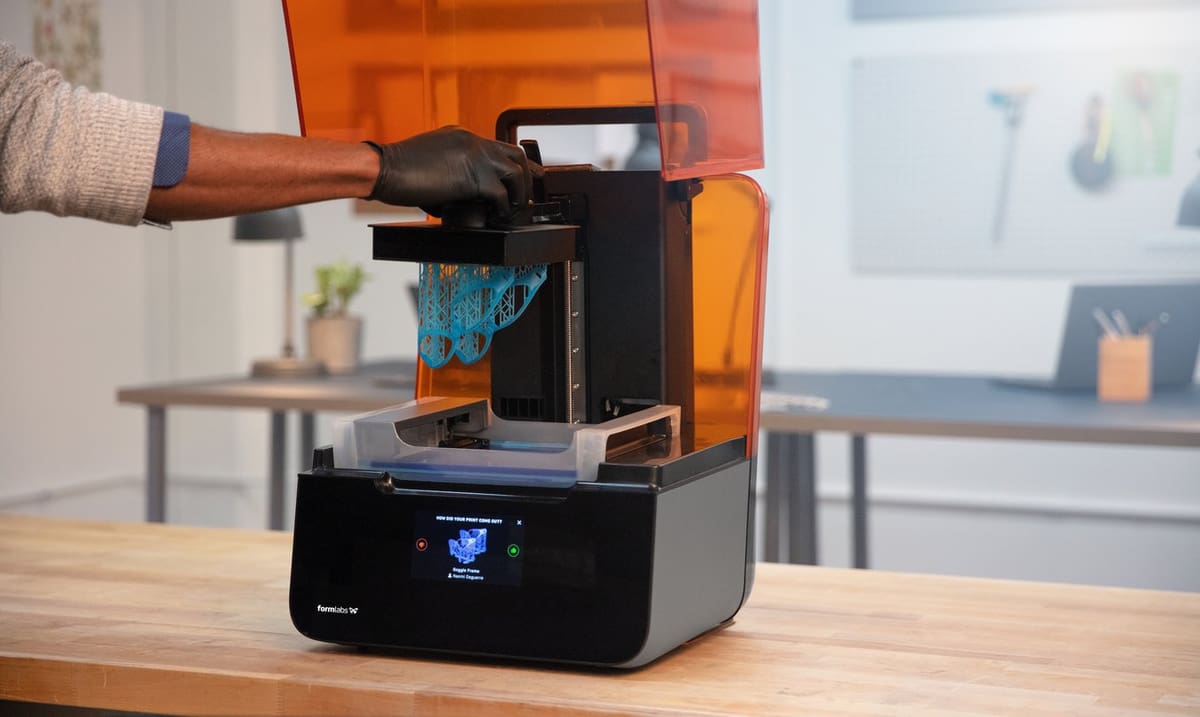
Resin 3D printers use vat photopolymerization, which is the process of hardening a liquid polymer by exposing it to ultraviolet (UV) light.
The desired model is constructed layer-by-layer in a vat of liquid photopolymer resin by shining ultraviolet light through the vat’s transparent bottom, selectively hardening the resin. Fixed to a platform that repositions after each layer, the object is drawn through the pool of resin.
Stereolithography (SLA) is often used as a synonym, but is also itself – alongside MSLA and DLP – a subcategory of vat polymerization, differing only in the light source used.
Resin 3D printers can render extremely fine detail, often creating relatively smooth-surfaced objects. The technology is generally faster than FDM and can create stronger objects because of the increased layer adhesion.
There are fewer budget-friendly SLA machines than there are FDM 3D printers – resin printers often find use in a professional context – however, prices have dropped dramatically in recent years, making this technology widely accessible. A good budget desktop resin printer can be picked up for as little as $179.
Question #3: How Much Should I Spend on a 3D Printer?
Exactly how much you spend on a 3D printer is going to be largely based on your personal situation, of course. Our recommended 3D printers can be had for as little as the Creality Ender 3 for $189 or as much as the Dremel DigiLab 3D45 for $1,899. Of course, you can go far beyond that price should you choose to look for more professionally targeted systems.
That’s a big range to choose from, but we can boil it down by looking at a few key considerations. For simplicity’s sake, we’ll compare FDM printers that demonstrate these considerations below to make our point.
Size
3D printer cost and size are extremely relative. You can get an absolutely exceptional printer in a size somewhat limited by today’s standards for much less than marginally larger counterparts. Let’s take the Artillery Genius Pro for example, which at a build volume of 220 x 220 x 250 mm goes for just $349. Compare that to the Artillery Sidewinder X2, a 300 x 300 x 400 mm printer with feature parity otherwise, at $489 and you can really see the savings.
Large printers are great for getting more build volume to work with, but a larger gantry can also open you up to considerably more shaking and lead to poorer quality prints. Think about the space that you’ll honestly need for a 3D printer, if that’s a somewhat lower volume you can save yourself some money and, potentially, a bit of hassle.
Features
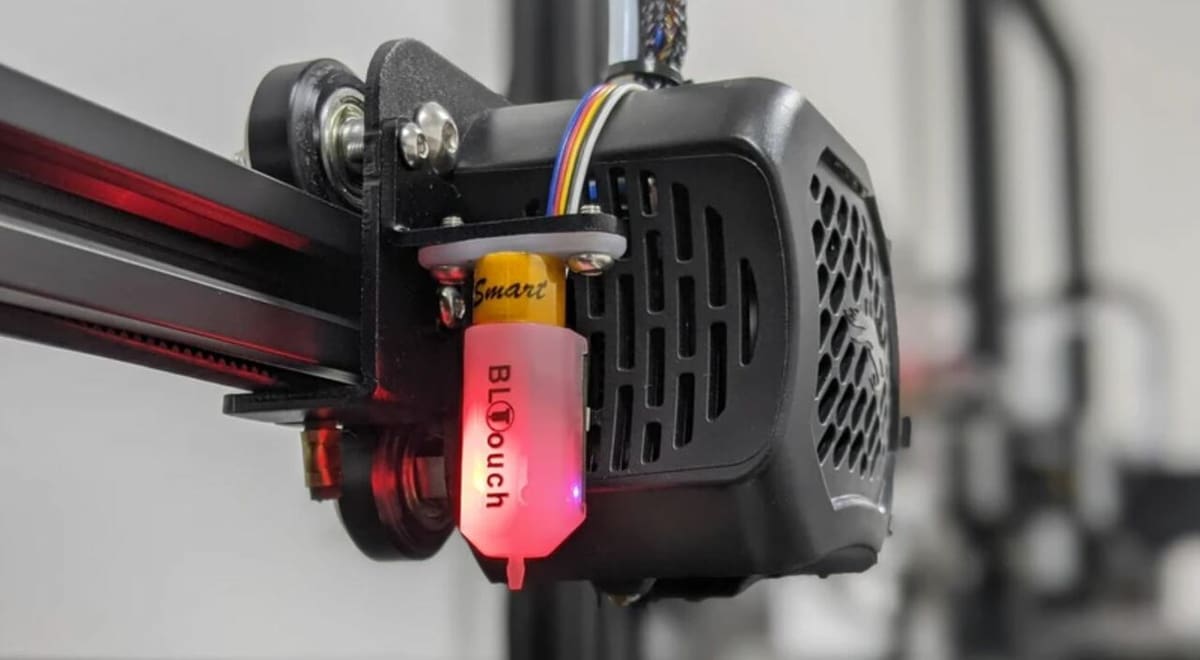
There are a ton of options out there to set your 3D printer up just right, and deciding what you’d like to have out the gate – and whether you’re comfortable getting your hands dirty to upgrade some features later – can help you settle on the right purchase price.
A few often considered features include: bed leveling, connectivity, user interface, motion systems, extruder category, and so many more choices that it could be its own article. The gist is, pick a few features that are important to you and prioritize that. If you’re comfortable adding simple things later, like a BLTouch for auto bed-leveling, or changing things a little more drastically, like an extruder conversion, omit those features when buying.
For example, we’re great fans of fixed beds with touch-probe sensors for automatic bed leveling. It can be tough to effectively convert a non-fixed bed, so we might start our budget where decent fixed-bed printers begin. For us, that would be with the Creality CR-6 SE at $379.
Quality
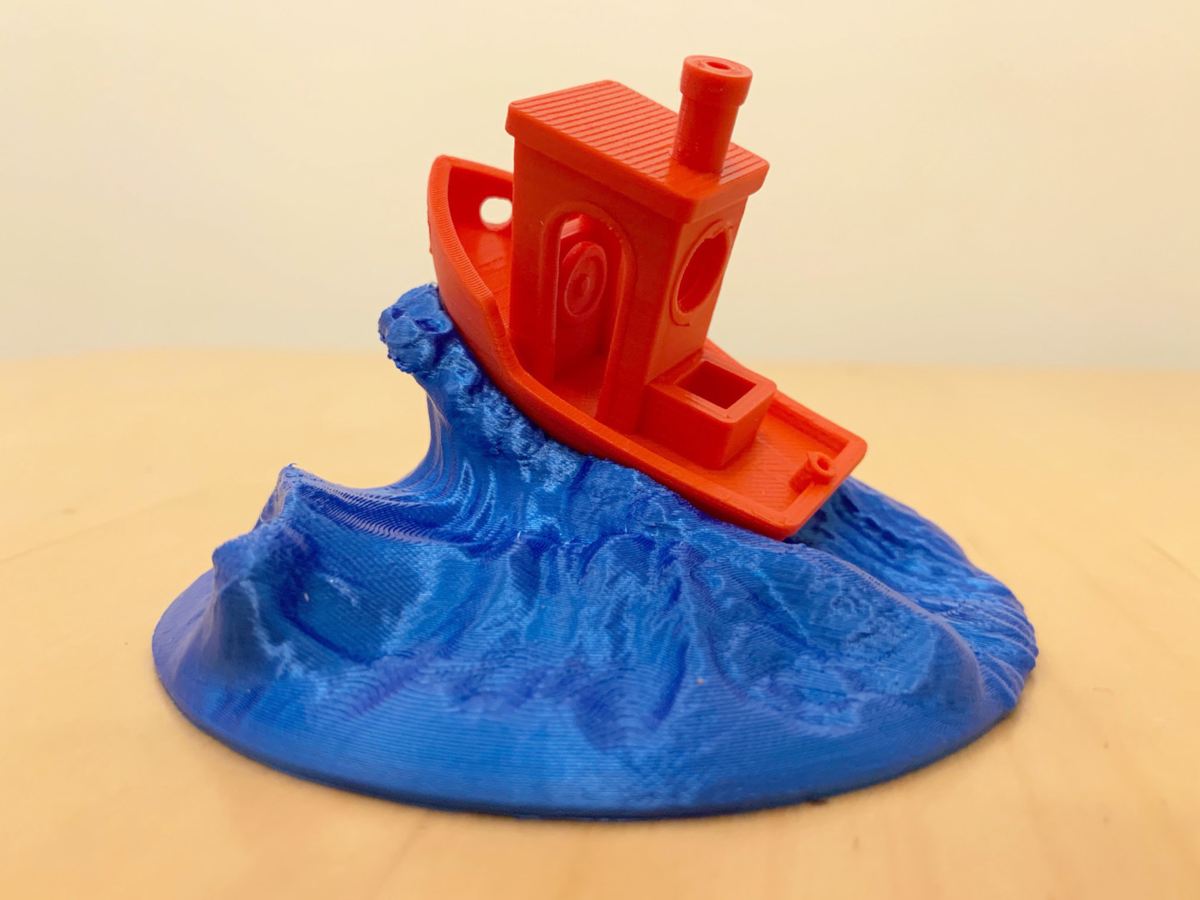
Sometimes products are hard to quantify precisely, and if you’re not an engineer a product that “just works” might seem a bit like magic. If you don’t want the hassle of tinkering with your machine and just want good results, you should go with a system known to produce high-quality parts and perform reliably.
In our opinion, the category of “no fuss, no muss” high-quality 3D printers in the FDM category starts with Prusa Research’s Original Prusa i3 Mk3S+ for $749 ($999 pre-assembled), and goes all the way to much higher-priced systems targeting more professional users such as the Ultimaker S3 at >$4,000 and more — with plenty of offerings in between, of course.
Question #4: Where Should I Buy My 3D Printer?
If you want to buy a 3D printer today, there are three general categories of store to turn to: Amazon, direct-from-China online retailers, and some regional brick and mortar stores. Below we take a closer look at them, outlining the advantages and disadvantages of each.
Amazon
Reputation: Amazon is a great source for buying 3D printers. It offers lightning-fast delivery, has most items in stock, and is highly reliable.
Prices: The printers Amazon tends to carry are lower-priced ones. Its prices are decent – they’re not overpriced, but not super cheap either – but, unlike the Chinese online stores, they do not offer the same kinds of flash sales. Lastly, there are no hidden fees and not a lot of price fluctuation.
Ease of Use: Most people are already quite familiar with how Amazon works. It’s a relatively straightforward website with the added perk of being able to buy anything else that comes to mind while placing your 3D printer order.
Special: Some Chinese 3D printers, like the popular Creality Ender 3, are sold on Amazon using a variety of brand names, such as Comgrow. These are still printers direct from the OEM. Similarly, other vendors buy up stock from the likes of Creality and rework them, or simply rebadge them and sell them on, offering their own customer support. It can be quite confusing, but some sense can be made of it with further research online.
Return Policy: Amazon might have the best return policy, offering a 30-days withdrawal period for all new and unopened items.
Selection: At the moment, Amazon carries most popular brands. You may not see absolutely everything the tech megalopolis Shenzhen (where most 3D printer manufacturers in China are based) has to offer, but the big names are there.

AliExpress, GearBest, Banggood...

Like Amazon, the following major Chinese online retailers are proven, reputable vendors. Their pricing does tend to fluctuate a lot, so it’s a good idea to shop around and compare them against one another to find the best deal. Be warned though – the cost of a printer can change from one day to the next – you’ll want to compare only when you’re ready to buy.
Customs
Please keep in mind that depending on where the 3D printer is being delivered from, it could get stuck at customs and become subject to import fees, delaying the delivery and landing you with an unexpected expense.
Warehouses
Check the warehouses these vendors are using. If you’re looking to get your purchase quickly and avoid the risk of customs, try ordering it from a warehouse that’s in your region. It’s often the case that you can select a local warehouse option, cutting delivery times, and eliminating the risk of unexpected customs fees. If you order from abroad, note that this will likely also make returns more difficult and expensive!
AliExpress
Reputation: AliExpress is a popular online retailer with a well-rounded 3D printer offering. It is the sister store to AliBaba which, curiously, offers many of the same items.
Prices: The prices can often be lower than on Amazon or other sites, but, as mentioned above, they fluctuate a lot. Depending on the seller, you can get free shipping.
Ease of Use: Though AliExpress offers a vast range of items, it’s not the most accessible online retailer to navigate. In fact, it’s a bit of a mess. Their product names – especially when translated – often appear to be a jumble of conflicting keywords.
Return Policy: AliExpress’s return policy lets you request a refund up to 15 days after your order has been completed. Whether you foot the return shipping bill depends on the seller and their policy. In many cases you will be liable for it. Sometimes, the cost of return shipping can be more than the product itself, so think twice about ordering from them if you think there’s a possibility of returning it.
Selection: AliExpress offers a wide range of printers and, depending on what you buy, ships items from different locations to reduce the shipping time. Most budget Chinese printing manufacturers have official storefronts and sell directly through AliExpress.

Banggood
Reputation: With a solid reputation, Banggood sells a range of products and ships internationally. Among all the Chinese online retailers, it’s the most like Amazon.
Prices: They often have deals on printers which are worth checking out to make sure you’re getting the lowest price for your machine. The shipping fees vary.
Ease of Use: Banggood is relatively simple to use. Sometimes, the product descriptions can be confusing, especially in languages other than English. Lastly, the shipping time for products can range from anywhere between five days to 50 days, depending on the warehouse.
Return Policy: If your product malfunctions, you have seven days to return it free of charge. For any other reason, you have a 30-day time window to return unopened or unused items, but you’ll be on the hook for the return fees.
Selection: Banggood offers a decent range of printers, so it’s worth checking out, especially if you’re hunting for a deal. Act fast though – the prices tend to bounce around.

GearBest
Reputation: Although sells everything from clothing to watches and jewelry, it is best known for wholesaling electronics.
Prices: Like the above stores, the prices fluctuate a lot. However, GearBest does have frequent sales and discounts. Be aware that some items may ship from the GearBest’s Chinese warehouse, where shipping will take longer, and there could be customs fees.
Ease of Use: This site is generally quite easy to use. On average, shipping can take from a few days to more than 20 days, depending on where you and the warehouse are located.
Return Policy: Gearbest offers a 30-day return policy, but does require you to pay return shipping if you’re sending back a fully functional item. If the item is defective, you don’t have to pay return shipping.
Selection: They offer a broad range of mostly budget 3D printers.

Specialized 3D Printing Online Stores

Direct-from-China retailers and Amazon are less likely to stock big-ticket professional printers, and generally do not offer specialized after-sale support to help you hit the ground running with your 3D printer. So, if you’re looking for a professional machine or the personal touch or a sales representative you know by name, check out an online store that exclusively sells printers and 3D printing-related items.
It’s worth noting though, that while many vendors ship internationally, they don’t have warehouses on different continents. Know where the store you’re ordering from is based to avoid the pitfall of import fees and delayed shipping.
MatterHackers
Reputation: California-based company MatterHackers supplies everything for 3D printing to US and Canada-based customers – from 3D printers themselves to filament, software and accessories. The company even produces its own 3D printing materials, and holds an excellent reputation based on its expertise.
Prices: The company sometimes has deals and sales you can take advantage of, including its version of Black Friday – Blue Friday.
Ease of Use: MatterHackers offers free shipping within the U.S., a huge perk if that’s where you’re based.
Return Policy: Its return policy gives you 30 days, but does charge a 15% restocking fee if the item isn’t defective, so take the time to make sure what you’re buying is exactly what you want.
Selection: You’ll find a wide variety of machines. Few that we consider budget, but the lineup changes regularly.

3DJake
Reputation: A well-respected Austrian-based retailer that services internationally is 3DJake. Like MatterHackers, 3DJake also produces its own filaments and resins.
Prices: There are usually a few deals to take advantage of on 3DJake, sometimes bringing budget printers down to competitive prices with manufacturer prices.
Ease of Use: The website is well organized with clear categories, making it easy to navigate. 3DJake offers free shipping for purchases above 48 Euros within much of Europe (there are exceptions), but ships internationally for regular fees.
Return Policy: The store offers a 30-day return for unused products and store credit beyond that period. Customers outside the EU incur return shipping fees, though.
Selection: There’s a good variety of 3D printers available on 3DJake, with most reputable budget and consumer printers available. They have less in terms of professional printers, however.

Dynamism
Reputation: Dynamism enjoys a stellar reputation thanks to its impeccable customer service. Customers receive a “technology concierge” to personally support them via phone and email before and after a sale.
Prices: Unlike many other sites, Dynamism is not a great source to find exceptional deals or discounts.
Ease of Use: The site is easy to navigate, and making an informed purchase is simple through its easily reachable customer service team.
Return Policy: Similar to Matterhackers, they offer returns within 30 days of receiving the order, but you will be liable for the shipping costs and a 15% restocking fee for non-defective items.
Selection: They offer a great range of professional 3D printers, including Ultimaker and Formlabs.

iGo3D
Reputation: If you’re in the EU, iGo3D is a well-established and reputable supplier. It’s mostly focused on professional users, which is why they have some professional categories like dentistry and metal.
Prices: The prices on iGo3D are generally on par with MSRP, but there’s not much in the way of sales. If you’re buying here you’re probably looking for the higher level of service they offer.
Ease of Use: The website is well organized and easy to navigate. iGo3D offers its own customer service for purchase advice and even in-field training. So if you need to get up and running fast they’re a good option for some extra support.
Return Policy: The company offers a 1-month return window under the EU “right of withdrawal” terms. They’ll refund the purchase and standard delivery costs, but the customer bears return shipping.
Selection: iGo3D offers a good range of professional 3D printers including Ultimaker, Formlabs, and large-format printers like Modix with a cubic-meter build volume. They also carry some of the more reputable budget brands like Creality and Anycubic.

3DPrintersBay
Reputation: 3DPrintersBay is a US-based worldwide retailer that specializes in 3D printers themselves and upgrade hardware — no consumables to complicate its offerings.
Prices: Uniquely, the company offers a best price guarantee. It has no warehouse of its own, claiming to cut costs by about 20% by building manufacturer relationships to liason direct deliveries instead. They sell for a minimum retail price (MRP), but it’s unclear whether you can talk its prices down further if you happen to find an even lower price.
Ease of Use: The streamlined offering on 3DPrintersBay helps ensure it can give hardware customers the support they deserve. It offers purchase advice to customers and maintains a blog with lots of advice for beginners that can help them make a decision.
Return Policy: There’s a 14-day return period for which the buyer bears the cost of return shipping. Also unique to 3DPrintersBay, they accept “slightly used items” within this 14-day period, but these returns come with a 15% restocking fee.
Selection: As a consumer-focused retailer, 3DPrintersBay offers most reputable budget brands. However, because of their unique supply arrangements, its selection is limited to those manufacturers a deal has been struck with.

License: The text of "Where to Buy a 3D Printer & Which to Buy?" by All3DP is licensed under a Creative Commons Attribution 4.0 International License.
CERTAIN CONTENT THAT APPEARS ON THIS SITE COMES FROM AMAZON. THIS CONTENT IS PROVIDED ‘AS IS’ AND IS SUBJECT TO CHANGE OR REMOVAL AT ANY TIME.