3D Bioprinting
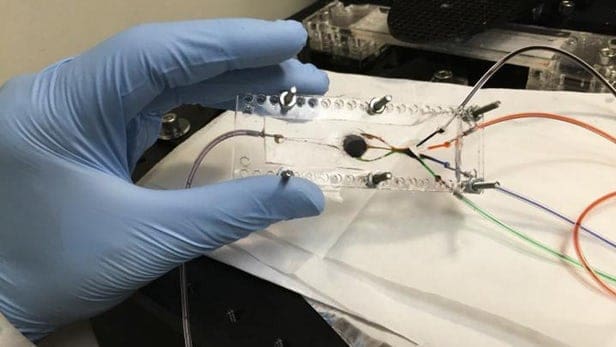
Researchers from UCLA have developed a SLA-based bioprinter that is able to create therapeutic biomaterials from multiple materials. This advancement could potentially be used for on-demand printing of complex artificial tissues for use in transplants and other surgeries.

Aspect Biosystems has been busy working on 3D bioprinting technology. Now, the company secured a substantial investment to speed up its commercialization. 3D bioprinting is undoubtedly one of the most exciting and also challenging 3D technologies currently in development.
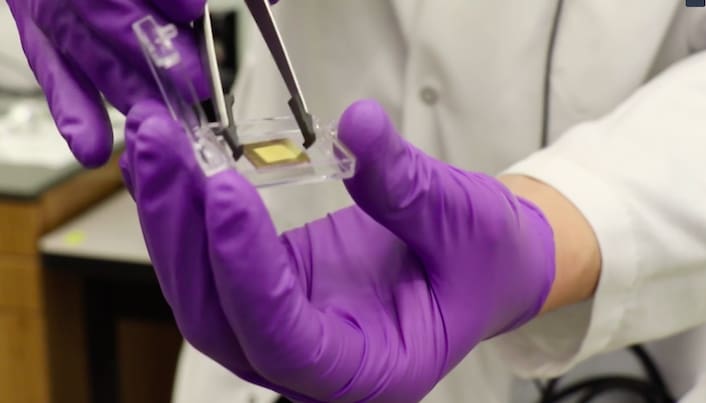

By embedding platelets into a 3D printed mixture of cells and gel, a team of researchers at the University of Nebraska-Lincoln hope to improve the healing properties of tissue implants and skin grafts with printable body tissue.
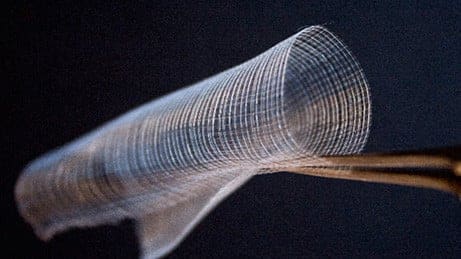
Researchers from the University of Michigan have developed a new 3D jet writer that allows them to print high-resolution polymer as microtissues. These tiny tissue structures are able to facilitate cancer cell growth, allowing for improved drug development and testing.
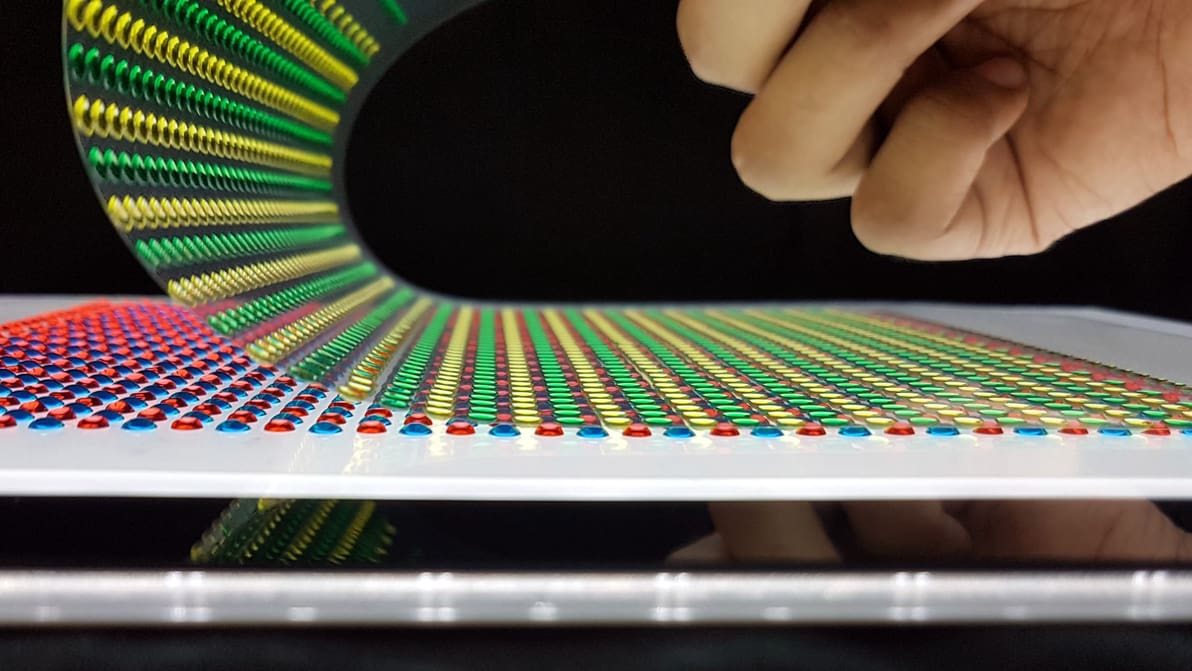
A sheet of bioprinted hydrogels -- inspired by the electric eel -- is capable of delivering 110 volts of electricity. It has potential to become a soft power source which draws on a biological system's chemical energy.

Researchers from Queen Mary University of London have developed a 3D bioprinting method that enables the creation of biological structures from cells and molecules that are commonly found in natural tissues.

A team of Chinese plastic surgeons and tissue engineers have devised a method to 3D print cells which assemble into a replica of a patient’s ear.

Researchers from the Singapore Institute of Manufacturing Technology are using 3D bioprinting method to control melanin-production in skin cells on a biomimetic tissue substrate, creating human-like skin pigmentation.
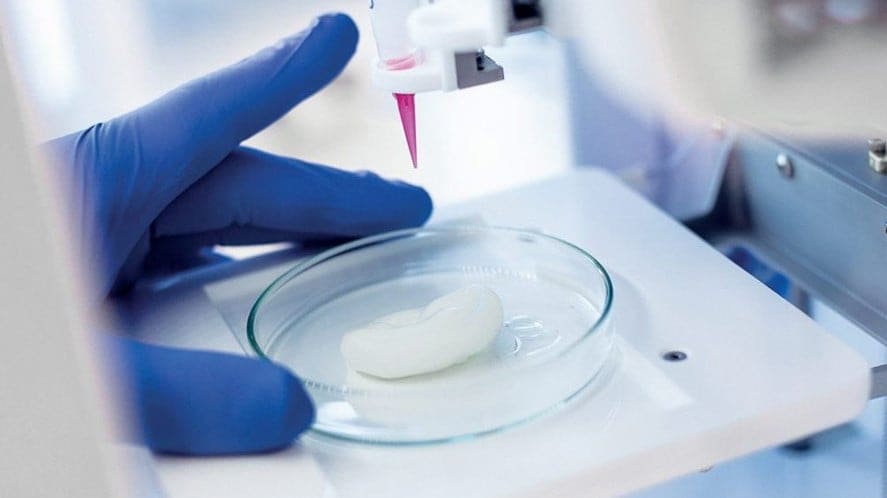
The Swedish bioprinting startup Cellink is working alongside CTI Biotech to 3D print replicas of cancer tissues in order to find more effective treatments.
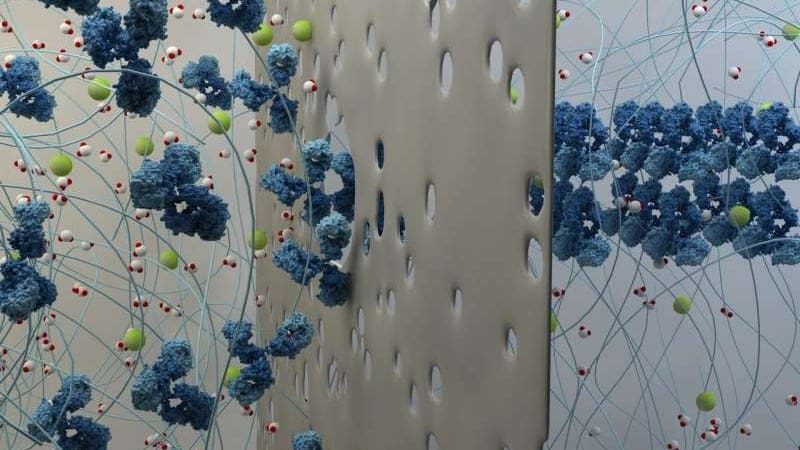
Scientists have developed an easy and affordable way to print biological environments without losing their chemical complexities.
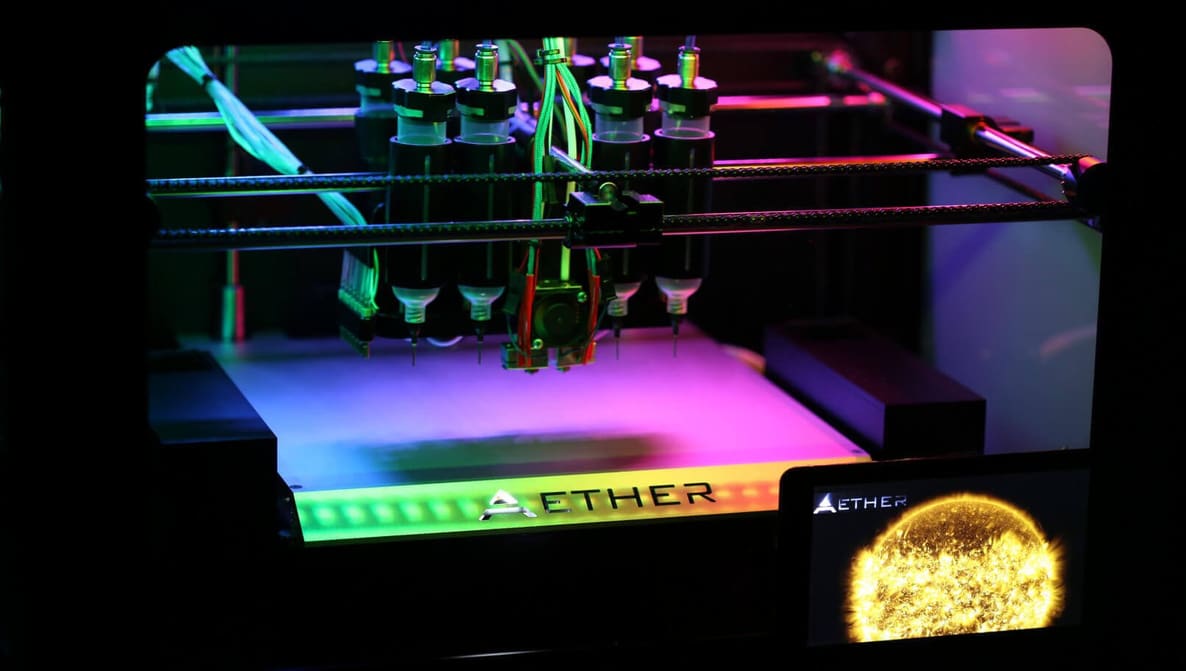
MIT and Aether are collaborating to provide students at the university with Aether 1 3D printers so they can research bio-materials, including Citrene.
International Stem Cell Corporation are using a new 3D bioprinting method to produce 3D liver tissue and help treat liver diseases.

New Jersey startup Modern Meadow unveils ZOA, an animal-free biofabricated leather material that is made from genetically engineered yeast.
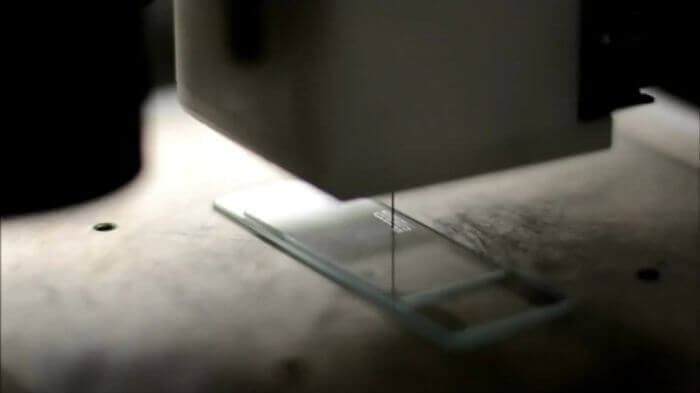
Australian scientists are using a special bio-ink made from stem cells to 3D print patient-specific brain tissue.

Researchers have developed biocompatible materials from apple waste, which can be used as matrices to regenerate bone and cartilage tissues.
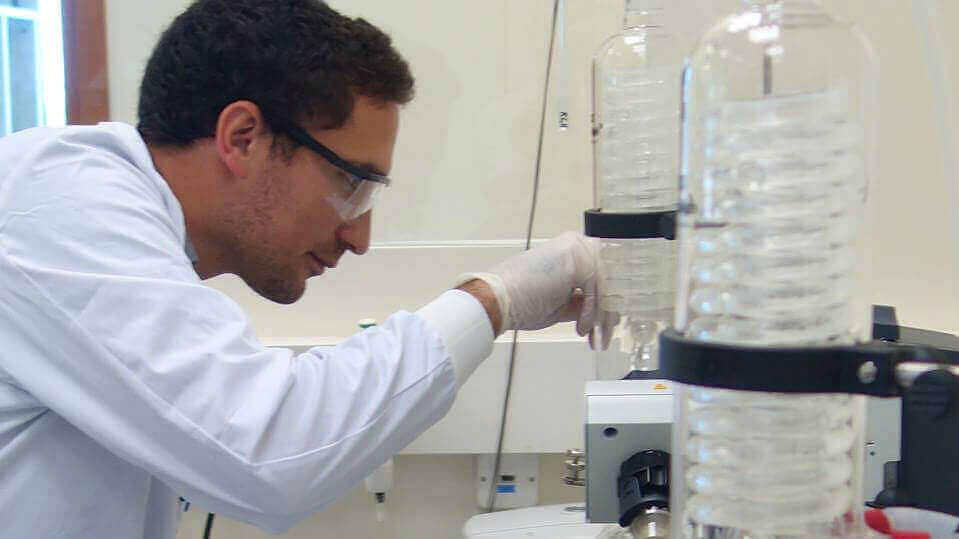
Israeli 3D printing company Nano Dimension has filed a patent application for 3D inkjet printing of multi-layered bioartificial structures.

Survivors of landmine blasts may soon benefit from 3D printed synthetic bone thanks to a £2.8m research grant at the University of Glasgow.
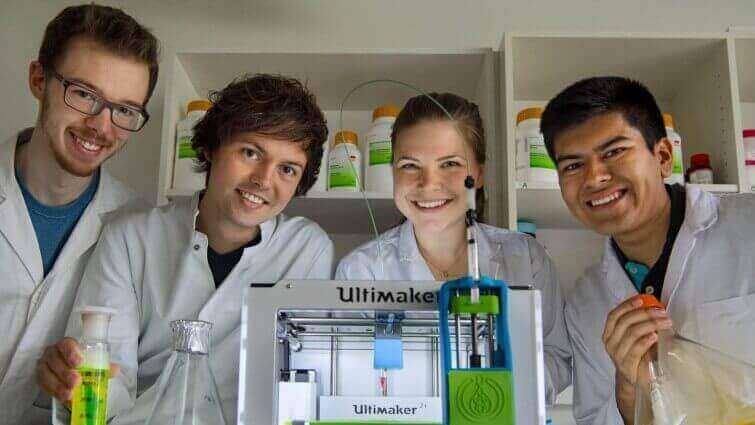
Bioprinting is becoming more sophisticated daily. Students from Munich, Germany, hacked an Ultimaker 2+ to 3D print biomaterials even more efficient.

Using 3D bioprinting and a DNA sample from 1888, an artist recreated the lost ear of Vincent van Gogh. And when you talk, the ear listens.