3D Bioprinting
Recent


Most popular
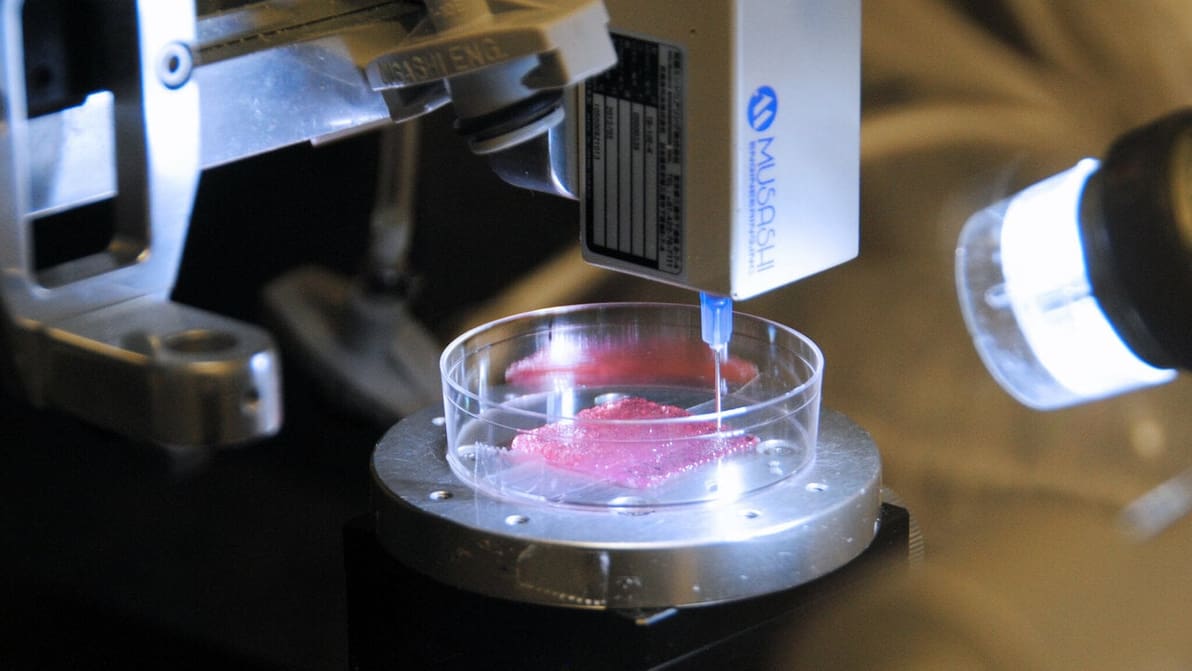
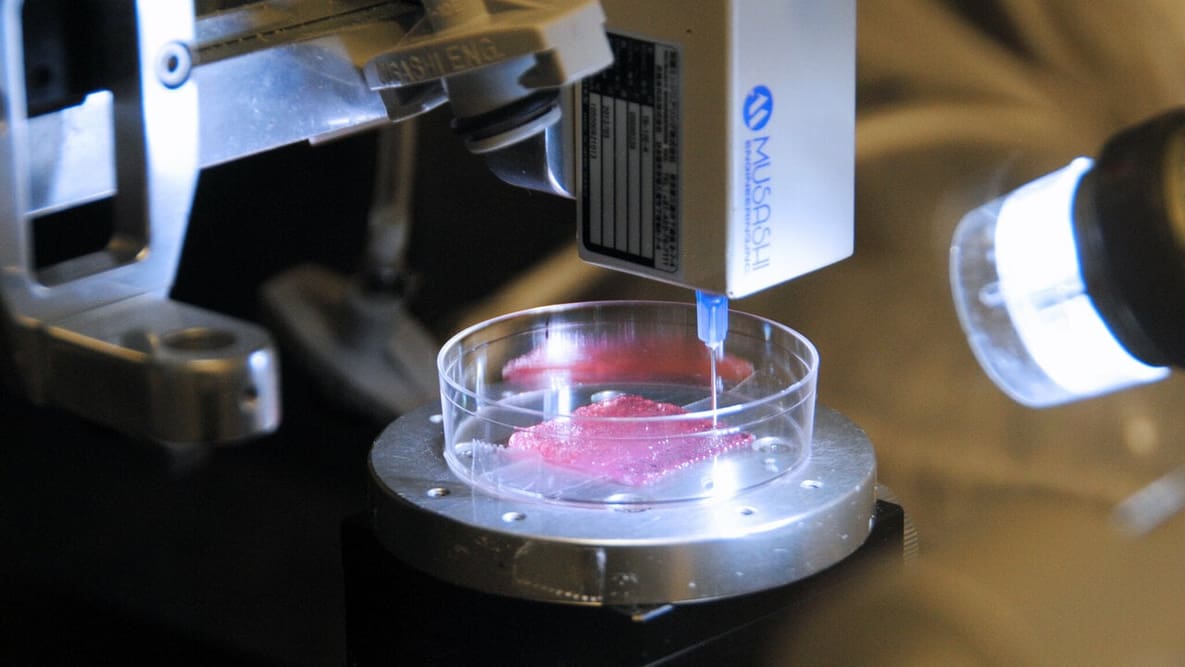
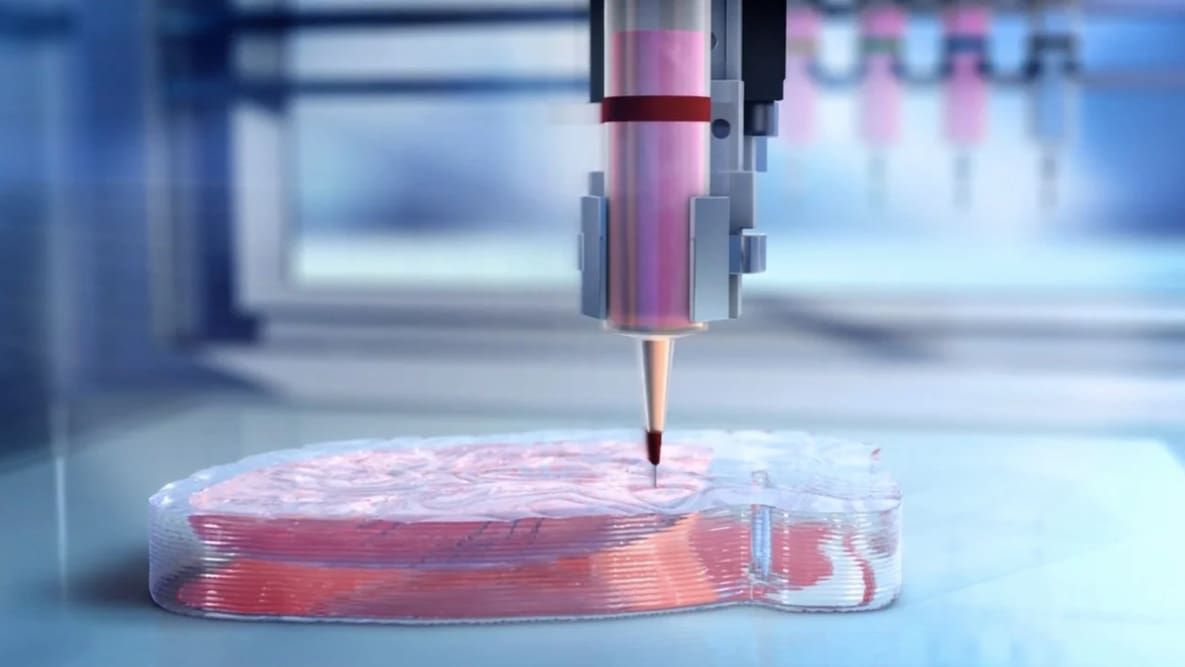
Interest and biomedical demand for 3D bioprinting continue to increase. Learn all about 3D printing in medicine.
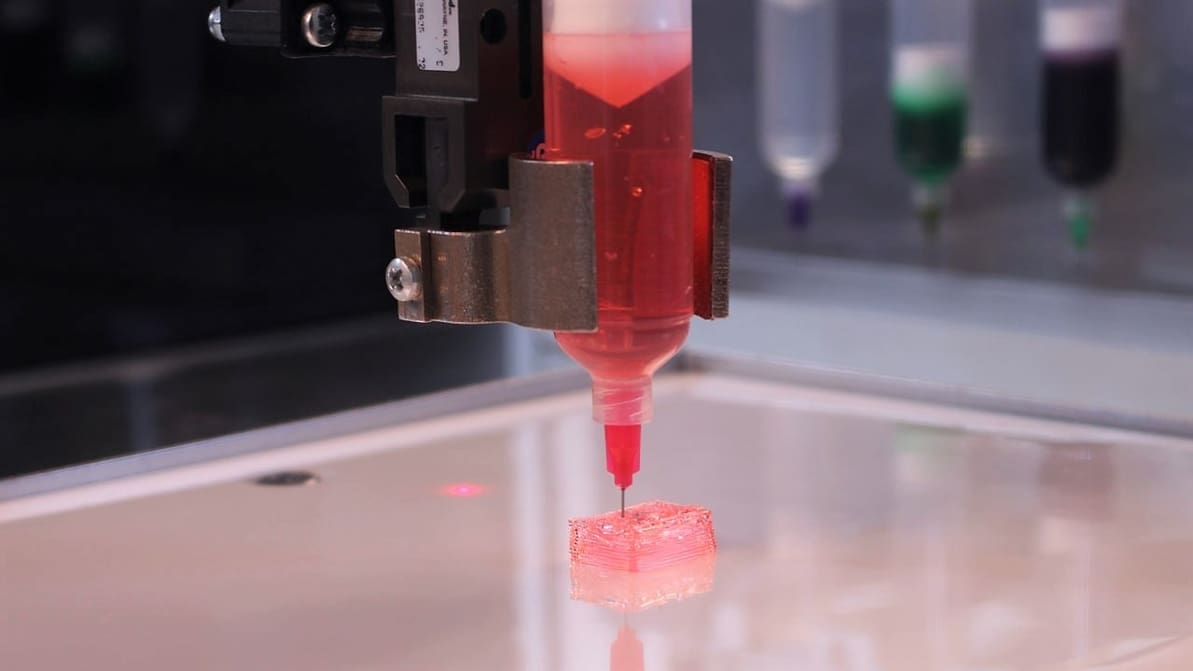
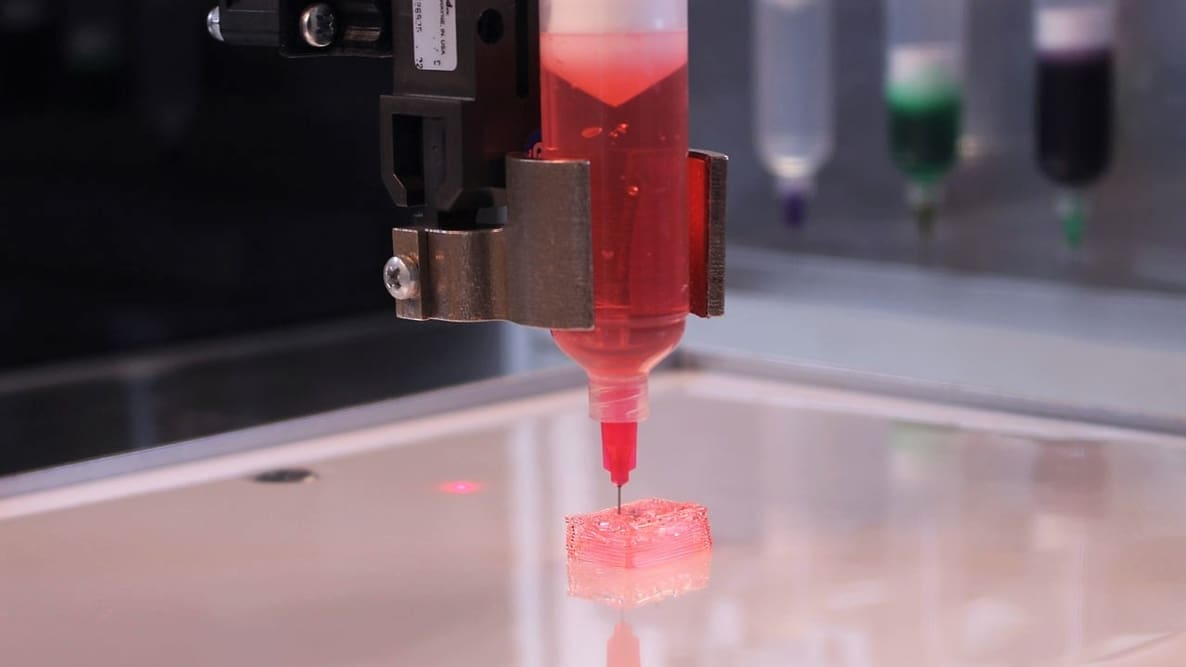
Bioinks are the “filament” of bioprinters. Have you ever wondered what's inside them or how they work? Let us give you the tour.
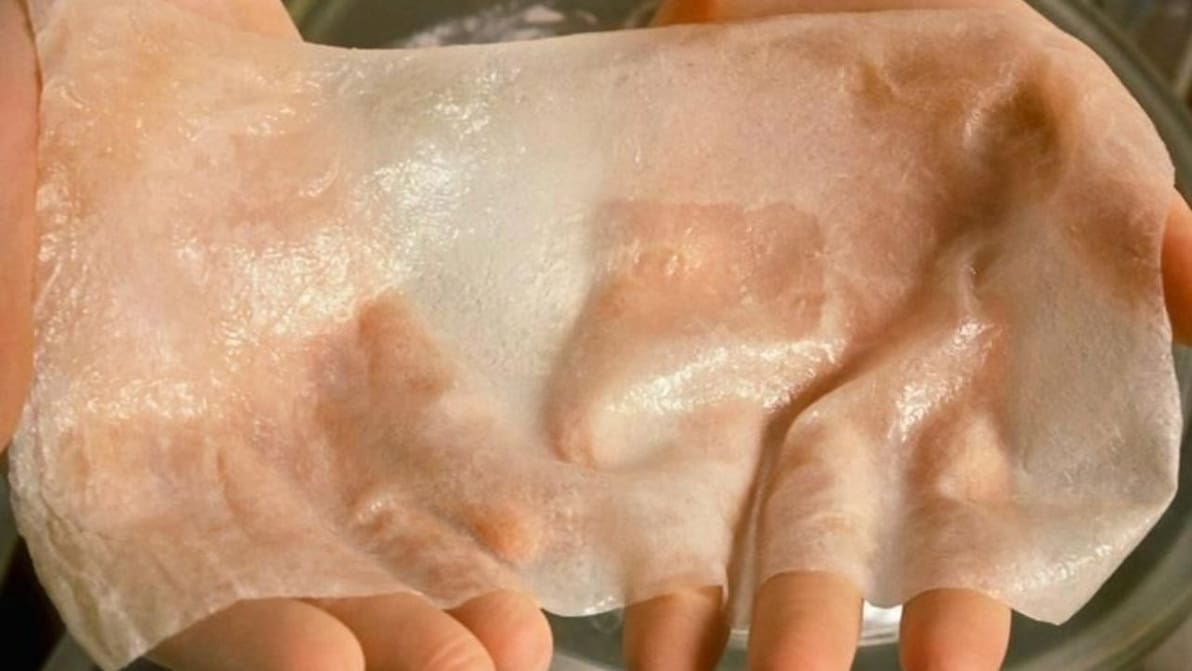
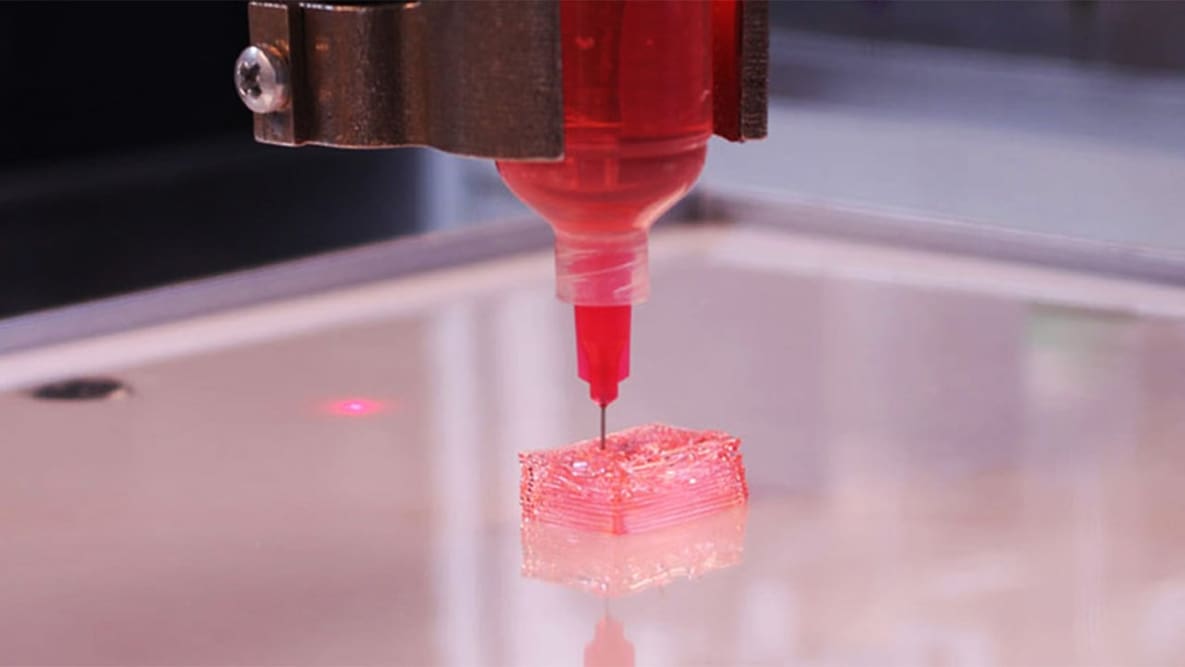
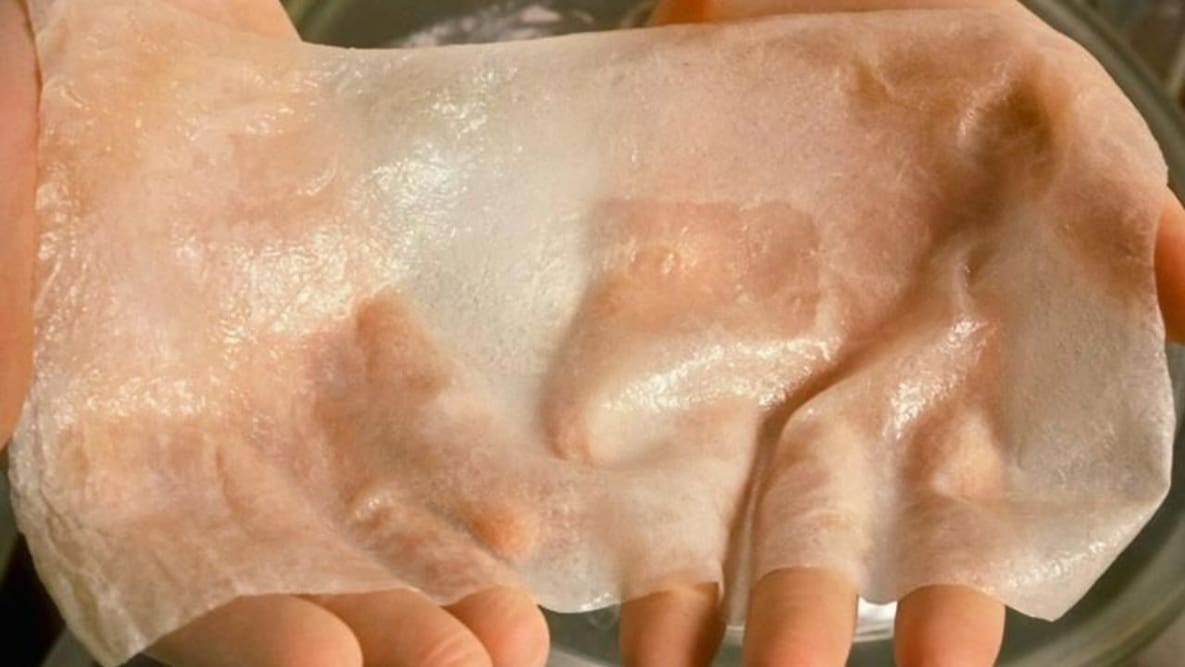
Bioprinting, although a very new field, has already produced many promising areas. Dive into 3D printing skin, one of the most practical projects in this sector.
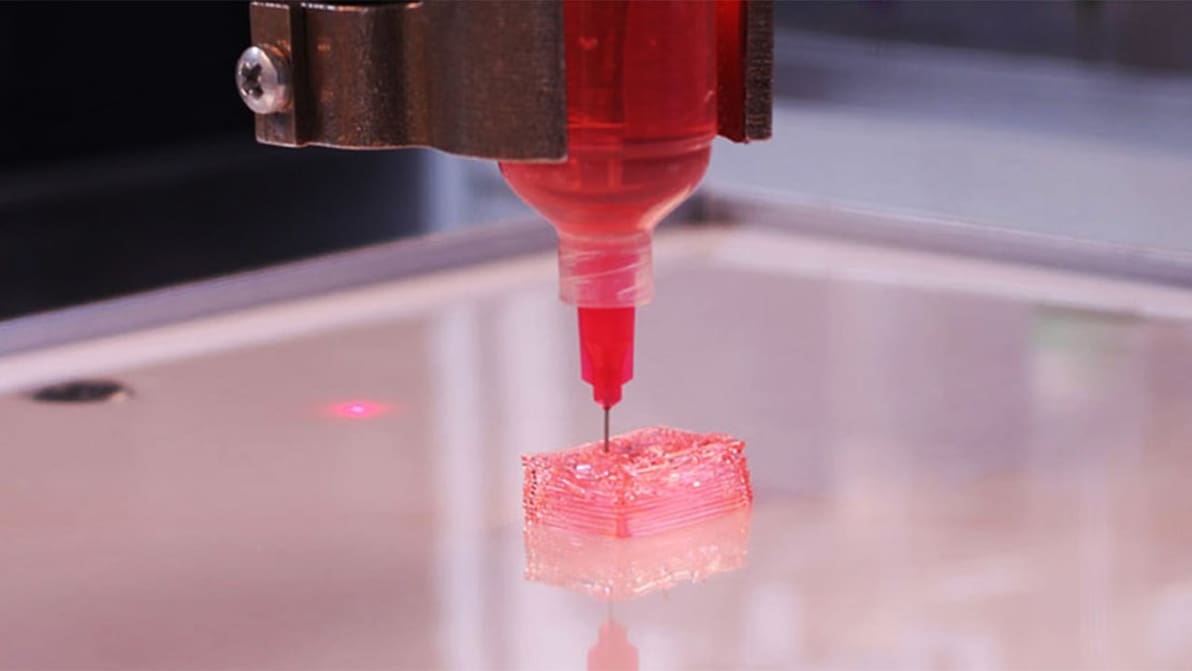
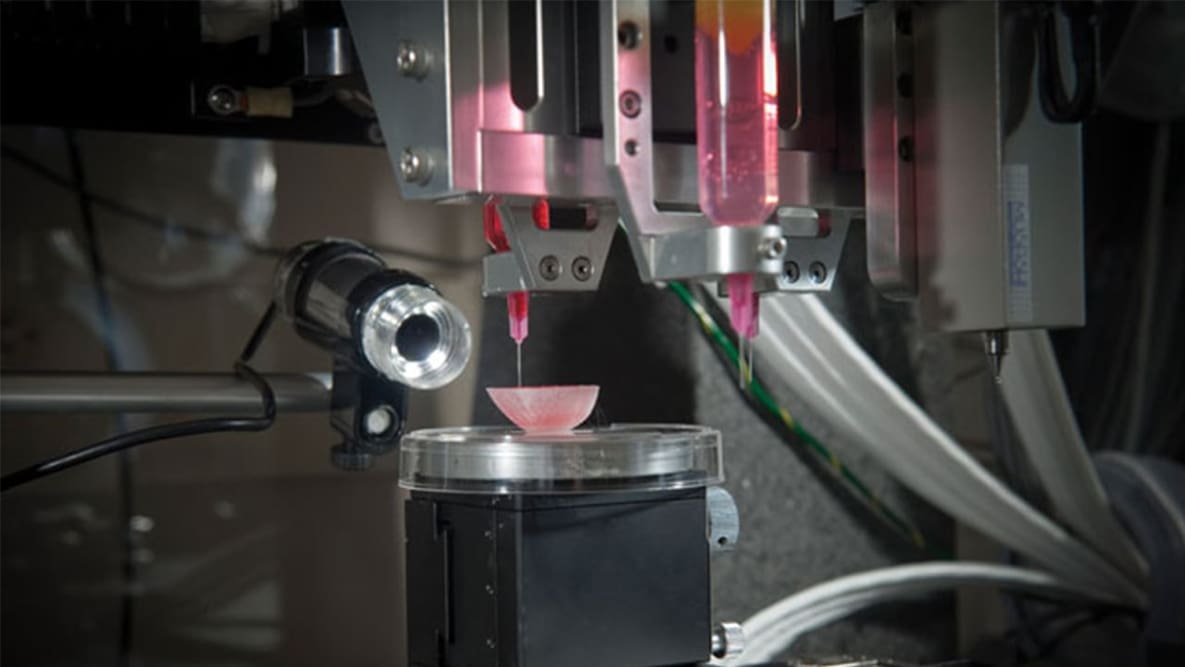
3D bioprinting has come a long way over the last decade. Find out the latest developments in 3D printed organs and body parts.
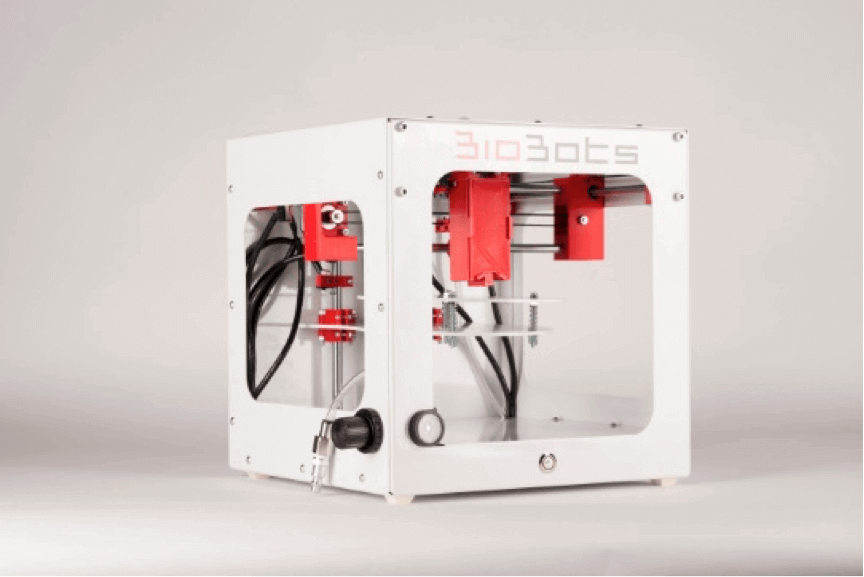
BioBots’ 3D printer uses special ink, biomaterials and living cells in order to build 3D living tissue and human limbs and organs.
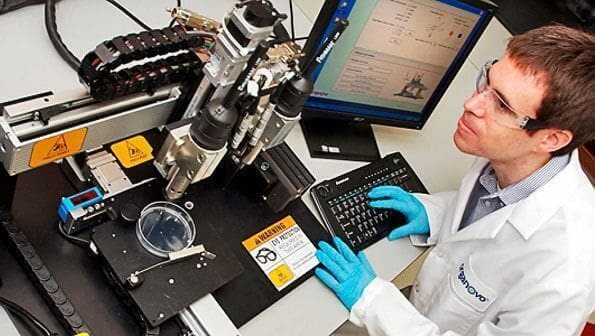
Is bioprinting more than a buzzword for tech enthusiasts and investors? Abd what’s the status on 3D printing organs? Here’s an overview on one of the most 'human' 3D printing use cases.
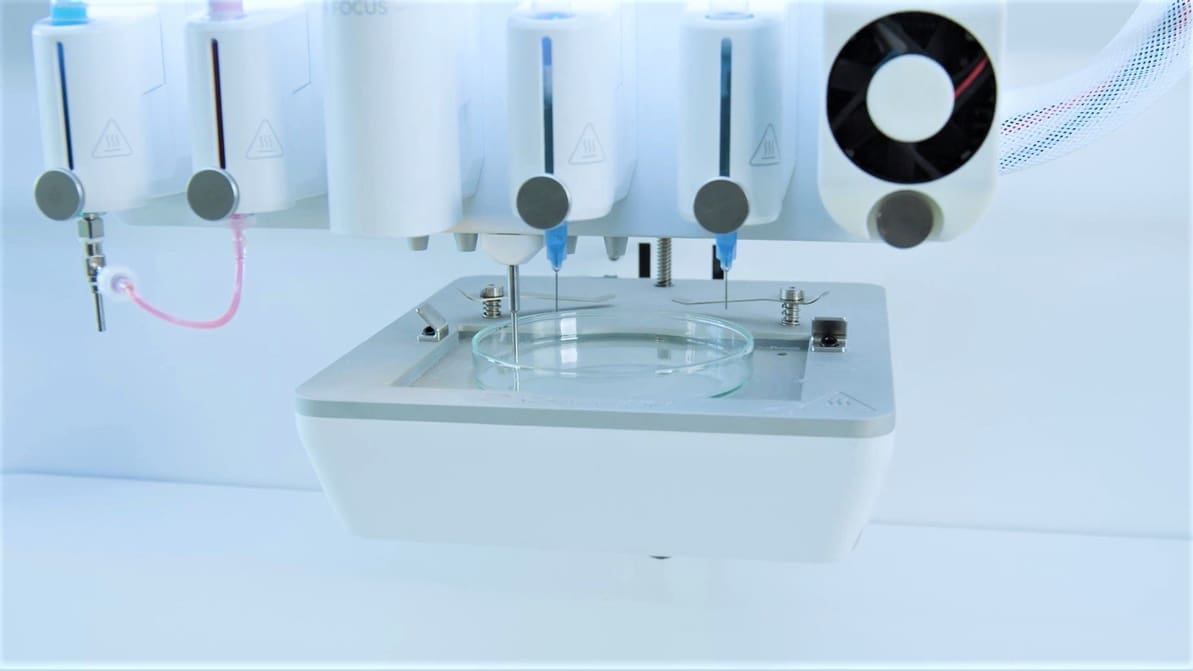
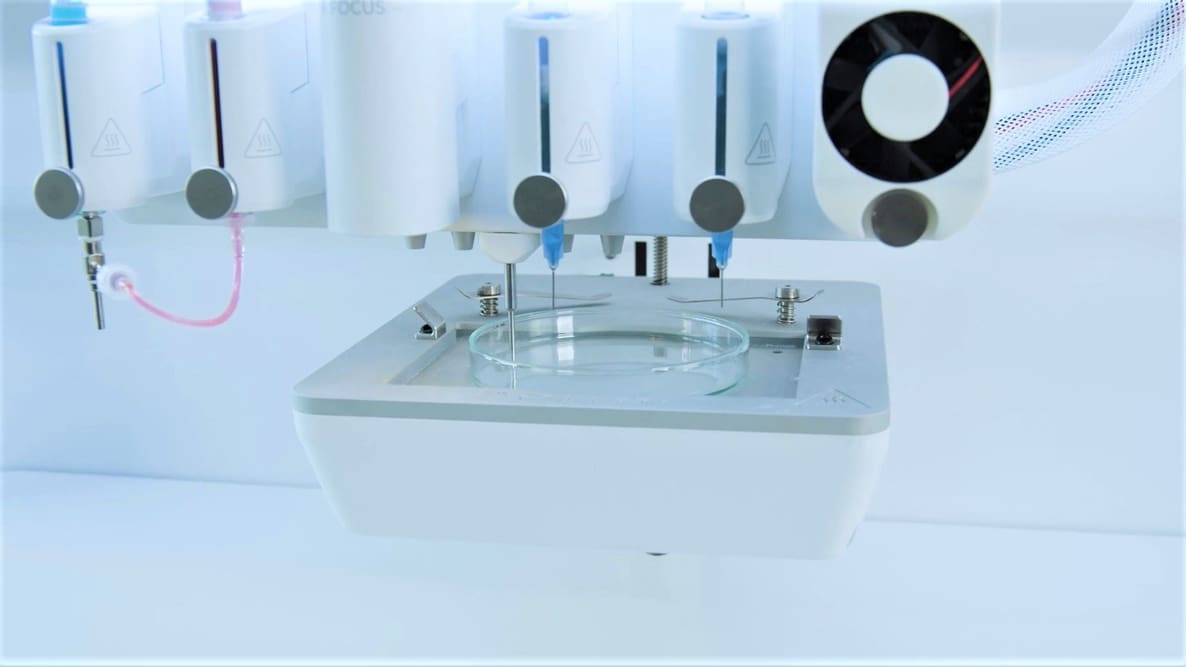
3D bioprinters have gained a great deal of traction in recent years. Find out more about the current market for bioprinting machines in this article.
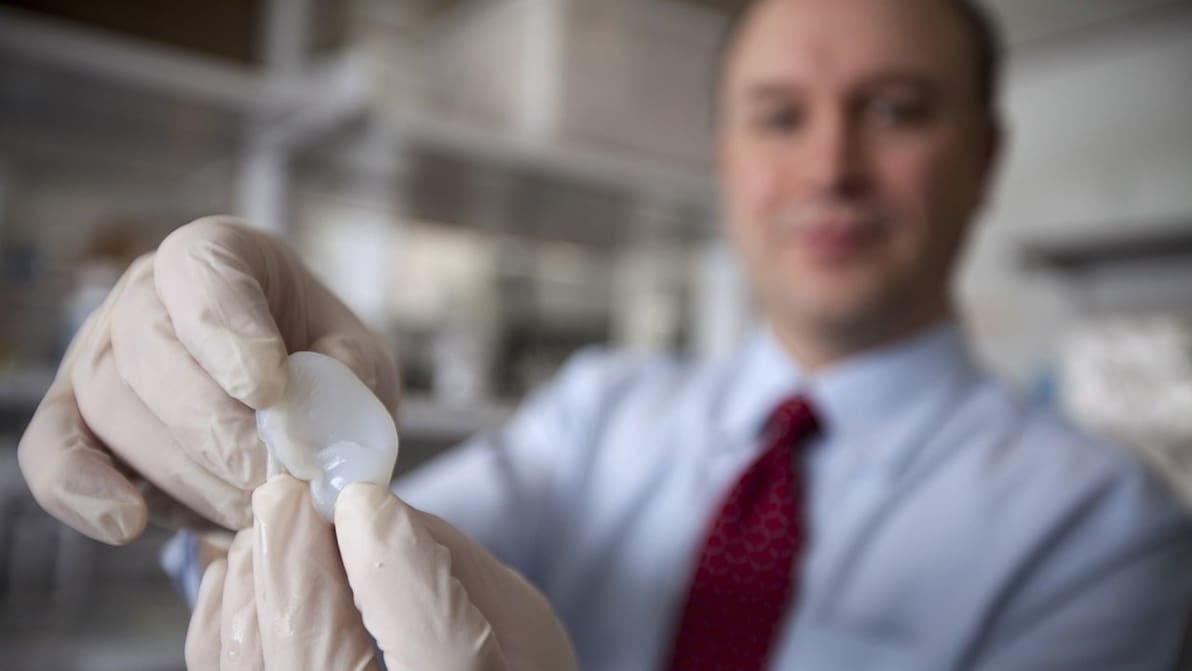
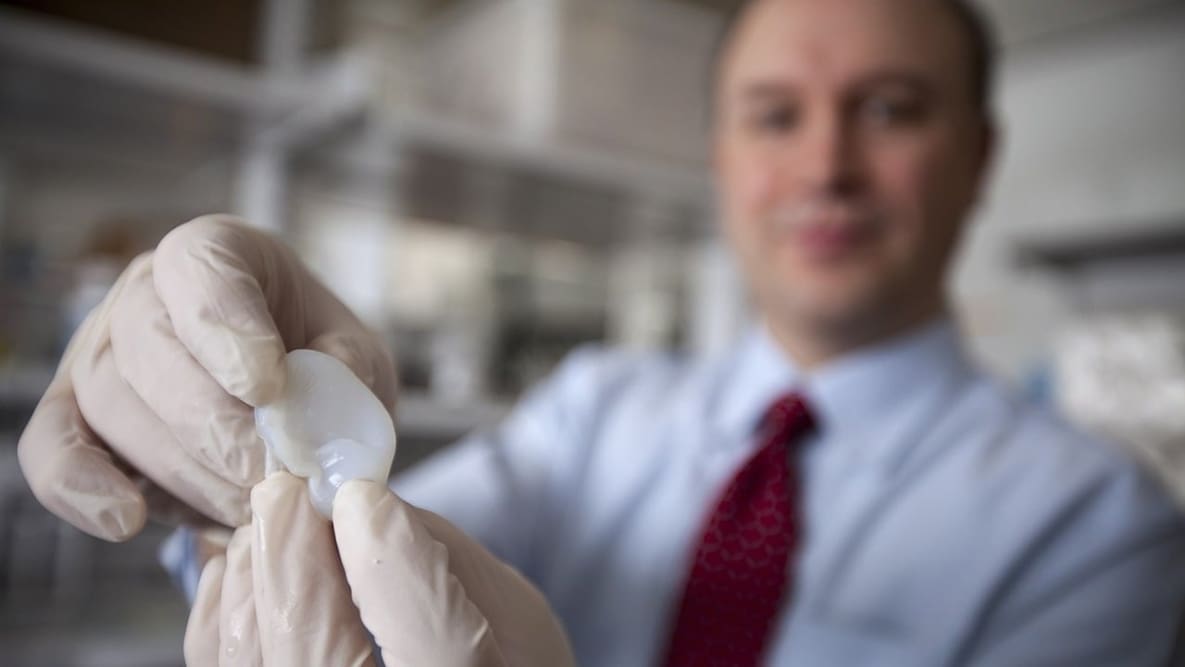
3D printing is giving hope and relief to those with damaged ears or hearing. Learn about some new and exciting advances in 3D printed ears!

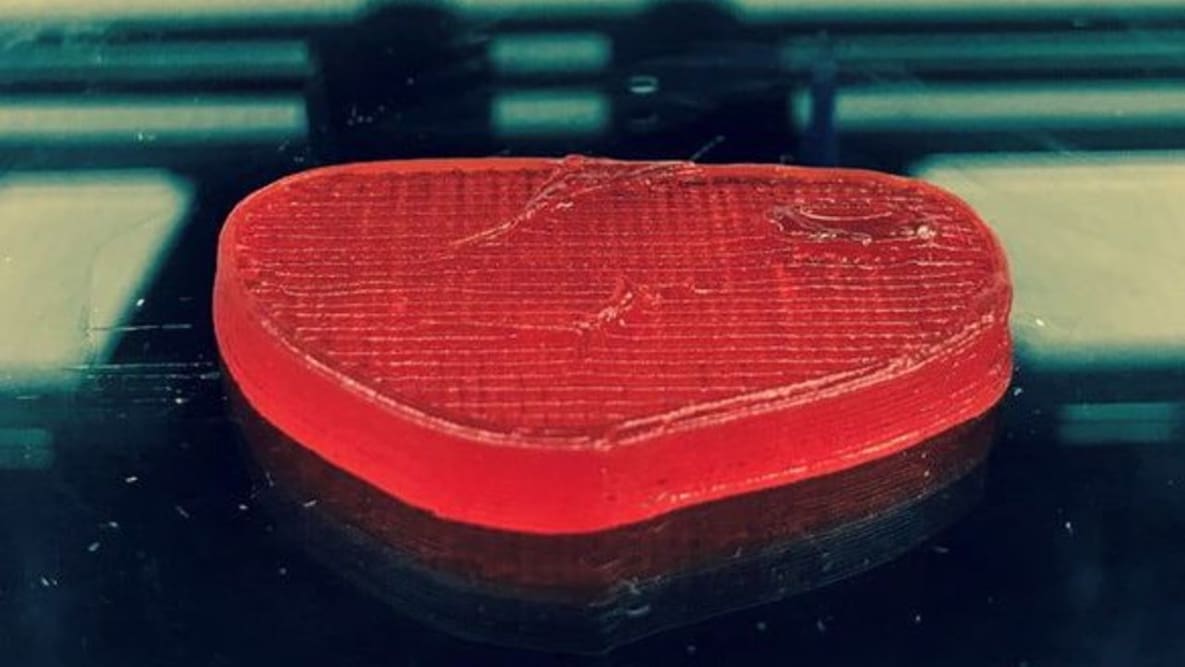
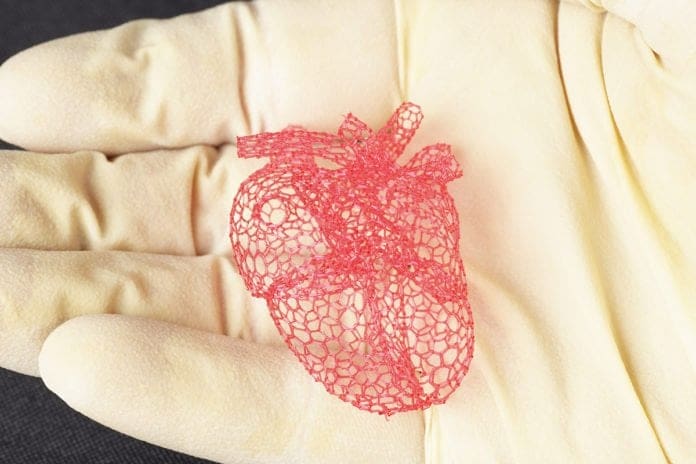
3D bioprinted organs, especially hearts, are slowly becoming a reality. Learn about the most promising 3D printed heart projects of 2020.
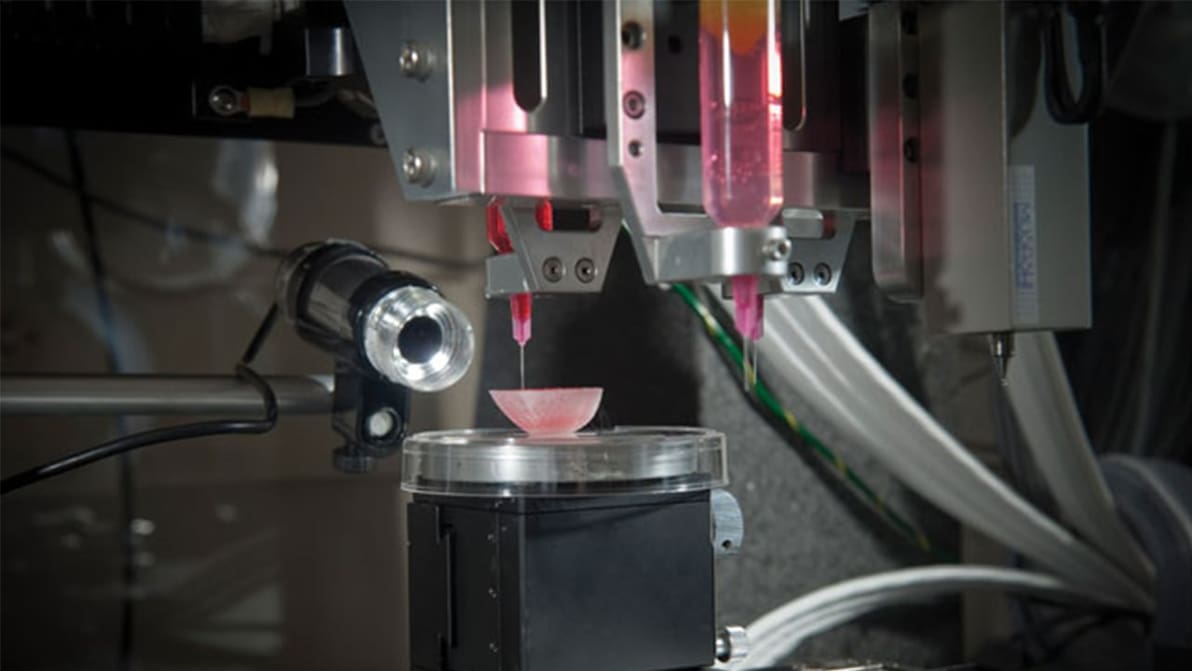
Producing a functional 3D printed kidney may not yet be a reality, but there are a number of promising projects. Read on as we cover some of the latest advancements in 3D printed kidney projects.
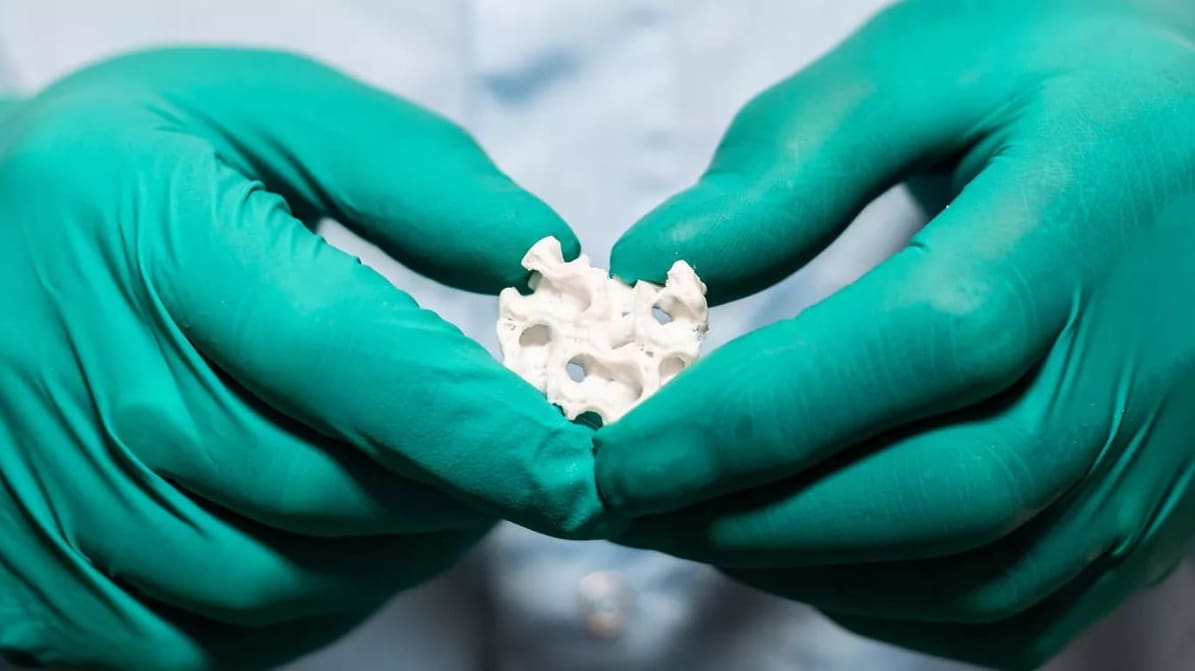
The European Space Agency is working on a project to 3D print living tissue for uses in space exploration. So far, it's used bio-printing to create bone and skin samples which could be recreated in a low-gravity environment.
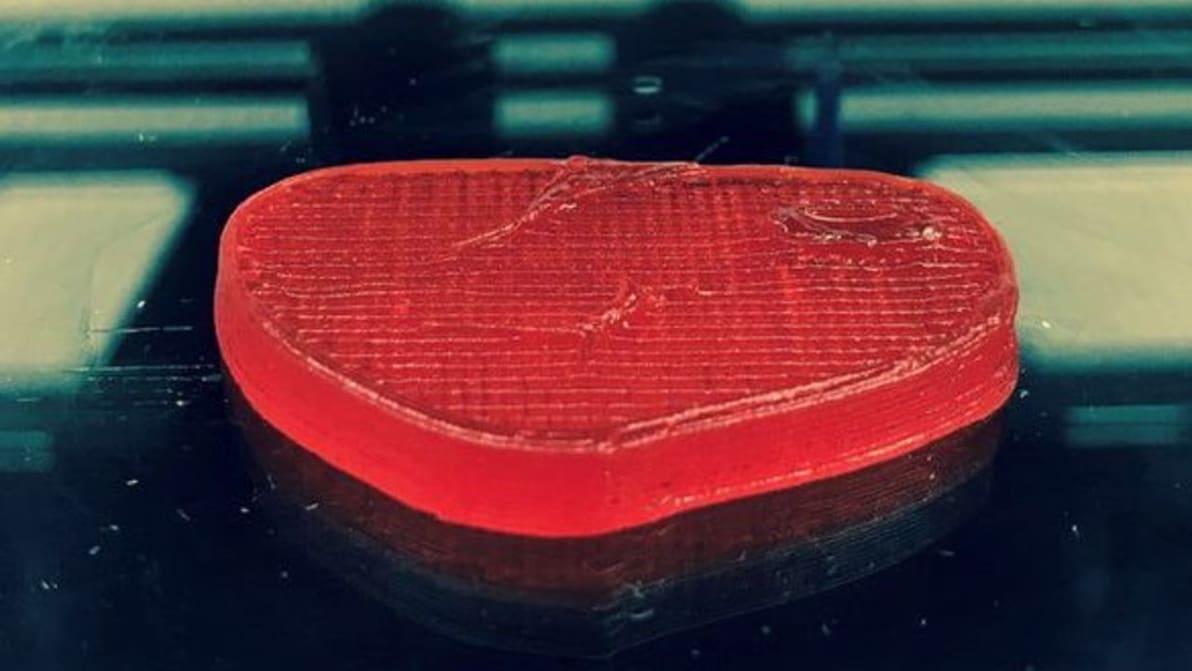
With the rise of culinary 3D printers, most of our favorite foods are printable. The steaks - or rather, the stakes - are high as the 3D printing industry races to perfect printed meat.
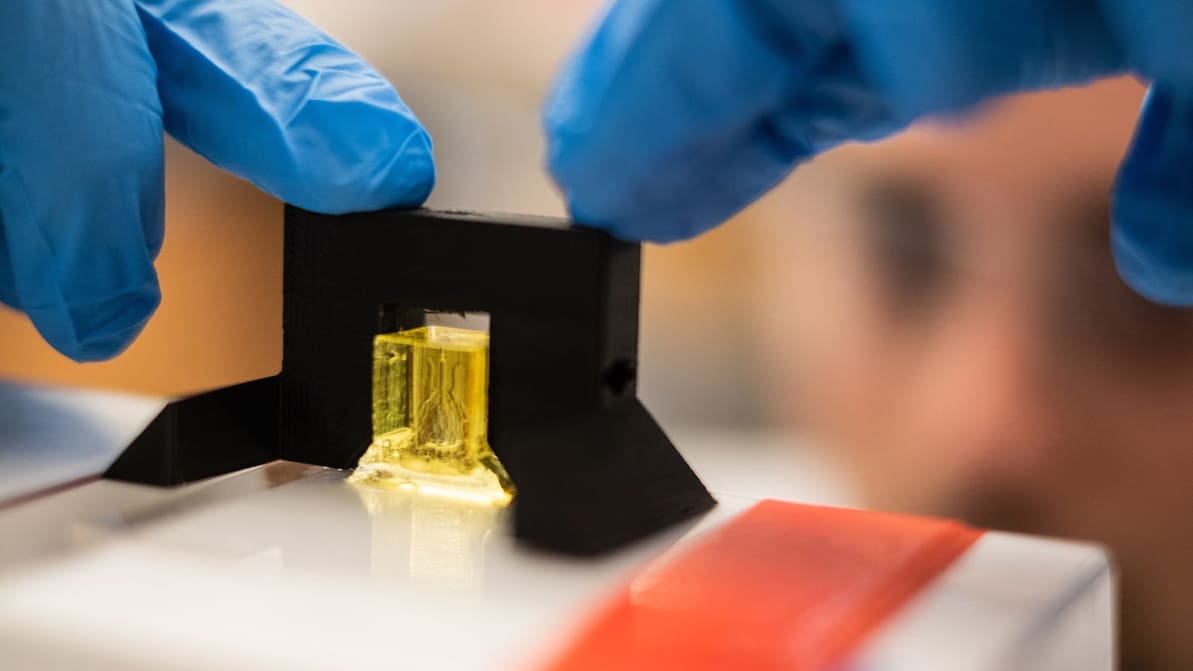
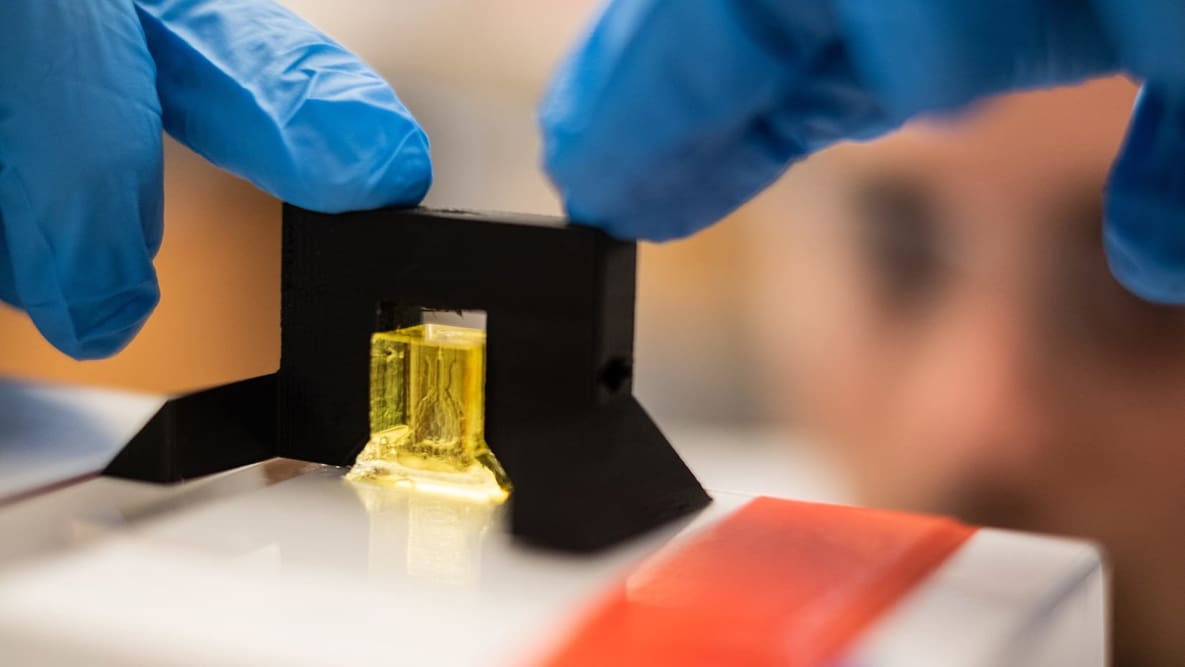
Scientists at Rice University developed a new technique for bioprinting tissues, bringing us one step closer to 3D printed organs.

Medical 3D printing is now an indispensable part of medicine. Let's have a look at the most intressting applications of 3D printing in medicine and healthcare.
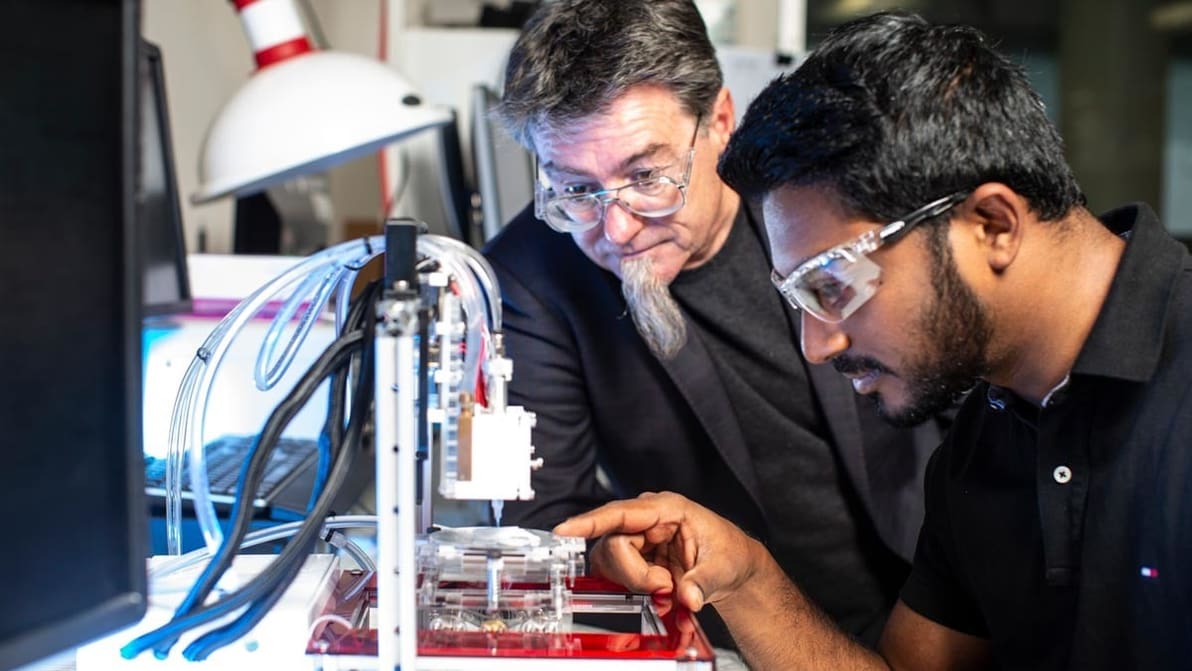
Researchers in Australia are working to find a treatment for the congenital deformity microtia by using a 3D bioprinter and specialized bio-ink.
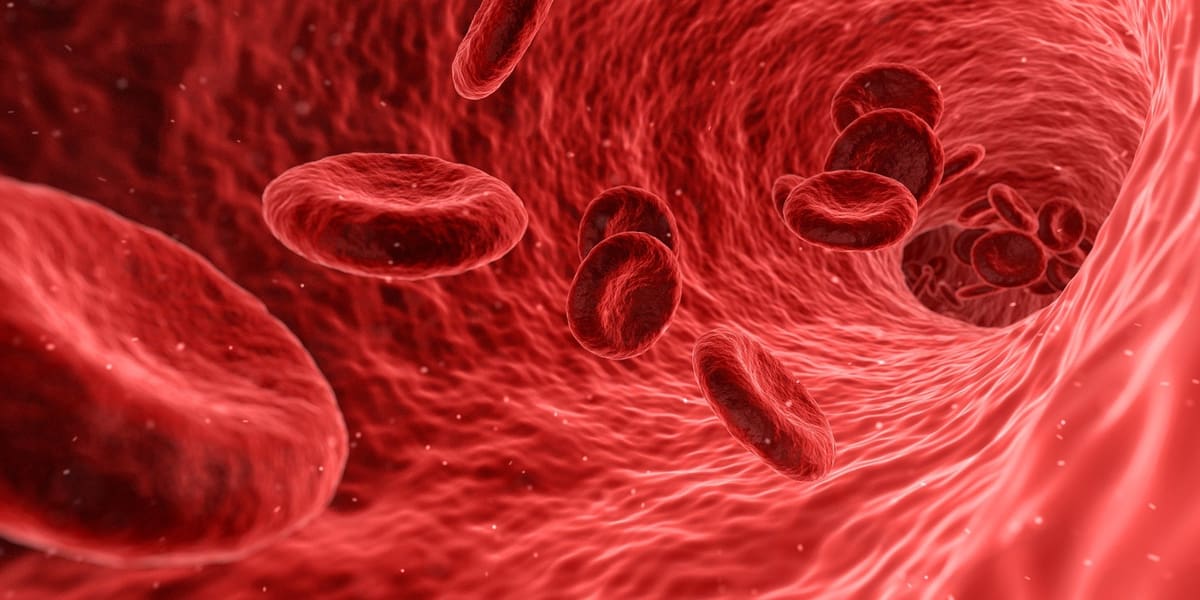
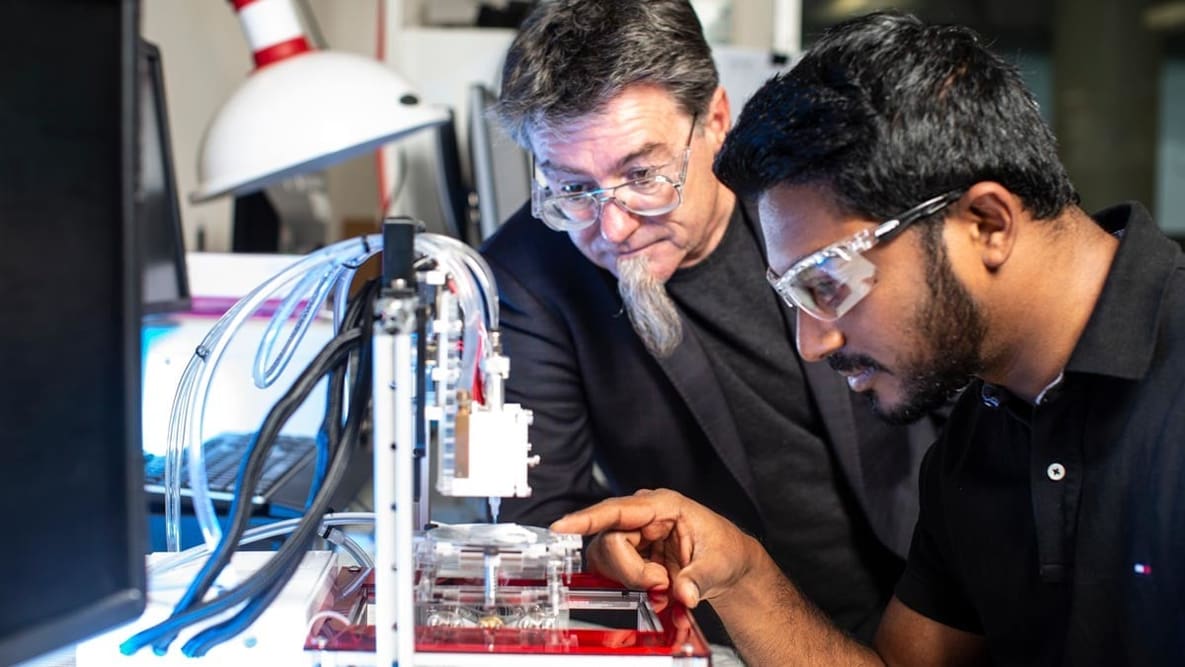
Researchers from the University of Colorado Boulder have developed a 3D bioprinting technique that enables local control over an object's firmness. It could one day be used to create patient-specific artificial vessels and organs.
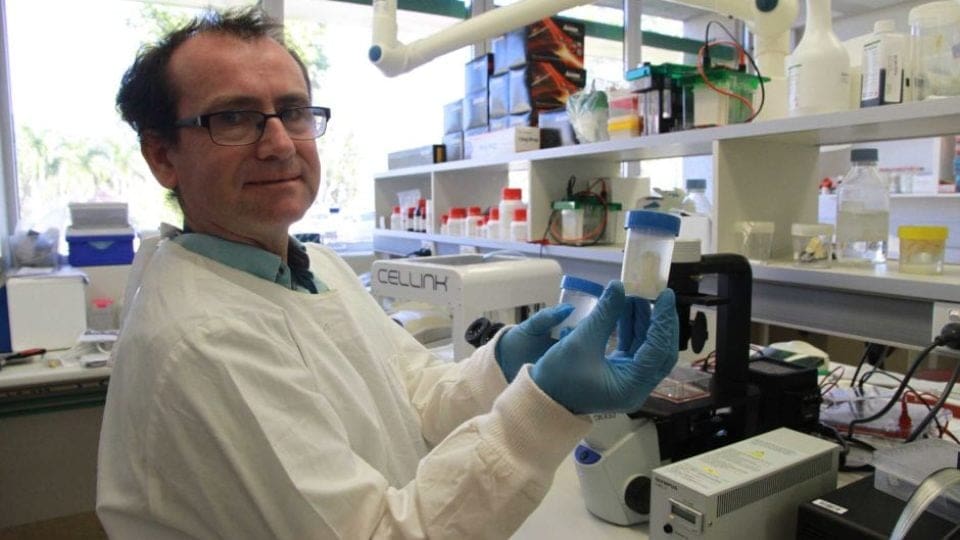
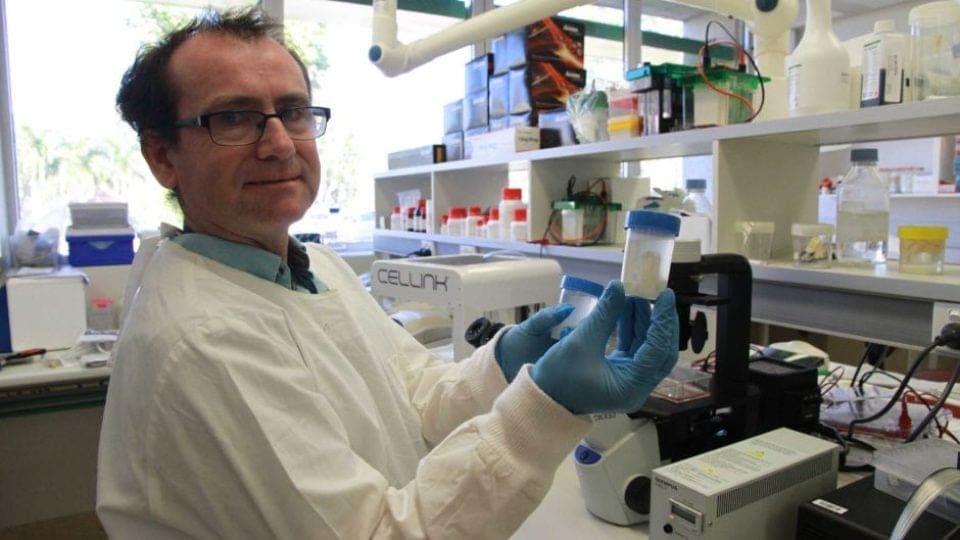
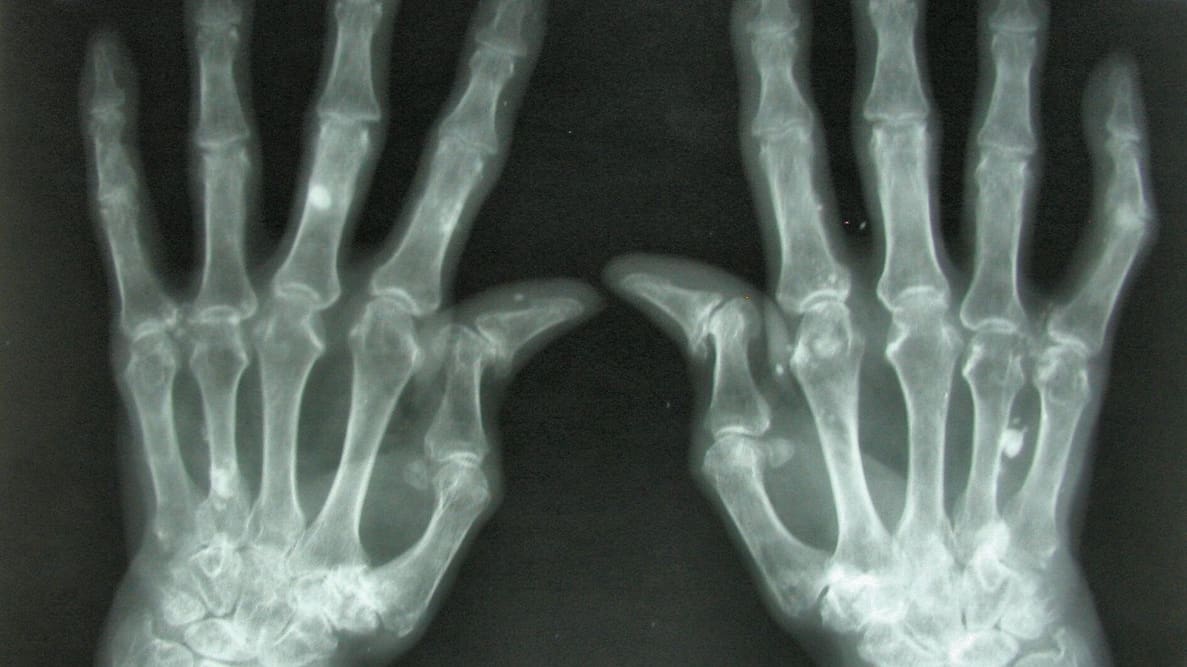
Australian researchers from Central Queensland University have discovered that by mixing crocodile cartilage with adult stem cells, they can bioprint cartilage explants to potentially help repair damaged human joints.

A free new study, published by German Bundesumweltamt, discusses the benefits and potential environmental and health challenges of 3D printing technologies.
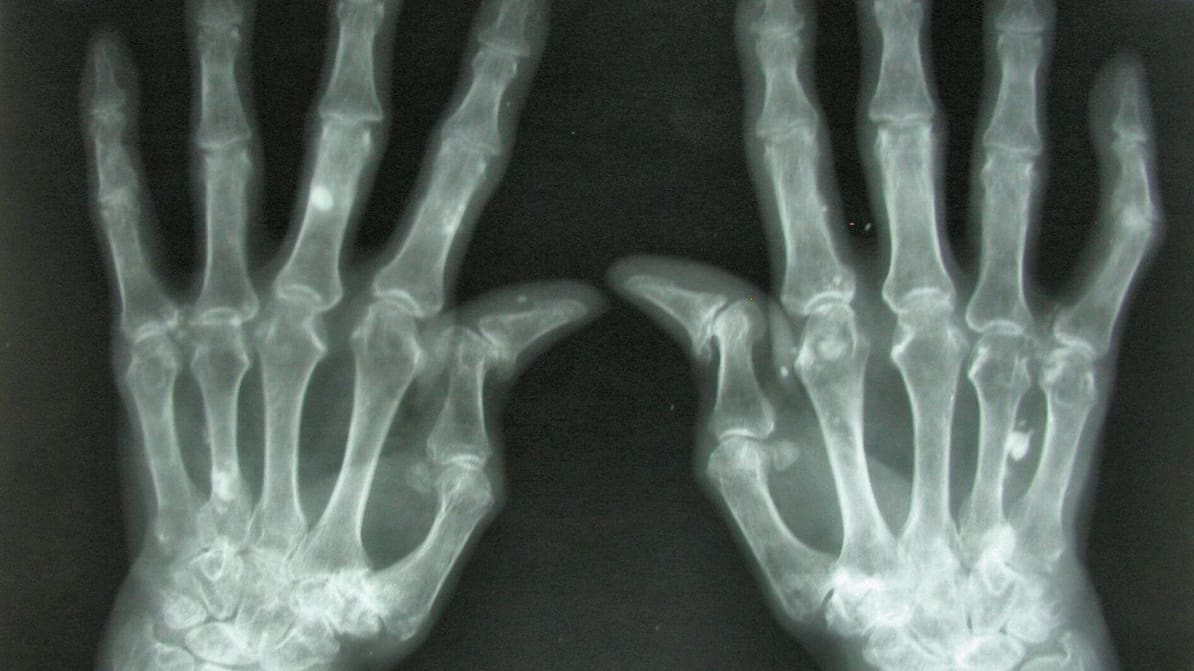
A team of researchers from the University Medical Centre Utrecht in the Netherlands have created a biofabrication method to create living tissues that replicate cartilage and could potentially be implanted to repair damaged joints.
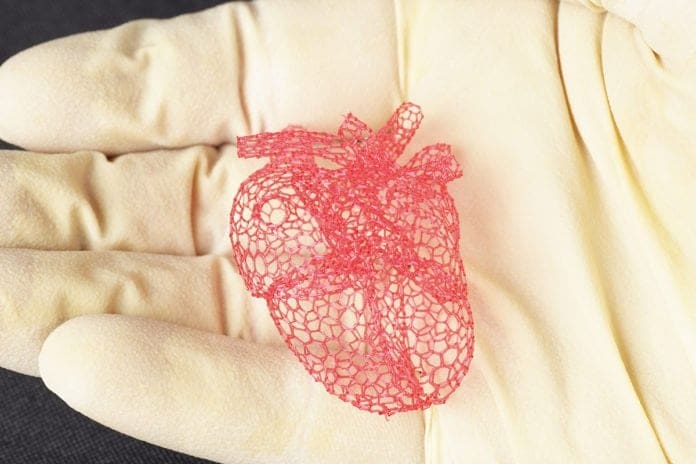
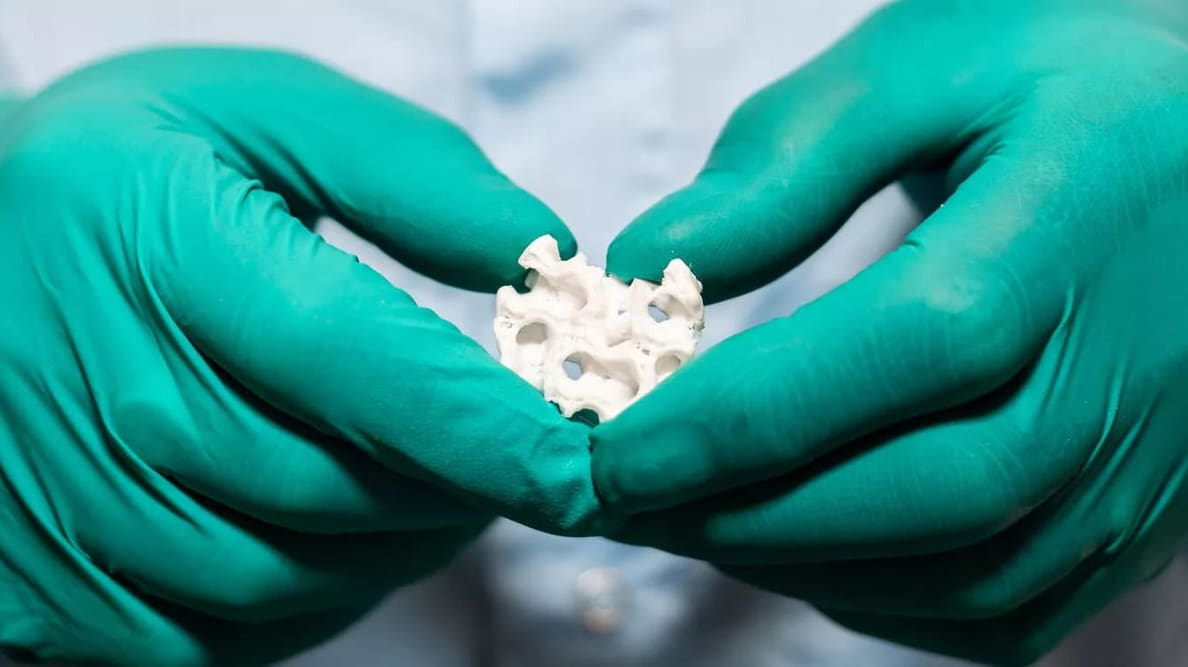
A team of engineers from the University of Illinois have developed a free-form isomalt 3D printing technology that produces intricate sugar-based scaffolding, which could potentially be used to grow tissue or study tumors.